
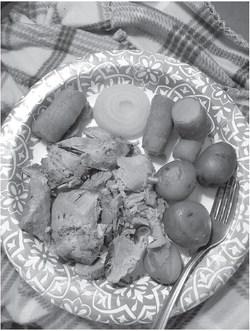
Like many outdoor folks, I love to transform the fruits of my hunting and fishing trips into tasty meals, at camp and back at home. Scheduling time to cook into a busy hunting or fishing trip can be tough. After all, hunting or fishing is the primary reason for the outing, right? Yes, but you and your buddies/family still have to eat! Why settle for a peanut butter and jelly sandwich when a tasty meal that everyone will remember can be easily prepared and, with a little forethought, allow you plenty of time to enjoy the primary reason you are outdoors: hunting and fishing!
Some of my favorite ‘camp’ meals require a couple hours to prepare. I learned a long time ago not to wait until after the evening hunt to begin these more time consuming meals. There’s always the option of preparing the meals at home, packing them in the ice cooler and heating them up at camp but, that’s just not ‘camp cooking’. I enjoy cooking at camp, over hardwoods coals, a camp stove or, if there is electricity handy, slow smoking meats overnight on my Smokin Tex electric smoker. I am about to divulge some of my favorite camp meals, but first I want to tell you about a meal and an outing that I will never forget.
It was the early nineties, and I was managing a 600acre hunting lease in northern Marion County. I had a little 15-foot “deer camp” camper nestled in the pines, and hunting was good. There were lots of deer and good numbers of wild hogs. I had a couple of days during the week away from work and decided to go down for a little solo hunt. It was November, and the air was crisp and leaves aglow in their fall colors. The whitetail rut was in full swing.
Before leaving home, I loaded a good size piece of venison backstrap from a doe I had previously harvested and a couple thick striper fillets in the cooler. At camp that afternoon, I built a little “cook fire”, heated a little butter in my old cast iron skillet, and added the thickly cut pieces of backstrap
and the striper fillets. The resulting meal was one that is still vivid in my mind. While the main course was “resting”, I diced a couple of potatoes and browned them with onion. What a meal! A good meal is easy to prepare on a hunting trip, but it does require a bit of planning.
CAMP FAJITASThrough the years, I’ve made fajitas at camp from everything from elk steak to wild turkey breast. Fajita meat is best if allowed to season a few hours or overnight. I usually cut the fajita meat into strips at home and season liberally with Fiesta Fajita seasoning. Place the strips into a Ziplock bag and place in the refrigerator. I usually slice bell pepper, onion, a jalapeno or two, and four or five garlic cloves at home and place in separate bag. At camp, heat a cast iron skillet or wok, cut up 5 strips of bacon and fry until crisp, add the meat, and cook until done, about 10 minutes. Add the veggies during the last couple minutes of cooking.
WILD PORK TENDERLOIN- I harvest several wild hogs during the course of a year and usually have plenty of pork in the freezer; domestic pork may be substituted. Begin by trimming the tenderloins well, then make a vertical slice right down the center of each loin, about half-way through. Season with sea salt and fresh ground pepper. Place a couple of slices of quality, thickly sliced smoked bacon in the slit of each tenderloin. Grill or smoke until well done. Then, pour a liberal amount of Roasted Raspberry jelly over the loins. The jelly gives the meat an excellent sweet flavor and should be spooned onto the loins during the last minute or so of cooking. If you prefer, instead of cooking the loins whole, slice them into threequarters inch loin chops and baste with the jelly. I’ve served this dish many times, and it’s always well received at camp and home.
SMOKED PORK OR VENISON HAM OR SHOULDER- I use my Smokin Tex electric smoker often and pack it along on camping trips where electricity is available. I’ve found that whole hams from wild hogs or venison make a wonderful camp meal but require overnight cooking. Begin by rubbing the large cuts of meat liberally with your favorite dry seasoning. I then inject BBQ sauce into the hams, place them on a couple layers of heavy duty aluminum foil and place in the Smokin Tex with about 4 ounces of pecan or hickory wood. Allow the heavy smoke to permeate the meat for a couple hours, then add more BBQ sauce, and cover with bay leaves, wrap tightly in the aluminum foil, set the thermometer at 200 degrees and allow to slow cook overnight. No need to check the hams until morning and cooking time can be anywhere from 12 to 18 hours. The even temperature will make the BBQ ‘fall off the bone’ tender. MAKE SOME HAMChances are pretty good that many of you have some wild pork in the freezer from recent hunts. If not, watch the grocery store sales and buy some pork shoulder. Turning just about any cut of pork into tasty ham is easy to do. For about five dollars, you can buy enough sugar cure from Butcher Packer Supply to cure way more ham that you will be making. Make sure and use sugar cure; some of the other cures are way too salty for my taste. Simply rub the cure all over the ham, let it “cure” in the fridge for 6 or 7 days, and slow smoke the pieces with your favorite hardwood or fruitwood. I cut the pieces in about 2 pound chunks, no more than 1.5 inches thick, which allows the meat to cure in a week or so. I usually add a good amount of dark brown sugar during the process. Once the pieces are smoked a couple hours at 140-150 degrees, I put them in a freezer bag and allow them to “mellow” in the fridge another week or so. Whether this is necessary or not, I have yet to decide. I often fry some right out of the smoker and have found the flavor to be excellent.
Email outdoors writer Luke Clayton through his website www.catfishradio. org.
- Log in or Subscribe to post comments.