
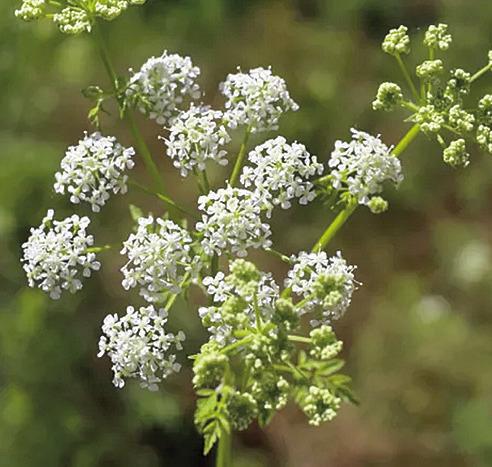
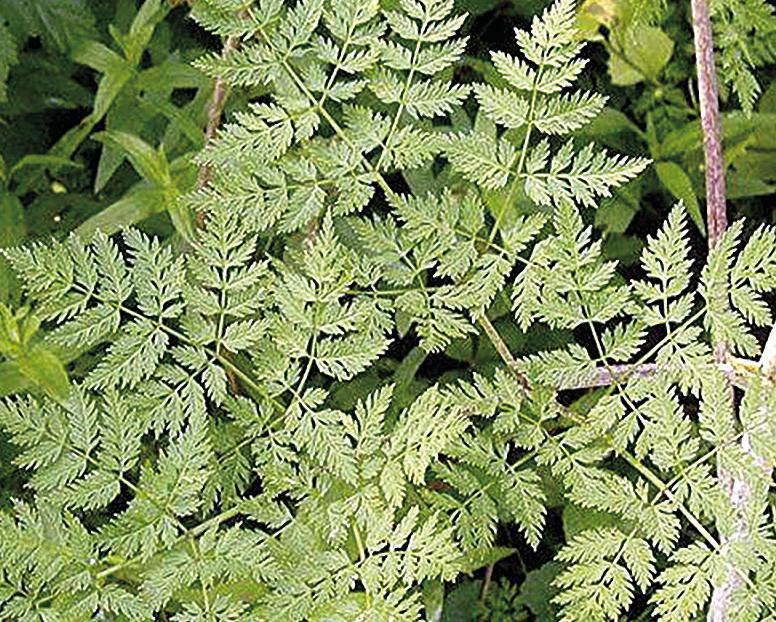
Supposedly, Conium Maculatum—Wild Hemlock— killed Socrates, famous Greek philosopher. And this plant, resembling the carrot family and native to Eurasia, has been recently found in Texas, as close by as Lancaster, where a woman thought she was pulling common weeds but was, instead, grappling with poison hemlock, according to a doctor.
This is something about which to be concerned, because this poisonous plant looks like some other harmless plants, and some folks put stems of plants into their mouths during the outdoor warmer months or gather the foliage for decorations.
Loss of speech, trembling, paralysis of muscles, and even death from respiratory paralysis can occur; however, major and fatal problems are not too common, because a person would have to eat/swallow quite a large amount!
One big problem, though, is that merely touching the plant can bring about irritation, redness, and dermatitis— even the type of dermatitis that worsens and invades the bloodstream.
War ning: If you are doing yard work or light farming involving various plants you have not planted, watch out for the feeling of “splinters” invading your skin or a feeling of being severely sunburned, because you might have accidentally brushed against or tried to remove poison hemlock, which can bring about burning skin, swelling of the tongue, slurring speech, confusion, shakiness, and dizziness.
The plant, which is poisonous and releases toxins, may look like a very tall, white wildflower that sprouts around roadways and even in some yards of the more natural type.
Why this poisonous plant in the 1800s was brought to America and surrounding areas and where it was first brought is not known. It may have been strictly ornamental, or it may have had sinister purposes! In extreme cases, it can kill livestock and even humans. Whatever the case, it has become naturalized in nearly every state!
According to one report, water hemlock of the poisonous type was discovered in the area of White Rock Lake in Dallas.
Avoiding the plant is the best way of not becoming “infected,” so, leave it hidden if you find it, or have it professionally removed, or just leave it alone if it is not bothering anyone or any animals that might be accidentally harmed! Every part of the plant is poisonous!
If you just “have to” remove it or move it or destroy it, wear gloves and clothing that protect your whole body and use proper tools. The plant has triangle-shaped leaves, with streaks of purple up and down the light-green stems, and white clusters of blossoms. It is often mistaken for Queen Anne’s Lace.
One last note: There is NO CURE for hemlock poisoning, only the cleansing of its toxins from the systems of any infected humans or animals. Do not waste time!
- Log in or Subscribe to post comments.