
In 2018, a lone gunman opened fire inside the walls of Marjory Stoneman Douglas High School in Parkland, Florida, killing 17 people and injuring at least that many more. Two weeks later, the surviving students returned to campus. It was February, after all, and the school year show must go on. While I recall story after story about the tragedy, I don’t remember any news personality explaining that those kids would have to walk through those doors again. Thinking about it now, I cannot explain why I thought they wouldn’t have to return to school. It just never occurred to me that going back to places of trauma would be expected of anyone. Yet, it is. The people who survived the 9/11 attacks are routinely expected to attend recognition services at the various sites where their lives were in peril. Survivors of Pearl Harbor have been recognized in programs held at Pearl Harbor. Is this healthy, this returning to trauma site mentality? Experts are divided. Dr. Thema Bryant-Davis with Pepperdine’s psychology department says that it is natural not to want to return to locations where bad things happened. “People avoid other people, places, or things that remind them of trauma, which is a result of feeling powerlessness, hopelessness, and terror.” But, avoidance isn’t always healthy long term, especially when the place is part of our normal routine. Refusal to reenter can inhibit a survivor of trauma from leading a full life. I never saw myself in this category, yet I recently conquered a fear I didn’t even realize I held.
All hospital intensive care units have that one room. It is windowless. It is tucked deep within the floor so that no one can accidentally walk into the room and interrupt a heart-breaking conversation. It’s the room they take you to when they need to tell you something really horrific. I have seen the inside of that room. In 2008, my husband and I were ushered into such a room at a Dallas hospital. While a social worker ran to different sections of the hospital rounding up the remaining immediate family members, I sat there, unassuming. I hadn’t slept, eaten, or walked outside of the 5th floor PICU waiting room in 4 days. I blame my naivety or my ignorance or whatever it was on those facts. I recall the doctor sent into the room to speak with us was unfamiliar to me. I recall he was difficult to understand. He whispered. I kept asking him to repeat his words. Afterward, years later, I decided he was probably voted “Best Deliverer of Bad News” by his peers. Or, maybe he was just the only person willing to take on the task of telling me my daughter had died. When that declaration left his whispering lips, the floor moved. The lights flickered. Bile backed up in my throat. My tears created tiny rainbow prisms out of the dust motes in the little room. There were awful, guttural noises. I think they came from me, though I cannot be sure. Soon, I would leave that hospital. Instead of taking my daughter home, I took home a box containing her reddish-brown braided ponytail and a set of her handprints. Four weeks later, after finding a lump in my breast and needing my OB/GYN to help me navigate the waters of a scary new world, I realized I would have to return to that very hospital: same entrance, similar parking garage, exact rotunda. Guess what I did. I found myself a new doctor. I didn’t know what life held, but I knew I would never go back there. A few weeks ago, someone dear to me wound up in that very hospital, one floor above my trauma moment from all those years ago. Rather than go and visit my sweet person, I made excuses. They hadn’t returned my text. They had all sorts of support from others. Their condition was looking better and better. No need to go, right? Except, that’s not who I want to be. I’m not a scared rabbit anymore. I don’t hide underneath my bed anymore. I’m a survivor. I’m a person who lobbied for better sports physicals so unknown congenital heart defects stood a higher chance of detection. I’m a mom who told all the other moms to make sure their kiddos got blood pressure readings in both arms, legs if possible. I am a hard thing doer. So, I pushed the nightmare down into the abyss and went back to that place.
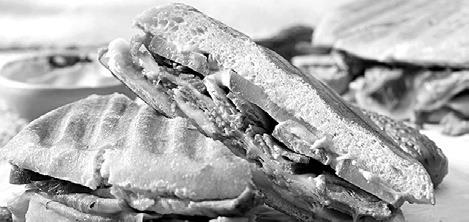
In 2008, there was a panini press in the bottom floor delicatessen of the children’s hospital building where my daughter passed away four days after an unsuccessful open-heart surgery. My son’s best friend, who never left our side during our waiting room camping fiasco, ate at least one panini a day. It became a high point of our dismal stay. Nothing bad could happen if Kenneth is eating paninis, right? I’m happy to say that in 2022, there is still a delicatessen on the bottom floor. I paused to look at the menu. Paninis live on. The entire lobby looks the same. My knees locked up a bit as we approached the elevators. I had not spoken to my husband about the significance of the moment. I was afraid he would coddle me, and I would lose my momentum. Inside the elevator, I see the 5 button, but that’s not where we’re headed. We zipped to a higher floor and had a lovely visit with our dear person, who is now home and doing amazingly well, FYI. Later, we stopped to eat Mexican food. My husband ordered me a margarita. “You did good,” he said. A single tear slid down my cheek as I thought about the power a place can hold over someone. I don’t have all the answers. But, the demons weren’t in that hospital. They were hiding in the recesses of my brain’s own windowless room, whispering at me like a doctor with bad news.
- Log in or Subscribe to post comments.