
Our understanding of culture could be best described with the old Virginia Slims slogan. We’ve come a long way, baby. Yet, periodically throughout each of these last several years, I’ve noticed a trend in American vernacular. We love to speak cooler, hipper, and more urban than at any other point in recent times. I am guilty of this action, both in my writing and in my life overall. Maybe it’s the global takeover of social media in our lives. Maybe it’s the inundation of these terms in advertising. Maybe it’s our obsession with staying young, thus speaking young. It infuriates many people, especially when perceived to cross the thin line from recognition to emulation to cultural appropriation. I’ve been working on this idea of a column for some time, combing through a variety of publications that voice opinions on thematter.Fromwebsiteslike oprahdaily.com, sproutsocial. com, babble.com, and Illinois State University’s publication of Rachel Lang’s “Who Said it First: Linguistic Appropriation of Slang Terms within the Popular Lexicon” (2021), I hope to cover a wide range of examples and opinions on the matter. In the end, it may not be that we do or don’t use the phrases. It may center on intent. Worst case scenario, we’ll know where our favorite sayings originate. As with anything in this world, what you do with knowledge rests on you. Today, I will be playing the role of both the judge and the devil’s advocate. Let’s go!
When my daughter was in kindergarten, as Halloween approached and plans for the party at Forney Primary School took shape, I began to sew my heart out on a costume fit for a princess, a Disney princess, that is. She was Pocahontas. She knew every word to Colors of the Wind. That was 1996. I’m not sure, in this age, I would choose that costume. It is only now, with access to Instagram and YouTube, that I see the ageold lessons from Buffy Sainte-Marie and the modern-day lessons from Shina Nova. I have learned that seeing their culture labeled as “Tomahawk Hottie” on a shelf in a Halloween costume store doesn’t feel very good at all, especially when the homicide rate of an indigenous woman is seven times higher than my own. The African American culture is never happy when Kim Kardashian sports braids. They weren’t too jazzed over Justin Beiber’s, either. But, everyone accepts Bo Derek’s hairstyle in the movie “10” was just a crazy 70s moment. Are those things different? Before we dissect further, let’s hit that nail on the head. The website oprahdaily.com defines appropriation as when those in power take from the culture of the oppressed. It cannot work the other way around.
African American Vernacular English (AAVE) has long been a source of borrowing for ad campaigns. The origin of AAVE, however, can be traced back to African American slaves learning English from indentured servants they worked alongside, that learned dialect morphing into a speech pattern. That origin is HOTLY debated within the Creole culture who say it’s pure West African speech mixed with standard English. They call it Creolization, defined as a common means to communicate by mixing languages together to make a single, understandable language. AAVE has long been dismissed by scholars, perceived as lazy, broken, and undesirable. Interesting, since slavery was a broken and undesirable institution perpetuated by landowners who were too lazy to work or pay for work on their own land. Oops. The use of AAVE came into its own as the hip hop and rap cultures exploded in the late 70s and 80s. Suddenly, it was cool for tenses to disagree with each other. What were these amazing new words in these songs? Music was on the cusp of a revolution and we, of all skin colors and cultures, were entranced with the beat, the dance, the words, and the style. Sounds like cultural appreciation to me. So, where’s the harm in that, you say?
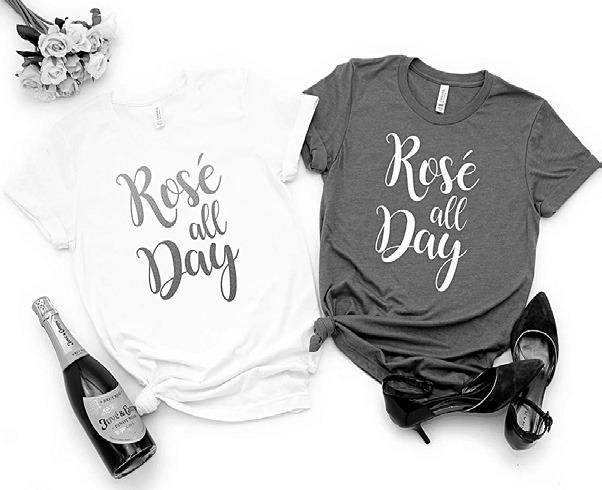
The sproutsocial website points the finger at our use of the African American LGBTQ+ terms in modern day speech. Case in point, I use the word zhuzh all the time. Hair looking a little flat one morning? Let me zhuzh it up. Company coming and the living room is sadly lacking in pizazz? Let me add these fancy pillows and intricate throw blankets, you know, for zhuzh factor. It means to make something more stylish, lively, or attractive. But, zhuzh was coined by drag queen Jasmine Masters on RuPaul’s television show Drag Race. Transgender murders are on the rise almost to the rate of indigenous women. So, yes, I am certainly taking from the culture of the oppressed when I zhuzh things. And, I zhuzh a lot. Other words and phrases taken from the gay community and the black trans community include, but are not limited to: yaaasss, yaaasss girl, shade, throw shade, twerk, werk, werk it, bae, sassy b-word, rose’ all day, spill the tea, squad, slay all day momma, and slay queen.
Comedian/actress/television host/producer/screenwriter Iliza Shlesinger says it best in her recent Netflix special. In fact, her Instagram reel created my initial obsession with this topic. She refers to this word style as “glitter speak.” She says we are so accustomed to seeing it that we may not understand what corporate greed is doing. It’s on mugs, cards, mouse pads, t-shirts, baby onesies, water bottles, inspirational signs, and empowerment totes. She ends the reel rant by saying, “They stole this language from black/gay/ trans /drag queens and use it to sell you pencil bags.” Words are beautiful things. Arranged a certain way, they can invoke joy, rage, hope, and even love. In the words of Don Adams in the 70s TV show Get Smart, “If he only used his powers for good and not evil.” So, I will leave you with this thought. Say what you need to say, respectfully and with kindness, with the best words you have to use, only for good.
- Log in or Subscribe to post comments.