

Back in the early 90s, there was this phenomenon known as the infomercial. We’d never heard of the internet. The Oregon Trail had yet to be invented. Cell phones came in huge satchels that looked like briefcases, which made them problematic for people who carried briefcases, since why would one carry 2 briefcases? There were no influencers, because there was no real way to globally influence. Pagers were all the rage. So, how could we inform the masses that there was new stuff to buy? There were two basic ways. You could pay for an ad at the back of your favorite magazine (mine was Victoria because I would rather pretend to be a fine, distinguished lady than come to terms with 3 kids under 4 and a wardrobe made from puffy paint sweatshirts where you couldn’t tell what was paint and what was baby spit up) or you could pay for a 2 am television spot to sell your wares. And, that is how, one night way after the Knot’s Landing reruns had ended, I would up nursing a baby and meeting makeup artist Victoria Jackson in an infomercial about her too special to be sold in stores makeup line. All hail the birth of the MLM age. Guess what? I ordered the makeup. 6-8 weeks after they processed the paper check I mailed them, I received a faux tortoiseshell case of, what turned out to be, some really good makeup. Since that experience, I’ve chased that good MLM dragon for over 30 years, never having that pleasant interaction again, until recently. Abandoning my bad experiences with multi-line marketing tragedies like liquid vitamins, shopping clubs, fitness memberships, and even lipstick, I decided to give a certain skin care line a spin. I’m not naming the line. It gets a bad rap for being an MLM to begin with, but pretty consistent good reviews for quality. Instead of going in blind, as I did with the 1991 makeup line, I decided to actually use the google as a verb and do some research. And, now we dive into the topic at hand, the almighty bois d’arc tree. Because, who knew how life affirming a tree could be?
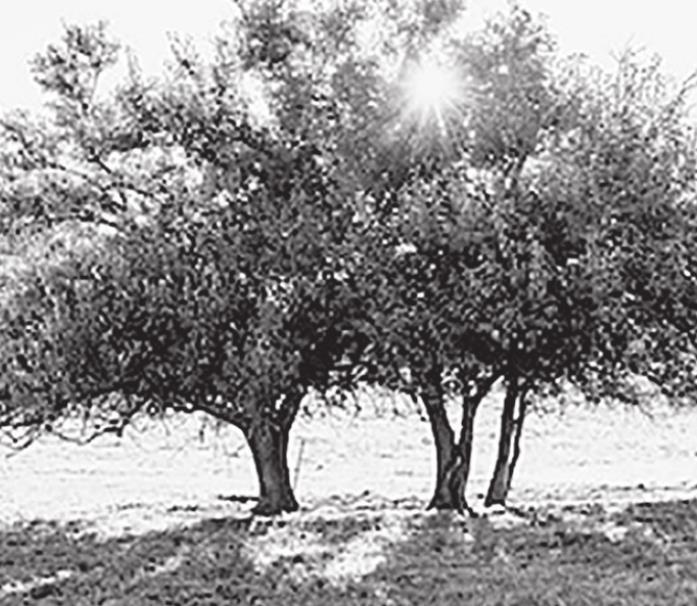
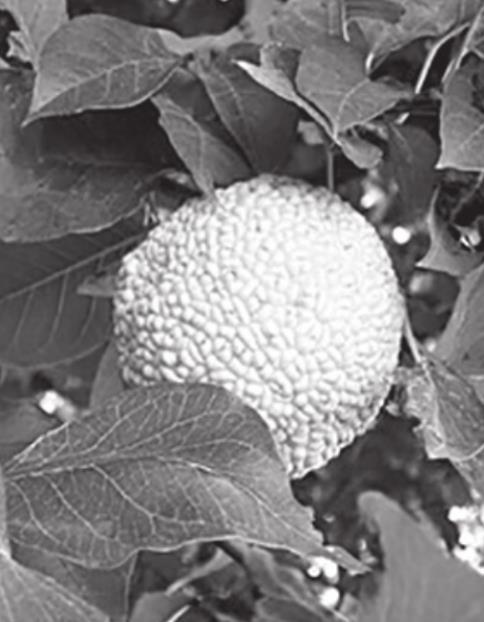
A few years ago, as we set off on a remodeling adventure with this 1910 bungalow, we didn’t know what we would find in the walls, had no clue what secrets the excavated soil would yield, nor any idea the issues clay pipes would reveal. We just knew that our old pier & beam house was being held up by numerous tree stumps, bois d‘arc tree stumps, to be exact. Why not stumps of elm or oak or even a good old poplar tree, you might ask? Bois d’arc trees just don’t succumb to rot. Wikipedia cannot tell me why. “They just don’t” was the exact quote. While the bois d’arc 1st appears in the exploration accounts of Meriwether Lewis in 1804, the nations of both the Osage and Comanche tribes exclusively used the wood for fashioning bows – settlers would take a page from this ingenuity and use the wood for wagon wheels, hence the classic name of this tree, Osage orange. “Oh, so it’s an orange tree?” I asked myself out loud. No, but in an odd tree-type Machiavellian twist, one where I nearly fell from my chair, it produces the craziest “fruit” this side of the Mason-Dixon line. I was today years old when I realized that horse apples come from bois d’arc trees. And, maybe more than any other plant, this tree has more names than Susan Lucci’s character in All My Children: the crab apple, the horse apple, the hedge apple (ground level shoots from the tree can become interwoven and thorny, serving as a hedge capable of impeding the movement of livestock), the monkey ball, the monkey brains, yellow wood, and even some corruption of the term bois d’arc – French for bow wood – as in bodock or bodark. Head scratch. “Oh, so horses eat them,” I exclaimed, again, to myself. Actually, no. In some evolutionary punch line, they’re actually too big for horses to eat. In fact, the last supposed animal to eat osage oranges with abandon was most likely the wooly mammoth. Normally, something this useless would magically morph into something more useful, but not in this case. Or, did that actually happen?
One thing everyone agrees on, from the indigenous nations to the early explorers, is the true talent of the horse apple. It leaks. If you can cut one open without an accidental hara-kiri move (they are extremely tough), you’ll find a few seeds and a lot of very sticky, milky fluid. The Osage and the Comanche used the liquid on cuts and abrasions, as they felt it held antiseptic and healing properties. While the EPA forced anyone peddling horse apple milk (a made-up term from me) to remove a certain disclaimer, southerners, apparently, have always felt it made decent insect repellant. Those in the naturopathic community also cite the governmentally as yet unproveable benefits that include antioxidant properties, immune system support, fungicidal benefits, and a seed derived oil said to provide amino acid and protein gains when applied to hair and skin.
My ride with the bois d’arc tree MLM skin care company has come to an end. It was good stuff, every bit as good as Victoria Jackson’s makeup, in fact. But, it’s pricey. I’m sticking with a good goat’s milk based soap and some organic coconut oil. Still, if you’re interested in giving it a spin yourself, I can at least give you the scientific name for the tree. Scottish-American geologist William Maclure gets the naming nod for a tree found under most old homes in the south, the Maclura Pomifera.
- Log in or Subscribe to post comments.