
My family visited the Dallas Zoo upon many occasions—usually at least yearly—when I was a youngster, and we often went as a group of “church families” from our congregation on Day Street off Jim Miller Road. Our moms cooked up bags of unsalted, un-buttered popcorn to feed to the animals (allowed back then), and we took other snacks along to eat as a group at the picnic tables. “Truth be known,” we kids (and some of the sneaky adults) often ate quite a bit of the “animal popcorn” as we traversed the zoo grounds.
What a wonderful day it was when we went to the Dallas Zoo in Marsalis Park. (We called it the “Marsalis Zoo” back in those days— it had been established in 1888 and is the oldest in Texas, I believe!)
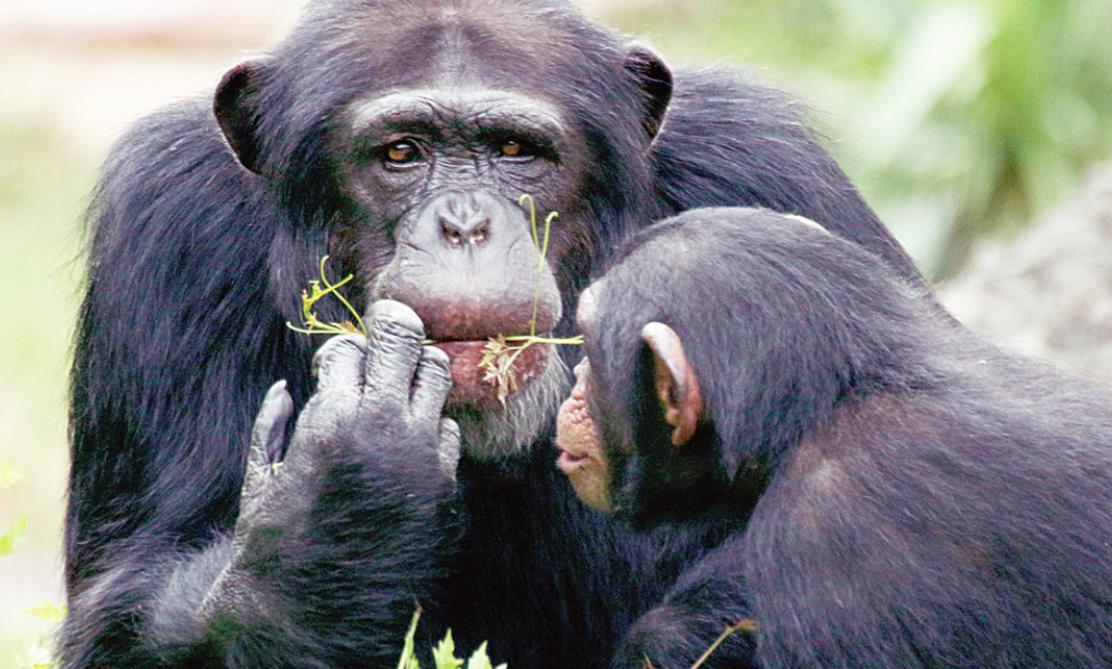
We really liked the lions and tigers and elephants and other large, ferocious animals, but our favorites were the MONKEYS! And, we used that term “generally” to refer to any of the group of “Simiiformes,” or “simians” and did not care whether they were specifically “New World Mon keys” or “Old World Monkeys,” because we liked them all and could spend hours just watching them eat and climb and “groom” each other and carry their little baby monkeys, and mimic humans outside the bars and beg for food and play chase and roll around on the ground and probably think to themselves, “Those stupid people out there think they are watching us, when all the time, we are having fun watching the people act ‘stupidly.’”
Quite a few of the “monkeys” are tree-dwellers, but not all are, and they are mainly active during the daylight hours—and, scientists generally consider them to be “intelligent.” Monkeys can generally also be described as having bodies more like humans than do other primates, but I will not go into specific details!
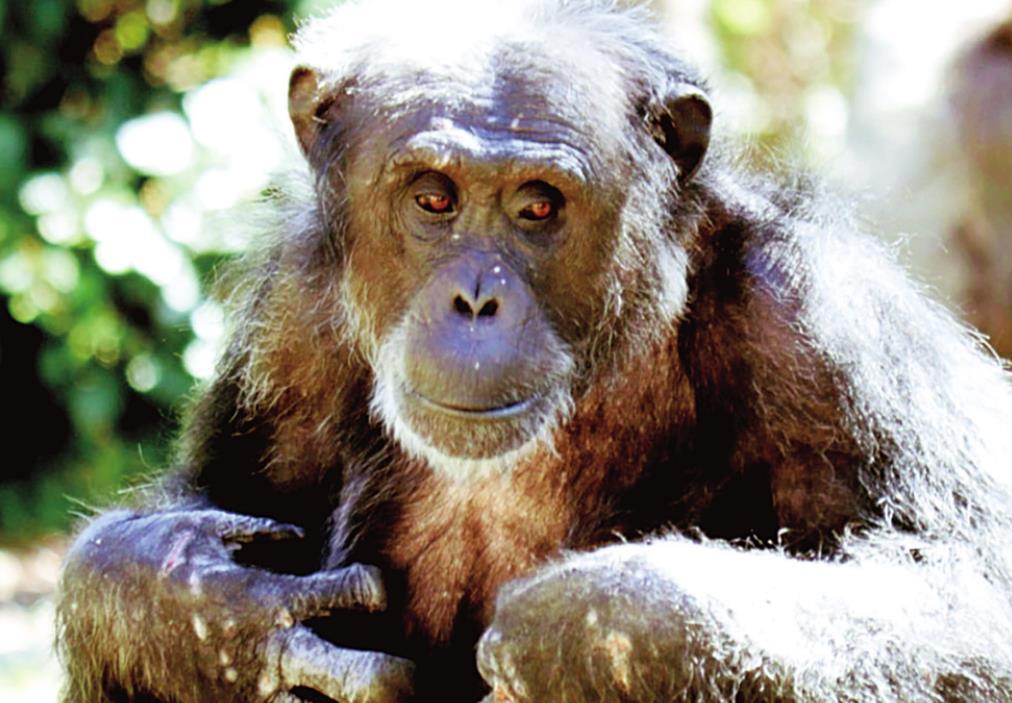
So, back to the “headline question” and why this article was written. KIRK died not too many days ago, and KIRK was a 31-yearsold chimpanzee, who lived in the Dallas Zoo.
Workers at the scene tried to save his life when they noticed the distress, but it was too late!
According to a little research I did, chimpanzees can live longer then 50 years in the wild and sometimes in zoos, but generally live a few less in captivity—and, like as in humans, heart disease is a big problem, especially for the larger monkeys (apes, gorillas, etc.) and especially the males. Specifically, the average life expectancy for a male chimpanzee in captivity is just under 33 years, while females usually make it to 40.
Apparently, heart disease was the culprit in Kirk’s death, too! Reports say that he was a good-natured animal, who liked to run and play and “goof around” with the other monkeys.
He had been a resident in the Dallas Zoo (had been born at the Ft. Worth Zoo and then moved to two or three other locations for a while) for the past three years and was very popular with the public and also staff members.
Indications are that both the Zoo and the Public will feel the loss and miss KIRK, the chimpanzee.
- Log in or Subscribe to post comments.