
Forney had been incorporated in 1884 and had operated for five or so years without any special “insurmountable” problems! But….during this time period, an “ominous” situation had begun to take shape in FORNEY! Polarizations (divisions into two sharply contrasting groups/sets of opinions or beliefs) began to emerge, and they were serious—in the school system, the local Democratic Party, the Baptist Church, and city government to name a few.
How these groups and divisions/schisms were related, or whether they were, is not exactly known, but it is a fact that the town divided itself into two distinct geographical territories—north of the railroad (North Forney) and south of the railroad (South Forney)—and there was a known rivalry for years and years!
At first for the whole town, there had been an original FORNEY SCHOOL, but that changed with the forming of the North Forney School, which was separate from the original Forney School.
North and South Forney even became separate voting precincts!
The City Government also had its troubles, and these became worse as they lost four aldermen (city council) in 1889—two resigning, one moving out of town, and one returning to college. That left the affairs of the City to the care of a Mayor and only one alderman!
Apparently this desertion of the City Council stemmed at least in part from a proposed tax levy, which angered much of the citizenry. And the most aroused segment was the same part that had been against incorporating the city from the beginning.
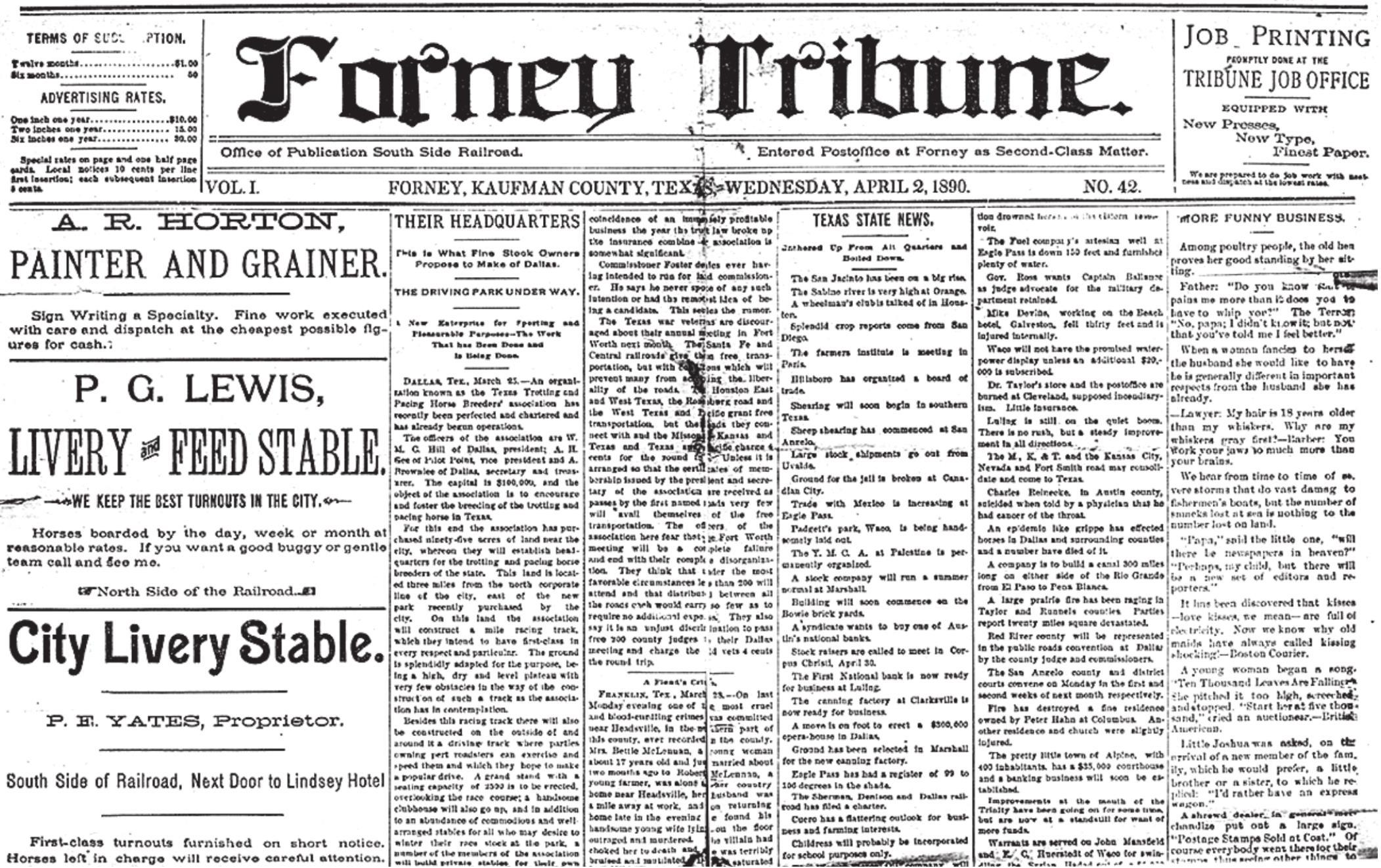
A newspaper article (Tribune) chided the “naysayers” by printing that it might be best for a “live” city like Forney if the complainers would vacate the city and go back to a “backwoods” town without any aspirations for growth and modernism. Of course, that stance did not bring the City together!
Result—City services were more and more neglected, and a circulated petition asked the County to take over street repairs/ maintenance.
In 1890 when regular elections were held, the turnout was only about 20% of the usual average, electing a mayor and five aldermen. But, “stumbling blocks” were thrown into the canvassing of the election returns and declaring winners, and the town of Forney again was thrown into “two opposing sides,” with little being accomplished! The Tribune opposed the bickering of “two sides” and wanted a “full slate of officers, plus incorporation and issuance of bonds to take care of City improvements and other necessary interests for the good of the town.”
No evidence has been or was ever found to suggest that the City Council dilemma was ever resolved, and this apparently marked the beginning in Forney of a period of “profound apathy towards city government.” This all in turn culminated in the “official DISSOLUTION of the City Charter in 1895.”
There are not further records of any city elections being held during the 1890s! Were there?—Who knows? But records or even “word of mouth rumors” are not anywhere!
*However, note that there was a “passing mention” in a local newspaper of a Mayor J. C. Kirby, but nothing more is known of this man or if and how he might have come to be in office or called a “mayor.” Maybe it was just a “nickname”— friendly or derogatory!
1895: The Abolition of the Forney City Charter was the result of an election vote of 131—16, where the citizens approved the dissolving of the “letters of incorporation!” However, this was just a formality, since the change had already been effective for five or so years—just never voted!
The call to “Immediately Re-incorporate” was “voiced” by the Forney Tribune with very little support, and Forney ”limped along” without city government for the next 15 years, until finally adopting a New Municipal Charter in 1910.
Despite government or no official government, it seems that city services were not plentiful, since the citizenry as a whole resisted paying taxes! Local newspapers periodically called for improvements in the city, such as better streets and drainage, sidewalks, weed clean-up, planting of trees and shrubs, city beautification in general, and the purchase of lands for a city park, but little, if anything, was done—not even the hiring of a “city scavenger” to clean out the outdoor toilets!
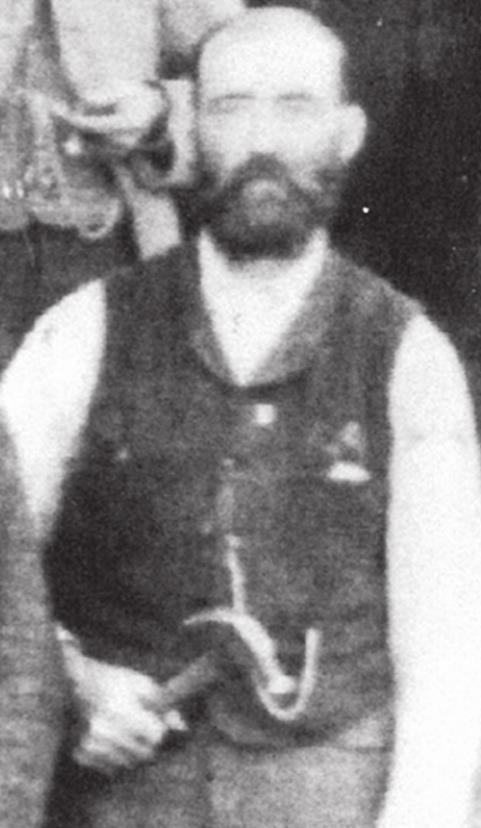
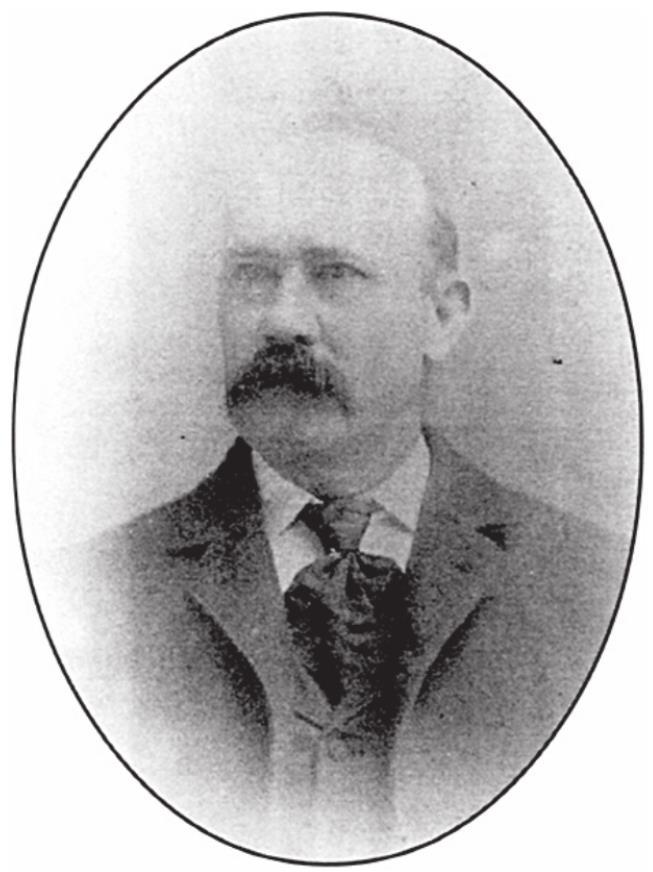
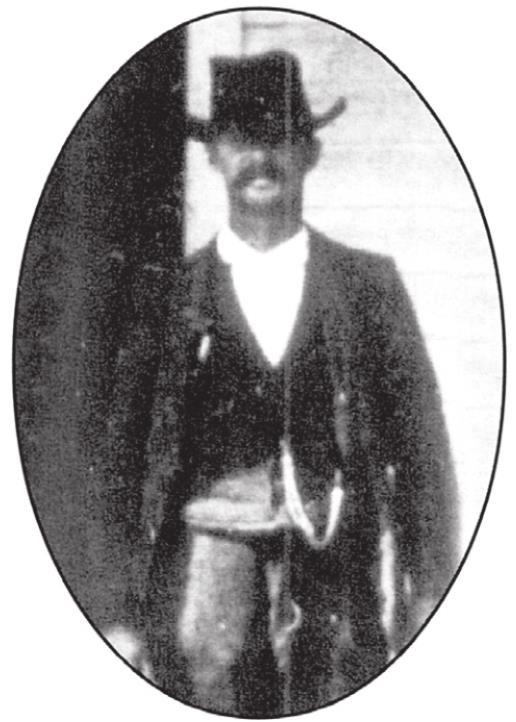
*There was one area, though, for which the City did provide services during the early years—the employment of a law enforcement officer, a town marshal. From 1884—1890, this office was filled by the following men: Isaac S. Wood, J. M. Daugherty, E. G. Crawford, Hiller Alexander, H. P. Garrison, and maybe some un-recorded others!
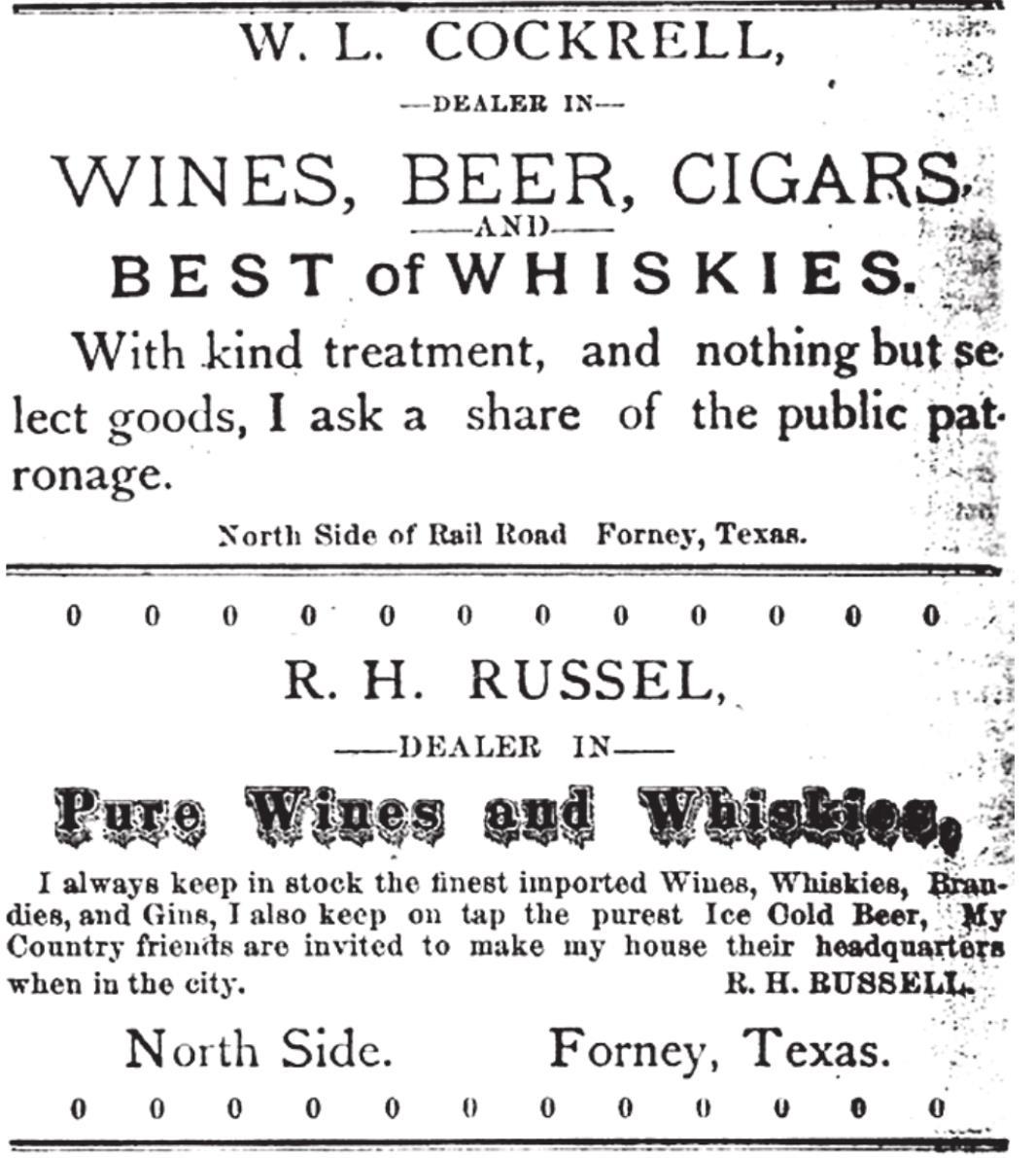
A fortunate coincidence occurred about the same time that the City Government began to flounder— Forney Precinct, which had been “wet” since 1887, once again voted down the sale of alcohol and remained “dry” for most of the remainder of the decade. The absence of saloons made “keeping order” in the town an easier matter, even with the absence of a city marshal! However, keep in mind that breakings of the law still occurred fairly regularly, and still often resulted in one way or another from “demon rum” and from suspicious characters, who committed “depredations” at night after hanging around the town area during the day!
1893: Forney was already without a City Marshall, when Justice of the Peace, Isasc S. Wood, was murdered by John Bell, who was found guilty of 2nd degree murder by a Kaufman County Jury and sentenced to five years in the Penitentiary. Wood’s unexpired term of Justice of the Peace was completed by Captain Samuel Cundiff.
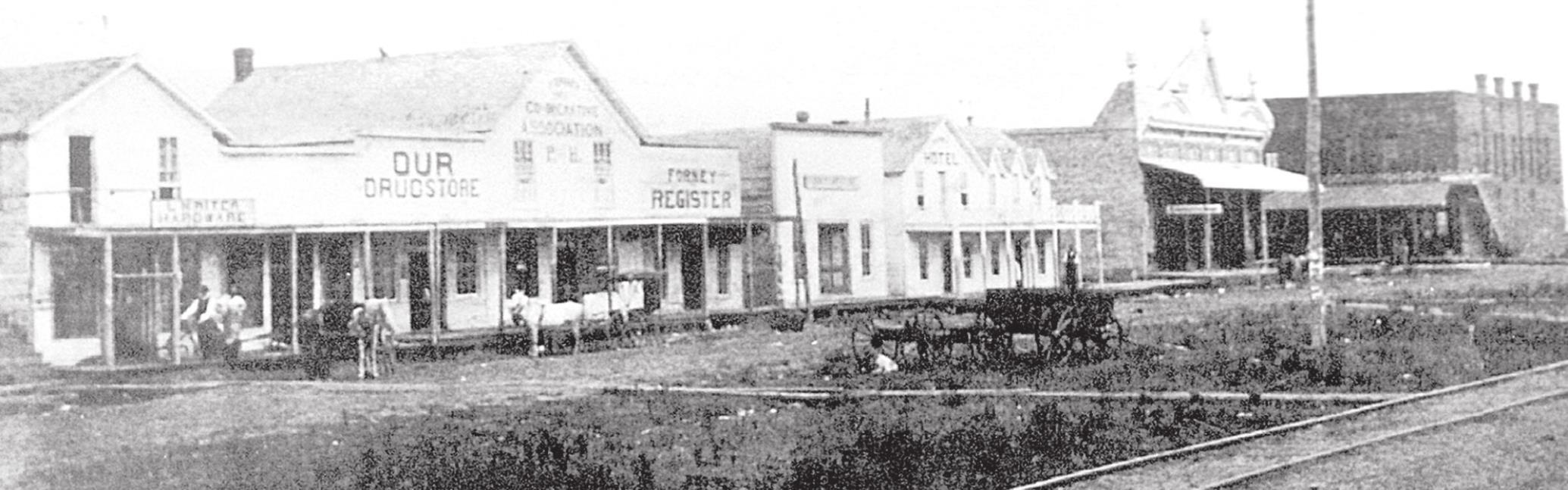
During the 1890s many additional businesses opened in downtown Forney, and construction of new buildings, communications with the outside world, and more and more convenient/economical travel options were being utilized.
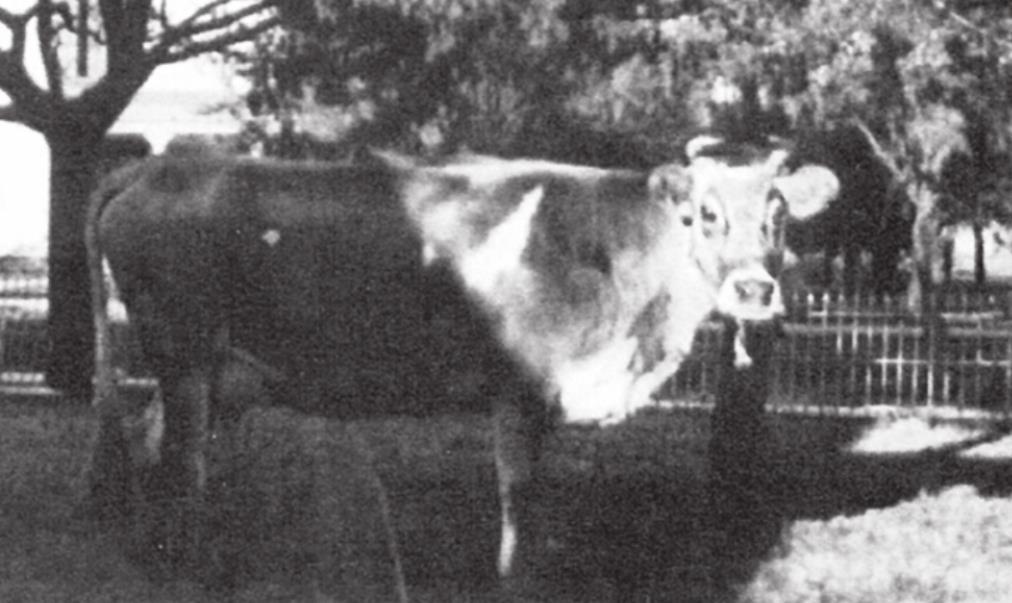
Forney of the 1890s had progressed a long way from that of the 1870s, but it was still RURAL in its orientation! Even the prosperous members of the Middle Class kept milk cows, hogs, and chickens on their premises in town as convenient sources of food. Most families of that day, in town and out, still churned their own butter, gathered their own eggs, wrung their own chickens’ necks to prepare Sunday dinners (or had a “domestic” do it), and horses were kept on the premises as beasts of burdens. As animals in town became nuisances, some became prohibited (such as hogs), and many, many residences had vegetable gardens and orchards, making canning and preserving fruits and vegetables common occurrences, especially during the warmer months.
*Do keep in mind, though, that there were grocery and dry goods stores in town, so folks did not have to make or grow everything!*
*Do also keep in mindthat when I was a boy in Forney, there were still horses, mules, sheep, goats, cows, chickens, rabbits, and a few hidden hogs inside the city limits, and for the most part, no one complained about sharing our air with the animals!*
The years between 1900 and 1914 were a period of “unparalleled growth” and progress in Forney, enjoying the strongest leadership in its history—even though it was still basically without a city government, following disincorporation in 1895.
As a closing note, we will end on a “down” rather than “up” occurrence, and that was the 1898 local option election, which resulted in the return of “liquor-by-the-drink” availability, as several saloons set up operations almost overnight, it seemed! By 1901, at least four saloons were scattered about the downtown area, and the problems of disorderliness were exacerbated by the continued absence of city government and especially the LACK OF A CITY MARSHAL!
So, as we wait to see who came to help curb the “disorderliness,” let us all marvel at how far our City of Forney has come and all join together to make it even better and more prosperous for all its citizens! Thanks for reading, and remember that there are still copies of Jerry Flook’s Forney Country available at the Spellman Museum or on-line.
- Log in or Subscribe to post comments.