
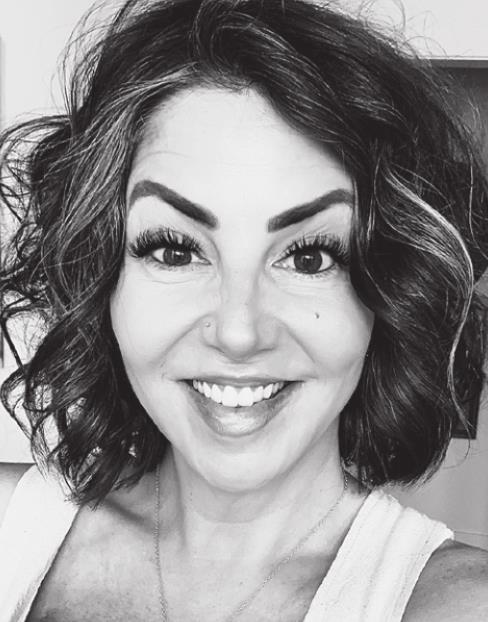

In my friend group, I’m known as the therapist. Got a relationship woe? I might spit out a meme-worthy, pearl-clutcher of ad-libbed, quote-worthy word salad. “Wait, say that again,” is something I hear a good bit, with my lunch comrade ferociously thumb typing my impromptu monologue into her phone’s notepad. It has nothing to do with wisdom and everything to do with me being the oldest person in the circle. My beloveds would tell you that isn’t true. They would say it’s my nature, that I practice being kind like others learn to chip toward the hole from the rough. While that’s a compliment, it isn’t the case at all. I’ve just been on this Godforsaken planet longer. I’ve seen stuff, done stuff, had more brilliance, cast more shade, and walked closer to a darker edge more than most folks. I’ve had some trauma: so, so much trauma. Along the way, I learned to stop wishing it weren’t so. At times, the trauma has been my only friend. I learned to shape it differently, to carve it into tiny wooden tchotchkes, to stick it to my dashboard like a shapely hula dancer. Because, you know what they say about keeping your enemies closer.
According to the internet mental health site Help-Guide, an independent nonprofit that has provided free mental health/healthy change content to 50 million people worldwide, trauma is the result of extraordinarily stressful events that shatter your sense of security and make you feel helpless in a dangerous world. The result is palpable feelings of being overwhelmed, numb, unable to connect to others, riddled with guilt, etc. Trauma causes things like insomnia, nightmares, fatigue, heart palpitations, muscle tension, anger management issues, and mood swings, among other things. Oh, but Dina, you are thinking, not that many of us are truly traumatized. That’s reserved for victims of violence, first responders, and war heroes returning from battle. True, these situations are classic examples of PTSD trauma. However, the one thing we don’t take into consideration often enough is how everyday run of the mill trauma affects us, especially when we are children. HelpGuide explains that experiences in our childhood can set us up for failure as adults. In other words, childhood trauma experience triggers childhood responses to adult trauma. When you think about how we are thrust into this world as children, it’s easy to see how we grow into adults ill-equipped to handle this world, especially these last couple of years. Childhood trauma simply means something disrupted a child’s sense of safety: serious childhood illnesses/surgery, living in a crime ridden neighborhood, domestic violence, childhood neglect/food insecurity, an unstable environment, separation from a parent, death of a loved one, abuse – sexual/physical/verbal, manmade disasters, natural disasters, & bullying to name a few. We see children as resilient, as quick healers. They won’t remember. They’re too young. They’ll grow beyond this. Many times, they do. But, trauma creates a kink in the central nervous system that will forever surface when you least expect it, like chicken pox when you’re 6 leads to shingles when you’re stressed at 66. In the often-shared words of my healer guru, licensed clinical social worker Nicole Sachs, “You can feel things in your heart, but you can also feel things in your body.” Like a cancerous cell that turns over way too fast, trauma can invade your every tissue, every organ, every fiber.
One of the greatest advancements of social media in this last decade, in my opinion, is the lifting of the taboo veil over mental health in this world. Does therapy cure everything? I wish. Will journaling make my brain whole and carefree again? If only. Is meditation the tool that will finally still my heart and let me sleep? I don’t know. Yet, so many of these tools are readily available to us. Many are free. Still, we would prefer to spend our life savings toward co-pays and pharmacy bills to see if this pill will help with this trauma symptom, or if another pill can help us with this ache. Oftentimes, modern medicine is beneficial and miraculous and gloriously necessary. But so are the other tools in our heart’s arsenal, like Vitamin D on your skin, a brisk walk in the morning air, hot tea and a sunset, pouring the words you would never tell another human soul onto a piece of paper and watching it burn, learning how to breathe where it contorts your stomach and causes your lungs to press against your ribs, manifesting beauty in a totally empty mind, and sitting in a dark room with an 8 year old version of you – telling yourself that it’s ok and that you’re going to take care this precious child version of yourself for all eternity. My favorite spiritual quote was penned by yogi, teacher, author, and psychologist Ram Dass. “We’re all just walking each other home.” While we’re on this finite walk we call life, maybe we could just glance in the ditch every now and then. Someone might need a hand getting back up.
- Log in or Subscribe to post comments.