
Back in the spring, I remarked that I would be writing periodically about the RENAISSANCE, but it is the “Harlem Renaissance” and was one of my favorite periods of literature to teach!
Renaissance, as I learned way back during my days as a student in Forney Grammar School, literally means “RE-BIRTH” or “re-awakening” or “revival.” The renaissance that is the topic of this article was an intellectual and cultural revival of African-American literature, theatre, art, politics, fashion, dance, and music that was spawned in and centered around “Harlem,” Manhattan, New York City, mainly during the 1920s and 1930s (actually 1918 through near the end of 1930). However, a great many “literary” and other “artistic” thinkers/ performers would debate the issue by saying it is “still continuing today!”
In the beginning, it was quite often known as, or at least referred to by, the name of “New Negro Movement”, which was named after a piece of literature, The New Negro, an anthology that was edited by Alain Locke (1925).
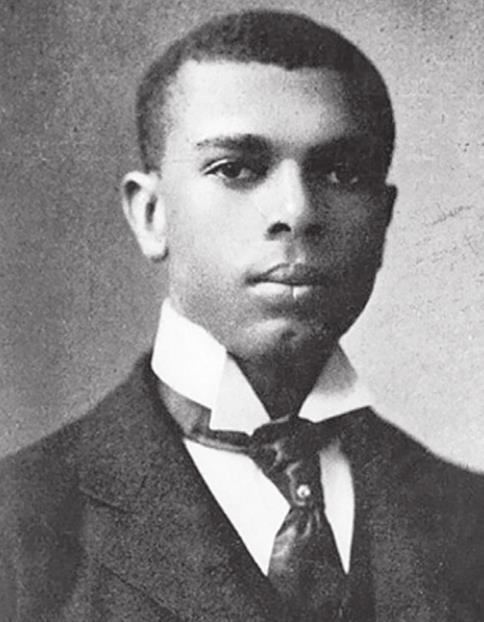
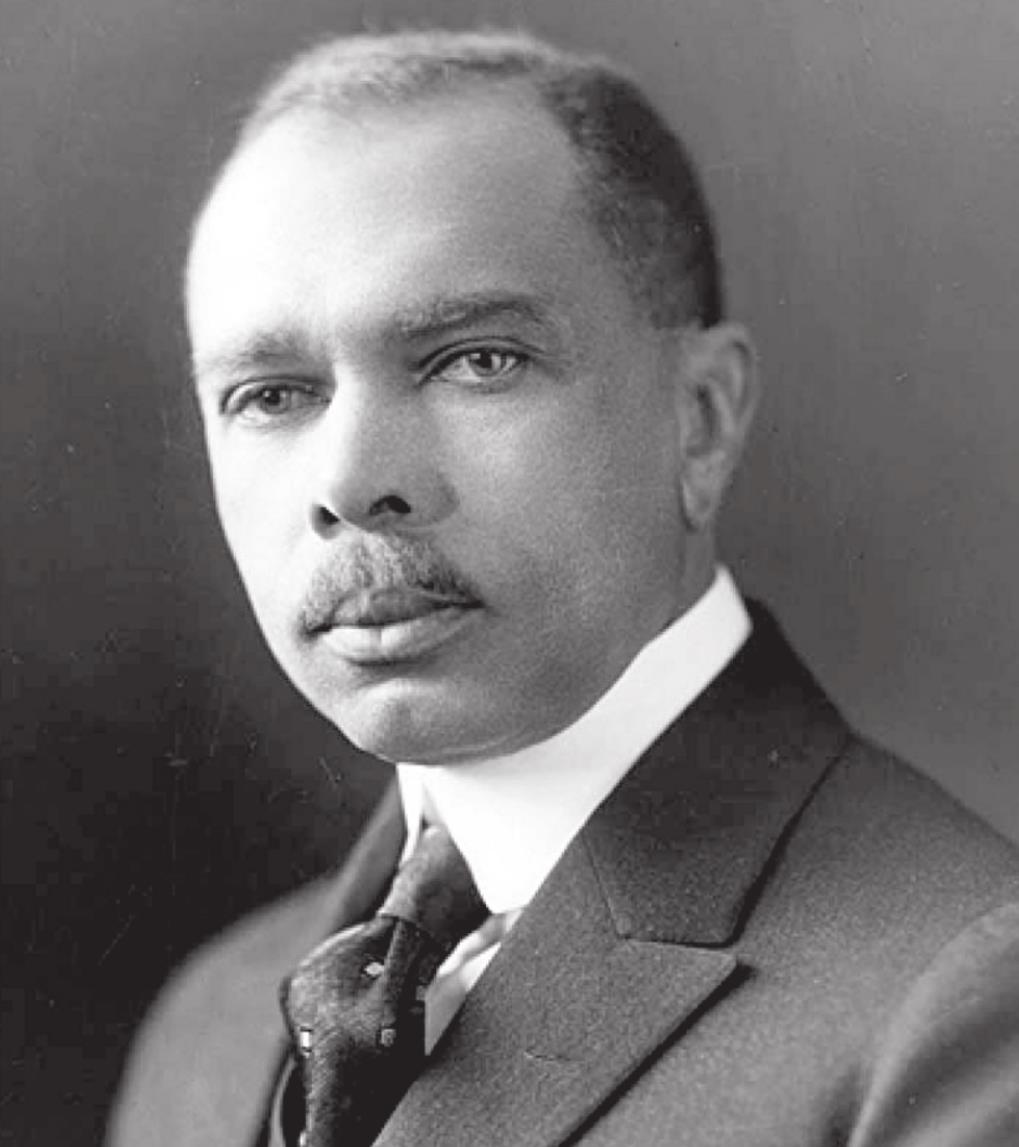
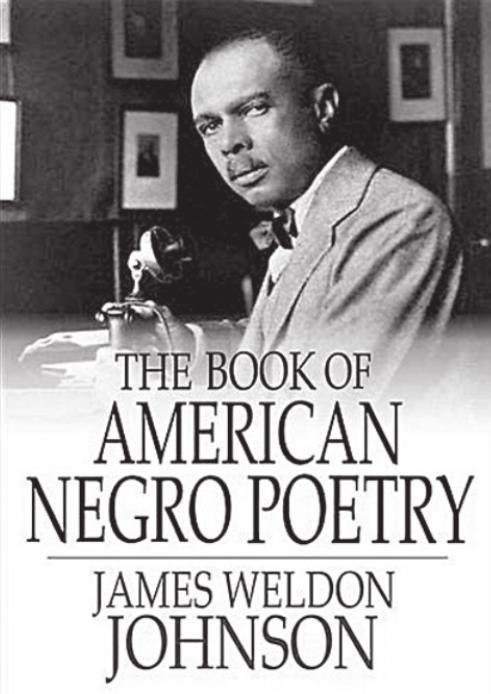
James Weldon Johnson (1871-1938) preferred to call this movement the “Flowering of Negro Literature.” I, too, believe that the literature was/is the most important aspect of the Harlem Renaissance! And, music and literature are almost “one-and-the-same,” if you really examine what each does.
As Johnson once said, “It is from the BLUES that all that may be called AMERICAN MUSIC derives its most distinctive character.”
Mr. Johnson, in my opinion most important as a poet and leading early figure in the creation and development of the Harlem Renaissance, was also an early Civil Rights Activist (non-violent), who grew up in Jacksonville, Florida, and later worked for the NAACP (National Association for the Advancement of Colored People) and was that organization’s Executive Secretary. Also active in this association was his wife, Grace Johnson. James Johnson was many things—civil rights activist, writer, composer, politician, lawyer, and educator (principal in a grammar school) after graduating from Atlanta University. He was the first African-American to pass the Florida Bar exam (1897)! He had earlier founded the Daily American newspaper in 1895. He worked under the direction of President Theodore Roosevelt in diplomatic positions overseas.
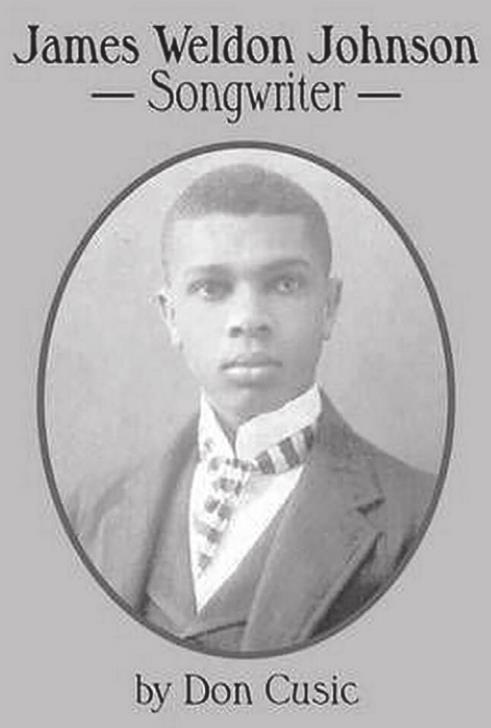
Johnson wrote a poem that was later made into a song by his brother, J. Rosamond Johnson (1873-1954), to honor President Lincoln’s birthday—“Lift Every Voice and Sing”—and the tune is now considered by some as America’s “Black National Anthem.” The two Johnson brothers continued on with musical creations and wrote more than 200 songs used by the Broadway Musical Stage!
After he retired from his position in the NAACP, James Weldon Johnson devoted the remainder of his life to writing and became the first African-American professor at New York University. He died as the result of an automobile accident in 1938, and more than 2,000 people attended his funeral. In my opinion, losing him was not only a great loss to his family and friends but also to the United States and the world. He was a man to be emulated!
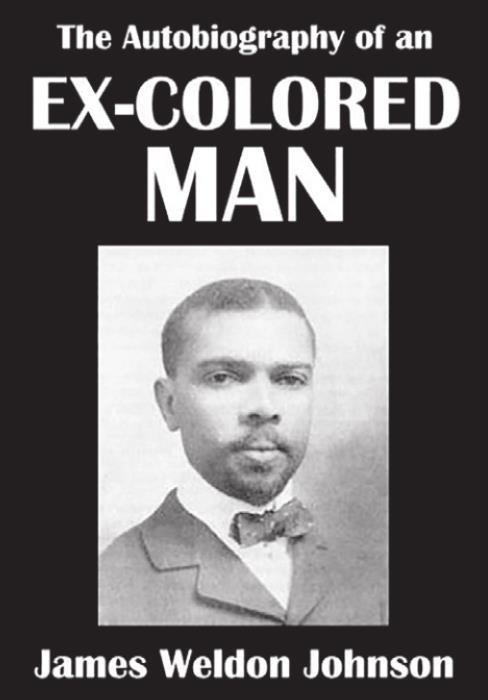
Some of his works, besides the hundreds of stories and poems for which I have not the space, are God’s Trombones (a 1927 collection celebrating the African-American experience in the rural South and elsewhere) and The Autobiography of an Ex-Coloured Man (1912), based loosely upon his own life and first published anonymously and then later re-issued under his own name (1927), when it became much more noticed and popular. Some individual poems that I really liked and have read and reread are “Go Down, Death,” “The Creation,” “A Poet to his Baby Son,” “And the Greatest of These is War,” “Deep in the Quiet Wood,” and “Lazy.”
I doubt that many of you will read one of the above recommendations, but if you do, try “Lazy,” and see if you think he is serious, tongue-in-cheek, or trying to make us think, because I do not think anyone ever thought this man was LAZY!
- Log in or Subscribe to post comments.