
In 1974 I purchased Earl Sigler’s 1940s home on the lot at the corner of West Pacific and Miller’s Trailer Park private road and soon decided the wooden shingles that had been on it for more than 30 years needed to be “topped” with new modern white asphalt shingles. R. D. Davis, who had built the Paul and Marian Themer home at 605 Maple Street, said that I could not go wrong with putting hard-working and honest, Dee Bolding, in charge. The Boldings lived on Bois d’Arc, almost directly across the street and “one yard over” from Mom and Dad, so I went to see Mr. Bolding that evening when I was eating a “Mom Themer cooked” meal.
I had mowed his yard and trimmed his bushes once or twice when his wife had called and said she wanted it done like I had done the Roy Thomas yard, and I had played softball with their daughter, Sandra, at some of the weekly softball games in the Conway Senter yard, so, I felt as if I “sort of” knew the family.
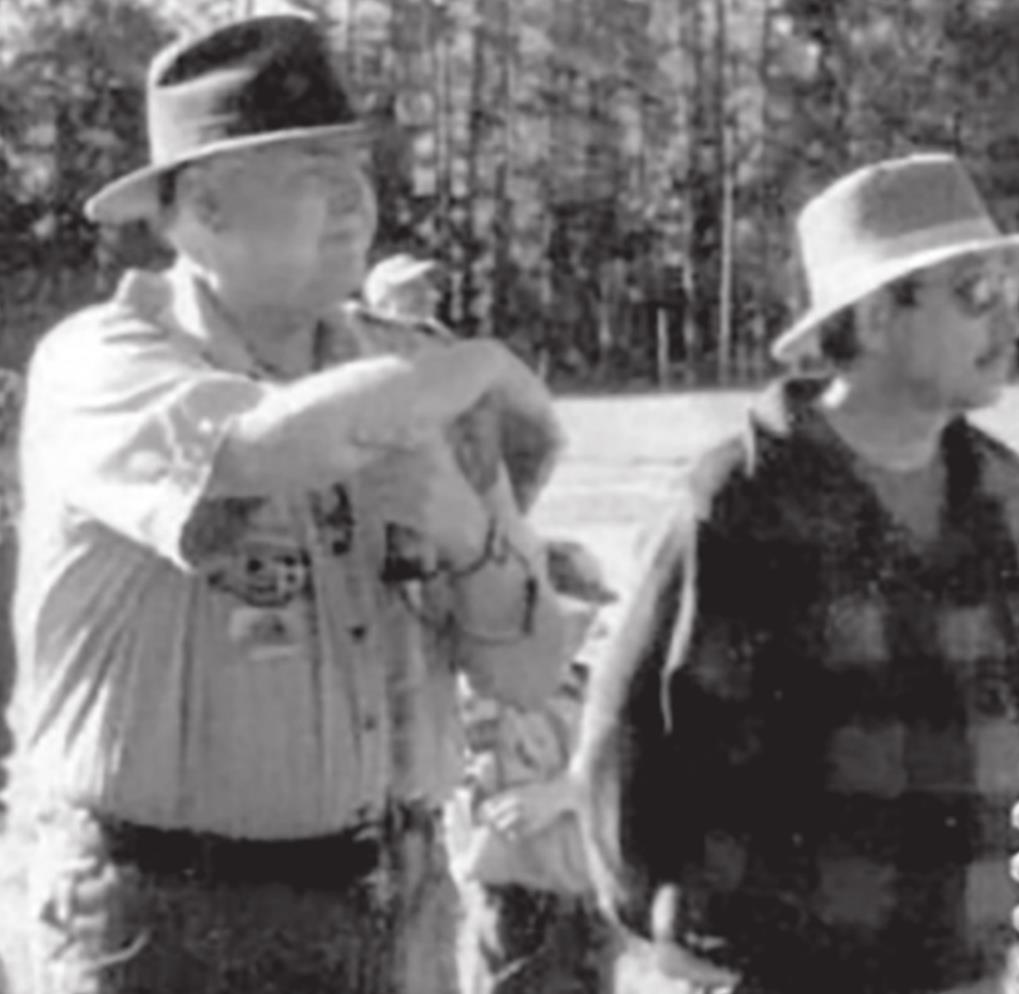
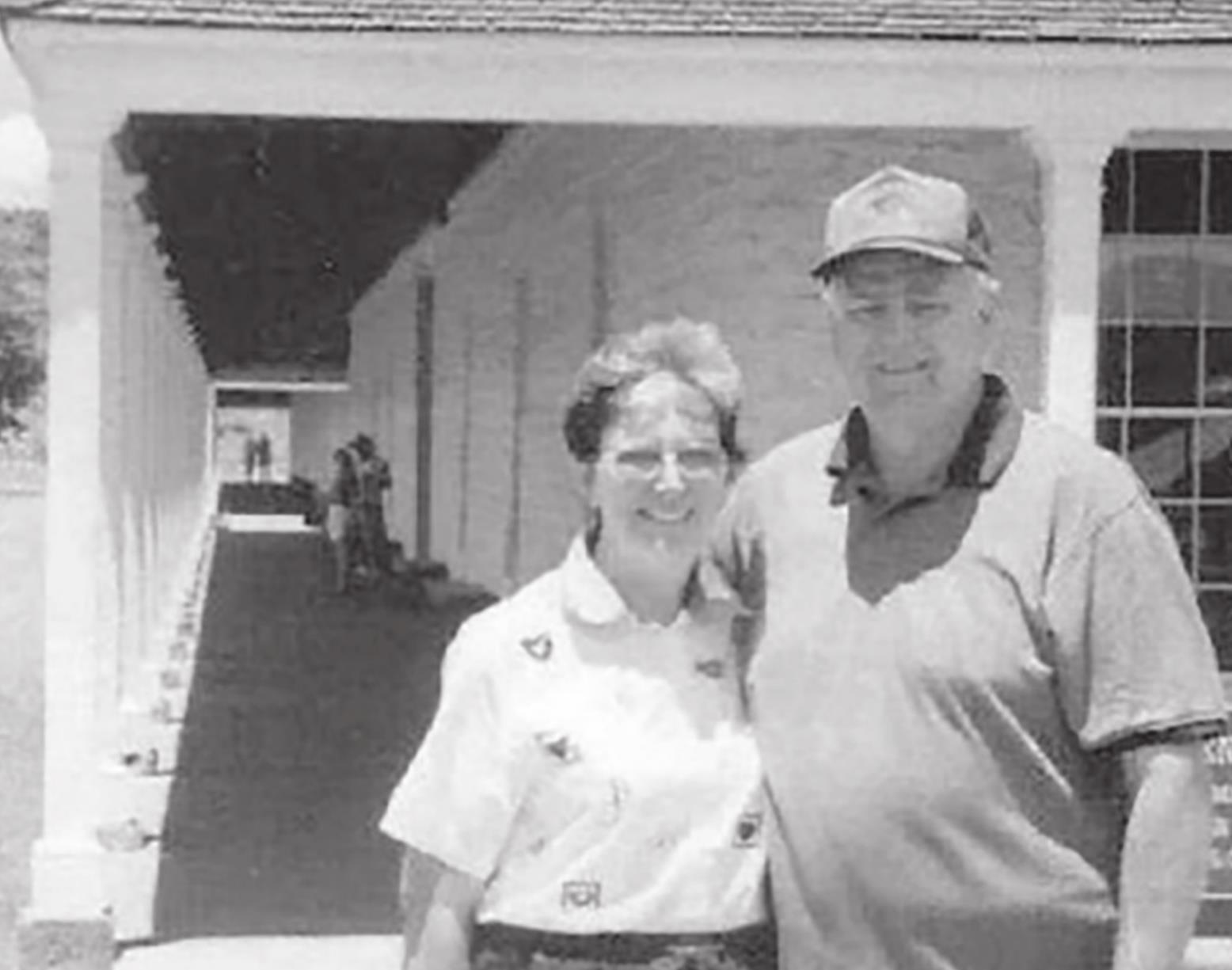
I left the Bolding house with an “affirmative” on the part of Mr. Bolding and the assurance his son-in-law would be helping him and that when it was all done, he would charge me a fair price, based upon their labor and the cost of materials. We shook hands, and two or three days later, I drove by the house after I finished grading some papers and noticed the work was well on the way to being completed. I stopped and talked a little while (Mr. Bolding wasn’t much for wasting time when there was still work to be done.) and was introduced to sonin-law, John Brown, who was married to Sandra (Bolding).
The reason I am recounting this information is because roofing helper, John Brown, is the same person as the man who is now the subject of this story about “modern-day” “old-fashioned” “Chuckwaggoning!” (my word for it)
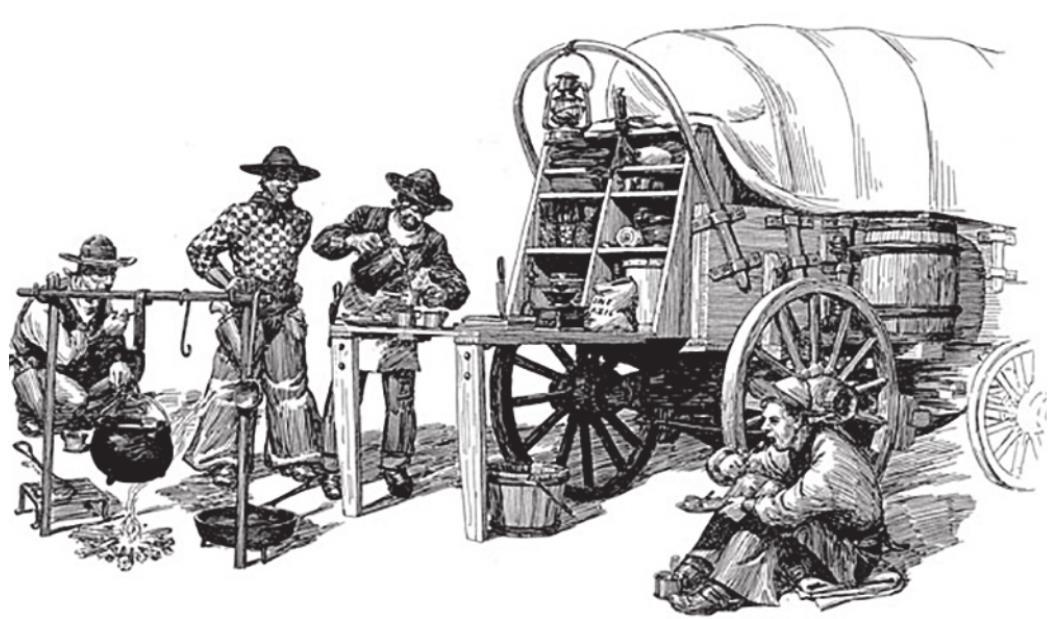
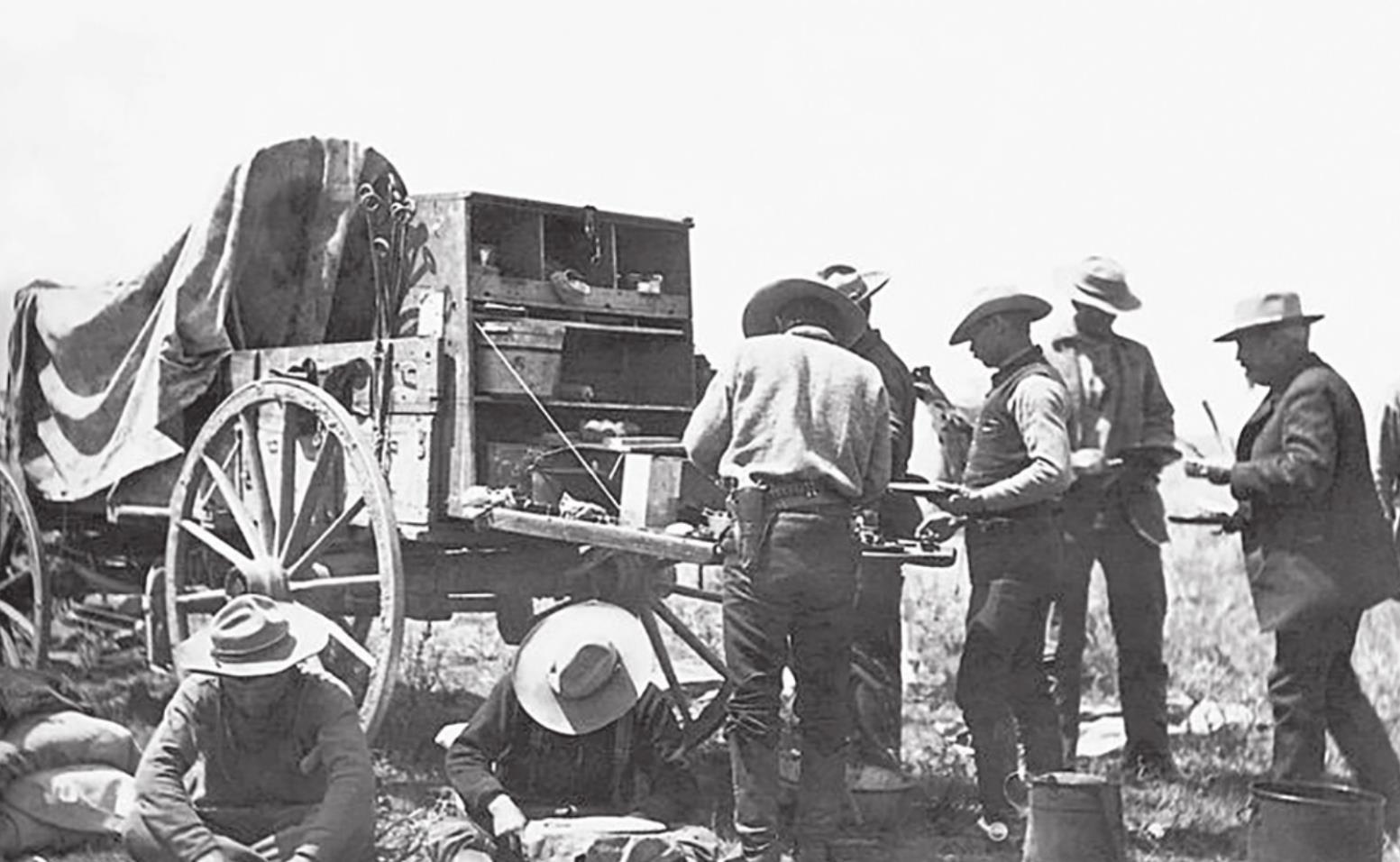
**A little HISTORY** According to John and some literature he gave to me, the Chuck Wagon should probably be called America’s First Fast Food Truck, for this is what it did, and still does, produce—the aroma of freshly-brewed coffee wafting through the air, a line forming for that “wake-up cup,” hands reaching for a plate of “to go” eggs, bacon, and biscuits. Some might say that the description sounds like a street corner in a major city early in the morning! Well, let’s journey back to the big, wide open spaces of the early West during the 1800s prior to the Civil War, when moving cattle to market meant LONG CATTLE DRIVES, with men wearing wool pants that were probably second-hand, chaps, vests, loosely-fitting cotton shirts, “cowboy” hats, boots with spurs. The drive was arduous, time-consuming, and sometimes dangerous, and meant many nights of “camping out” along the trail and men waking up hungry as they got ready for another day of moving cattle!
The center of their lives along the drive was the CHUCK WAGON—for having enough to eat, for socializing, and for just about every “survival” need. And the “ring leader” of this chuck wagon was a man, usually known as “Cookie,” and most often highly respected, if not feared, and quite often considered a “surly” character!
As I have read about the early settlers to the Forney area, I have realized that many came here in covered wagons; some of my wife’s ancestors did so, and the “yoke” of one of their wagons has been donated to the Spellman Museum of Forney History.
But, the wagons of her ancestors were not the same as chuck wagons, which were originally invented by Colonel Charles Goodnight, a well-known cattleman, who had a partner by the name of Oliver Loving. The two of them owned a herd of approximately 2,000 longhorn cattle and were planning to move them along the range “trail” from Texas to be sold in Colorado. The country they planned to traverse was rough, and could be dangerous in several ways, and there not many towns near which they could stop to rest the herd and replenish supplies for the men.
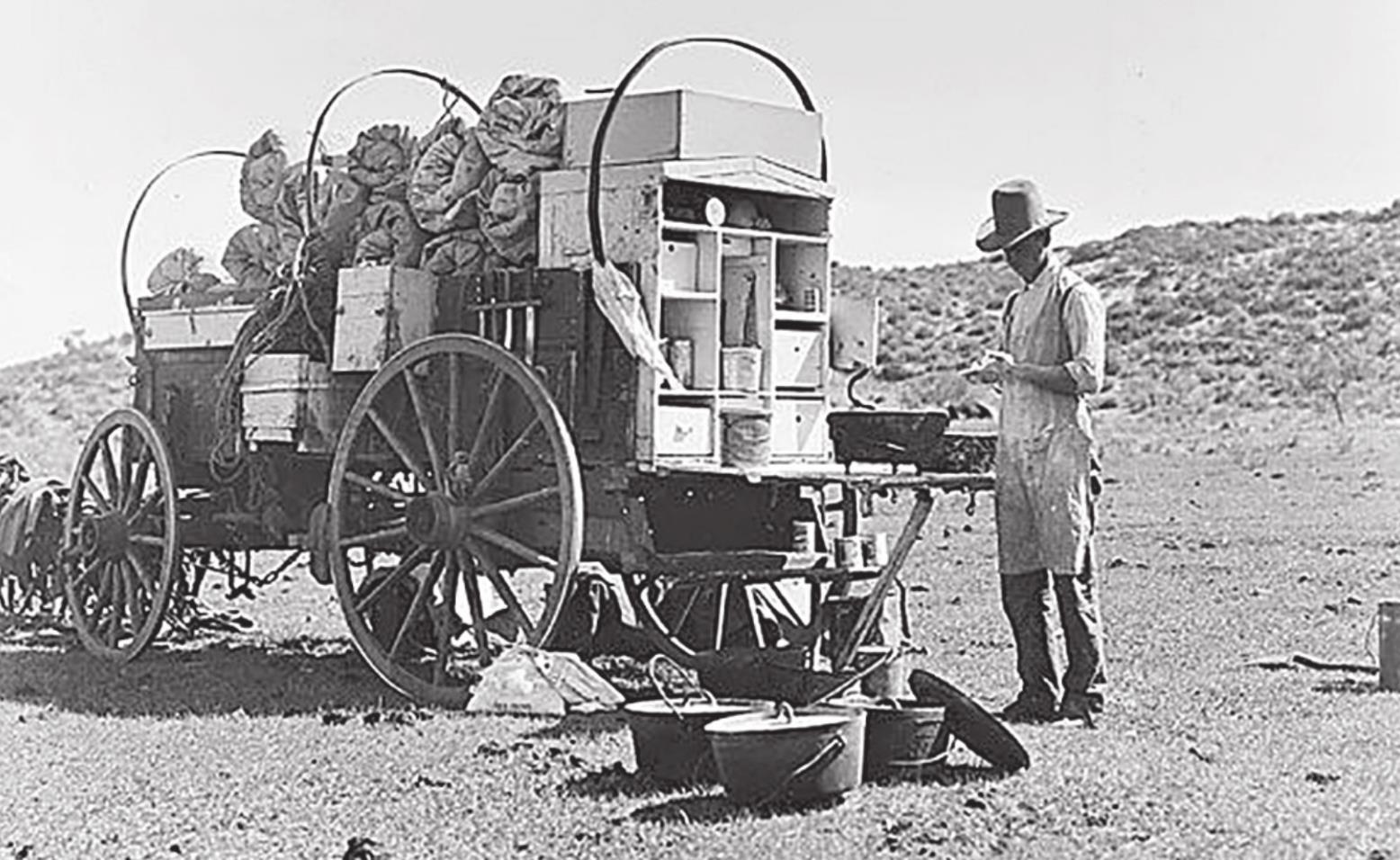
However, Mr. Goodnight had an idea to take an Army surplus wagon, reinforce and re-build it with durable planks of hard wood, and then add cabinets, shelves, “cubby-holes,” and various drawers to hold utensils and food supplies, along with a hinged “worktop” for meal preparation and a large water barrel on the side.
And, since many “hands” or “cowboys” came to work on the trail with not much more than what they had on their backs and in their pockets, the wagon supplied spaces for bed rolls, blankets, and “slickers” to ward of the rain and cold!
It seems that cowboys called their meals by the term of “CHUCK,” which I read is an English term for “good, hearty food;” thus, this new Goodnight invention became known as the CHUCK WAGON.
And since I have worked up a good hunger as I have slaved at the dangerous and strenuous job of writing this article, I think I will journey out to the kitchen and see what “Cookie Vivian” has ready for her husband to eat! We will head out on the trail and see if we can find JOHN BROWN again next week!
- Log in or Subscribe to post comments.