
Even before we started school in 1st Grade back when I was a little boy, we all knew what “colors” were—They were the colorful “waxy sticks” you used to “color the pictures” in your coloring books that your Mom or Grandmother bought for you to pass time when it was raining outside!
I think the families of all the children with whom I played, including cousins, had “cigar boxes” with pieces of “colors” in them, because we often accidentally broke them when we colored too hard or when there was one that was necessary for the leaves on the trees, and there were two or more kids coloring trees at the same time!
An intact box from the store, still containing all the “colors” that originally came in the set, was a rarity in our neighborhood in Forney and in Oklahoma!
However, when we started 1st Grade with Mrs. Blackburn, a box of “colors” was on the supplies list. But, the number of “colors” inside the box was very few compared to what was to come as we progressed through the grades. The boxes grew in size, and the number of “waxy sticks” increased, also.
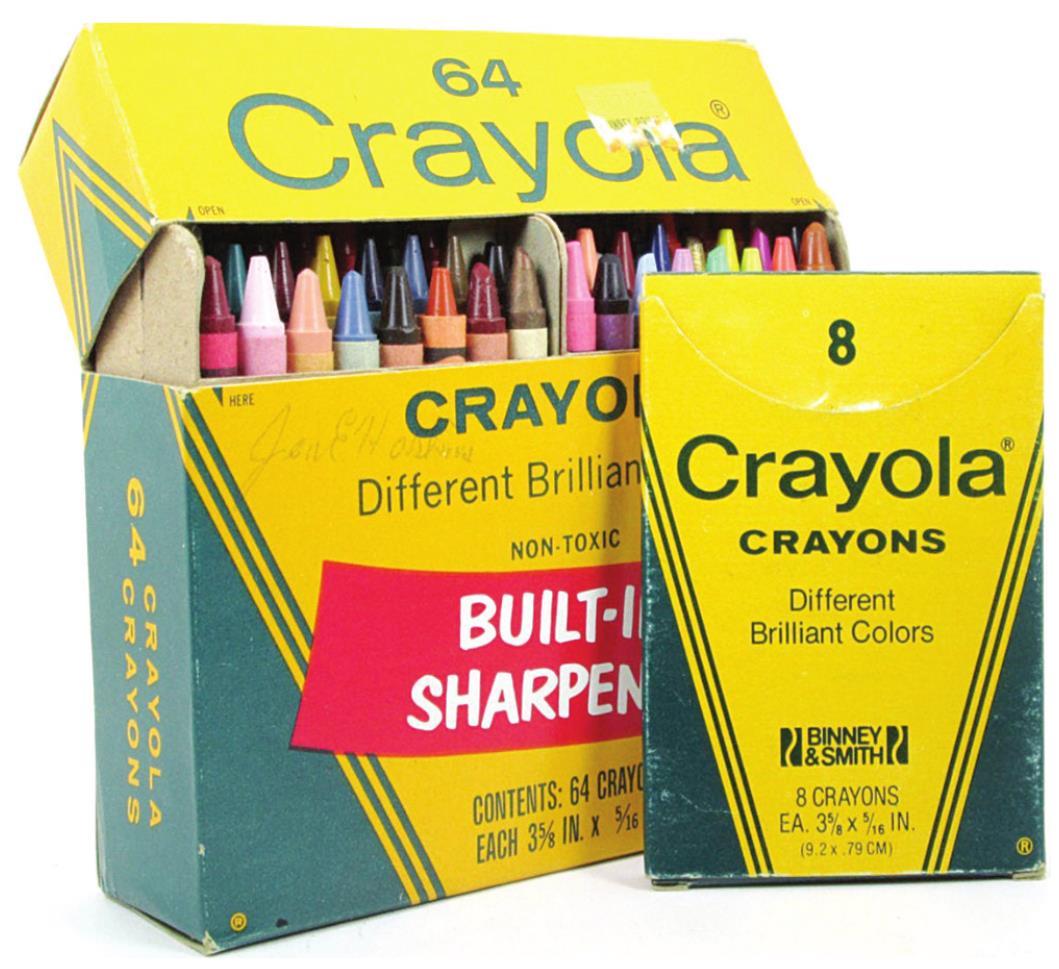
I think I remember having an “8 Box” and then a “12” and then a “16” and finally a “24.” I thought that was pretty special, but don’t know exactly when that happened or in which grade.
The day somewhere in Grammar School, when one or our classmates came back after Christmas with a “48 Box,” was a day of amazement and requests for “Let me borrow your ‘gold’ or ‘silver’ or ‘tan’’’ or other different shades none of us had. And I imagine a plenteous number of Moms were besieged with, “But, Mom, Freddy or Janice has them; why can’t I?”
Exactly when we began to generally term “colors” by their rightful name of CRAYOLAS came “I don’t know when.” And some students called them CRAYONS, while a few pronounced the word almost like “CROUNS.” Most of us laughed at that sound!
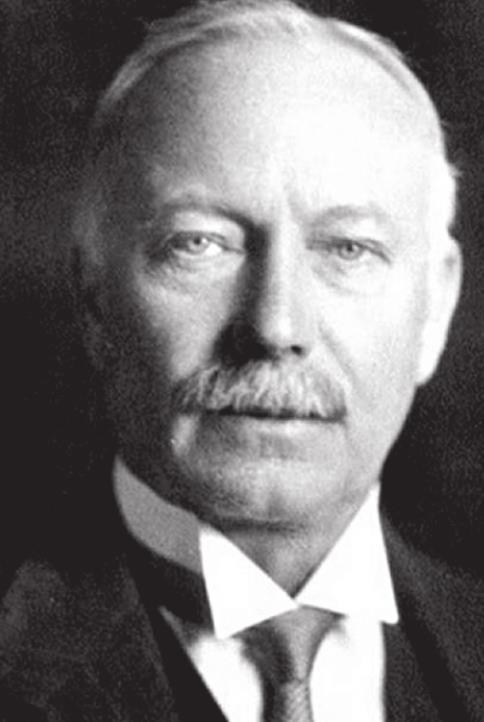
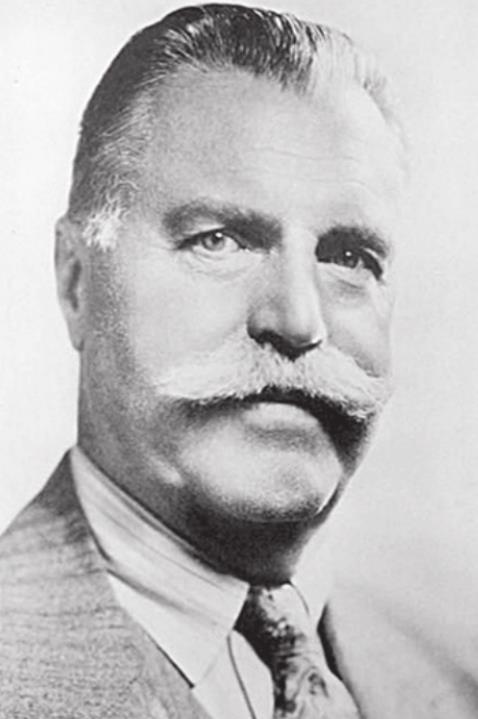
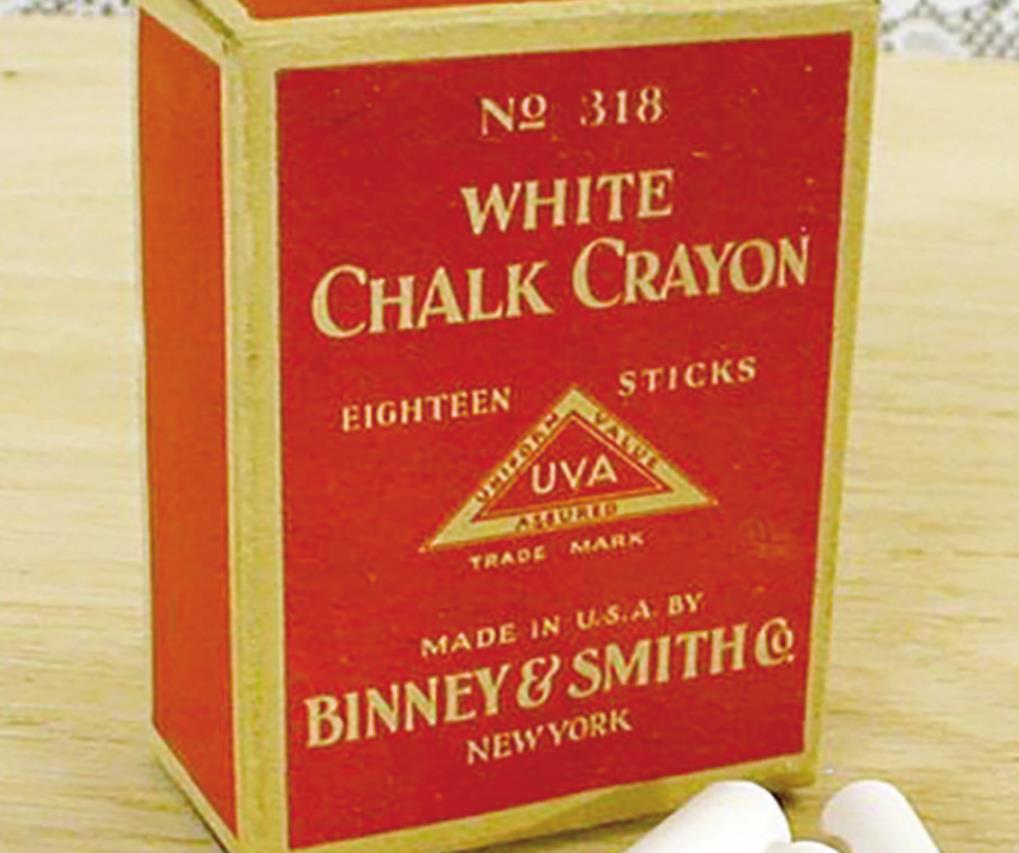
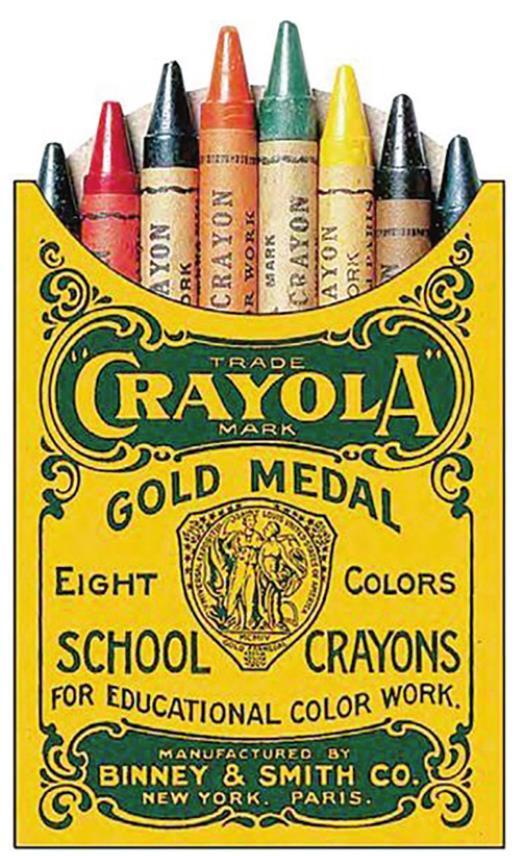
According to information from a reliable source and duly “checked out” over and over by me, Colors, Crayons, Crayolas were not called that for quite some time after their beginnings in about 1885 by two cousins, named Charles Smith and Edwin Binney, who founded the company in New York City after finding a new method for producing “cheap” black colorants that they entered into a competition in the chemistry industries category in 1900 at the Paris Exposition.
They also developed colorants for industrial uses, such as red iron oxide pigments, used in barn paints.
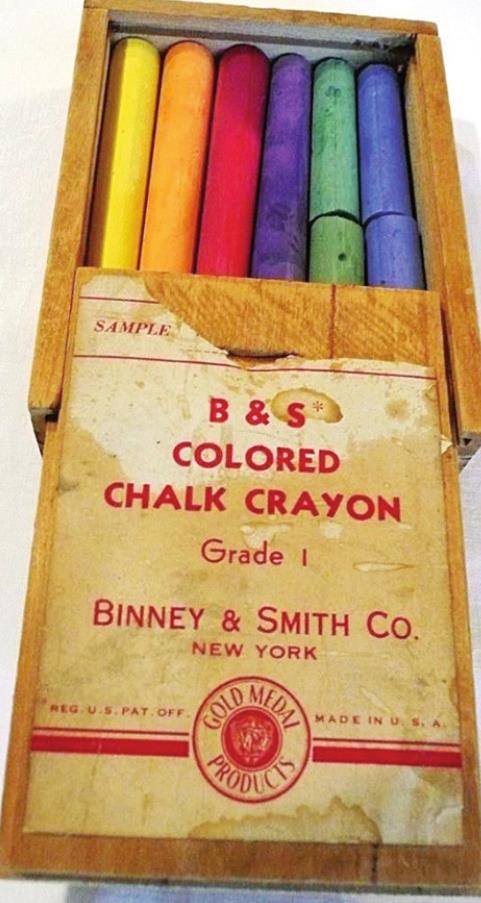
Although black had been already used for tires (coloring them and extending their useful lifespans), the cousins entered their new finding with the title of “carbon gas blacks, lamp or oil blacks, ‘Peerless’ Black” and brought home a Gold Medal Award in Pharmaceutical and Chemical Arts.
Also in 1900, their company added production of “slate school pencils,” (black).
1902: The company makes the first dustless school chalk (with industrial materials) after responding to the “needs” of teachers, and they win a Gold Medal at the 1904 St. Louis World’s Fair.
1903: The CRAYOLA Brand is born, after noting that schools needed safe and affordable “wax crayons.” Binney & Smith produce a box of 8 crayons and sell them for a nickel—BLACK, BROWN, BLUE, RED, VIOLET, ORANGE, YELLOW, GREEN. The same colors today are in the “8 Crayon Pack.”
The CRAYOLA name was coined by Alice Binney (wife) (former school teacher) from two French words that mean “chalk” and “oily.”
1926: Binney and Smith purchase Munsell Color Company’s crayon product line and inherit 22 new colors to add to their own, also adding the “Munsell” name to the boxes.
1934: All the colors are incorporated into the Crayola Gold Medal line of boxes.
1939: Crayola introduces its largest color assortment—“No. 52 Drawing Crayon 52 Color Assortment.”
1949: Crayola introduces the “Crayola No. 48”—48 color crayons in a non-hangable floor box.
1958: Introduction of the 64-color pack that includes the company’s first crayon sharpener, built into the box. (noted as special by the Smithsonian Museum of American History)
This same time marks the first “Crayola crayon color change” from “Prussian Blue” to “Midnight Blue,” since students no longer relate to Prussian History.
1990: For the first time, eight (8) hues are retired— Maize, Lemon Yellow, Blue Gray, Raw Umber, Green Blue, Orange Red, Orange Yellow, Violet Blue are sent to the “Crayola Hall of Fame.”
1998: The “Crayola 64 Box” is re-introduced in its original packaging style, complete with the “built-in sharpener.” A “1958 Crayola 64 Box” becomes a recognized part of the SMITHSONIAN!
2021—Crayola Crayons are still being sold today! And now, as Paul Harvey would say, YOU KNOW THE REST OF THE STORY, which is still continuing!
- Log in or Subscribe to post comments.