
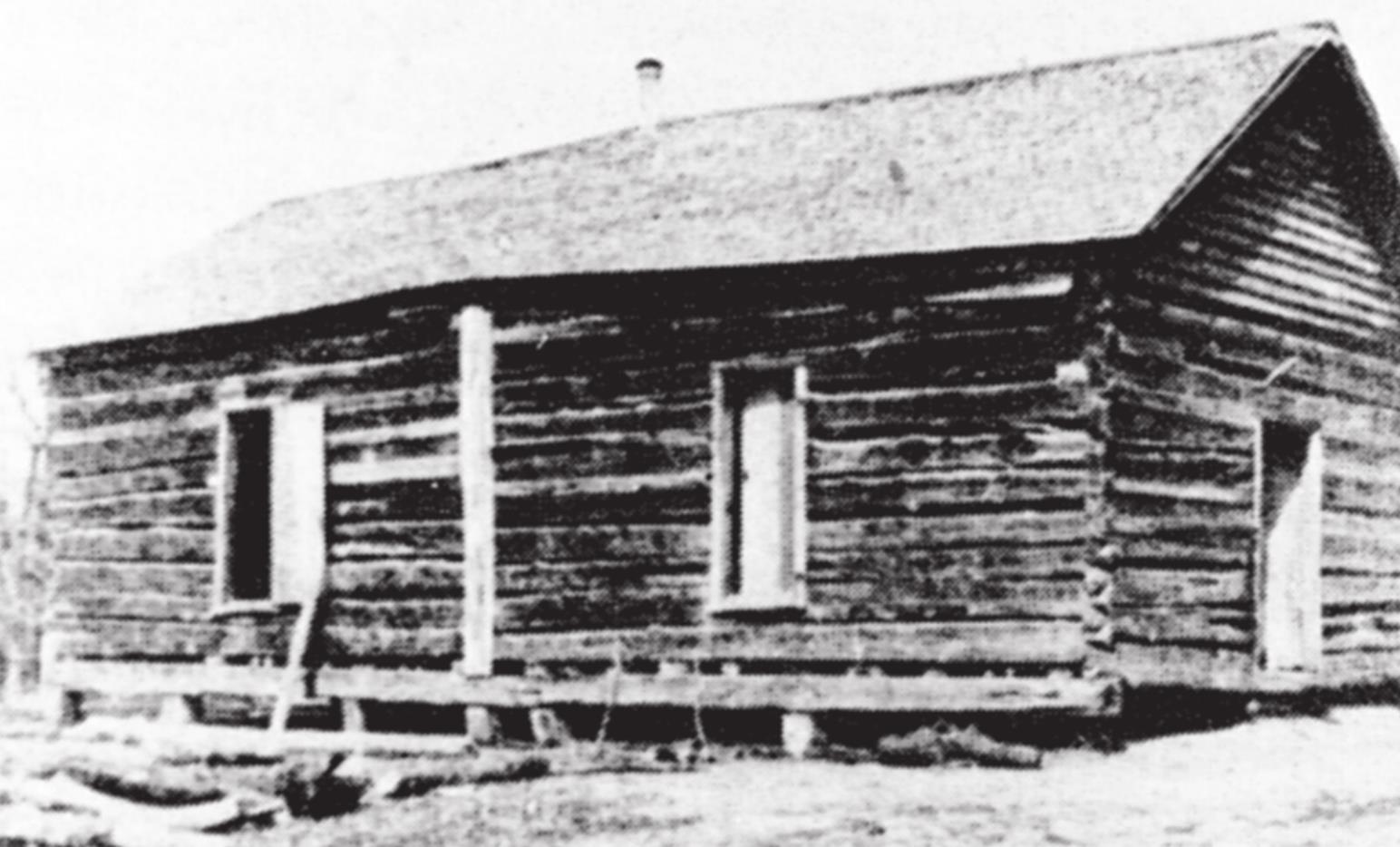
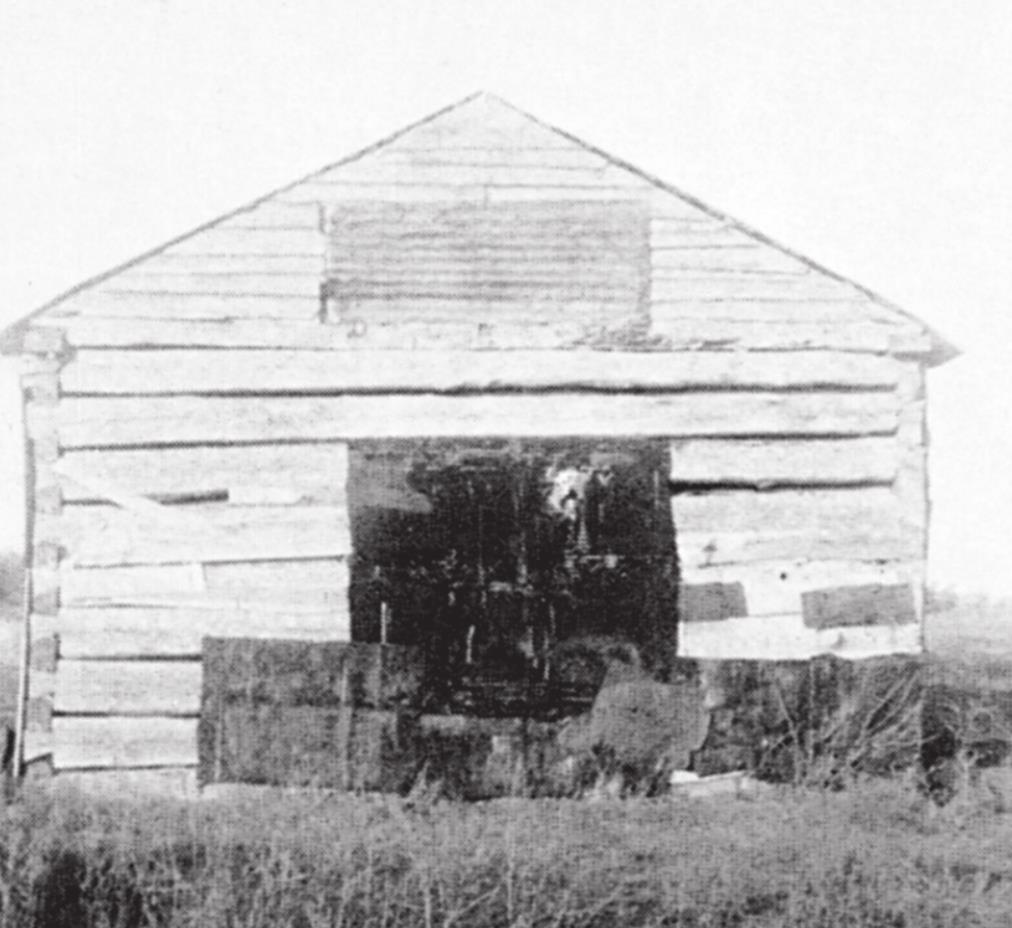
*Let me begin by saying that this article and some to follow are not going to be “rah, rah” and “ha, ha” and “na, na” or collections of grins and excitement. They are going to be HISTORY that I think we need to know and remember. But since they are not going to be “sit on the edge of the chair” entertaining, I will not fill the whole FHPL page with them each week until they are finished. I will try to provide a MIXTURE!*
1839—Three years after the formation of the Republic of Texas, its Congress put forth the School Law of 1839 and began the well-intentioned policy of granting lands for PUBLIC SCHOOL purposes. Thus began the setting apart of three leagues of land for use of establishing a PRIMARY SCHOOL or ACADEMY in each county, with the provision that this “league” might be sold and the proceeds devoted “one-half to the equipment of an academy and the remaining half to the common schools.”
1845—The United States annexed Texas, and Texas was allowed to retain title to the lands.
1848—An act was passed, setting aside annually for the permanent SCHOOL FUND one-tenth of all the revenues of the State.
1858—The Legislature incorporated a “free school association.” In essence, the law stated that any group of persons could establish an institution for educational purposes by forming a corporation with the power to purchase, own, and dispose of real and personal property, not exceeding $50,000.00 (fifty thousand dollars) in value. Shortly after this legislative law, Kaufman County individuals interested in education, churches, companies, and organizations established schools! Unfortunately, records of most of these schools are available only from pieces of information obtained from newspapers, court records, and traditions passed down from generation to generation. (Charters were granted by the Legislature to those schools of higher learning only—in Kaufman County, to Cedar Grove Male and Female Institute on February 9, 1860, under the auspices of the Methodist Church. Kaufman had the Masonic Institute, sponsored by Bloomfield Lodge No. 112 and elected Brother Horton as teacher to begin the first Monday in January, 1855. B. F. Wells was elected Teacher in 1856, as was also W. H. Wislon. The Lodge continued to elect teachers at intervals until 1859, when the Lodge decided to “sever connections with Kaufman Masonic Institute and no longer elect the teachers.”) The Lodge still evidenced interest in education, for at this time a Committee was appointed to “rent the lower floor for school purposes.” As early as 1860, Lewis T. Hawks taught a private school at what was known as the Rushow School House, located a few miles south of the present town of Forney.
Kemp had its “Academy of Learning” as early as 1867 and most likely was supported, or at least sponsored, by the Presbyterian Church, as it was located on property which belonged to the Church, and the building was also used for their Sunday Services.
Reference is made to a settlement of Jeuberville as early as 1854, and other settlements, such as Cedar Grove, Prairieville, Trinidad, and others must have had such schools; however, records that would tell those stories just do not exist! And, as you can ascertain from the above, records that do exist are sometimes somewhat jumbled!
Coming next week: The Indigent Fund.
- Log in or Subscribe to post comments.