
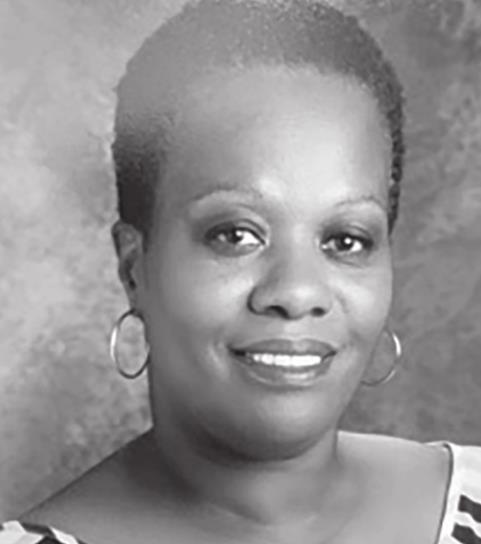
As an educator in the public school system, I was never free to fully be me. I am a straight shooter, I take my role as an educator seriously, and I have little patience for foolishness of any kind in life, but I especially loathe foolery on the job. As an educator, I have the ability to effect the current and future lives of the children I serve. I don’t take that responsibility lightly and I don’t care to work around those who do. In my role as a special education teacher, I encountered many realities I call Uncomfortable Truths.
While I was working in the system, I didn’t have freedom to share Uncomfortable Truths with parents or interested parties. To do so was certain to place me on the fast track out the door. Now that I am out of the system, I openly share Uncomfortable Truths to enable parents to make informed decisions about their children’s learning and to apprise communities of some unfortunate realities of public education. Many educators take exception to the truths I tell and often challenge the validity of my statements on social media or in conversations I am not invited to join. Some of these educators are highly offended when I share Uncomfortable Truths.
A few days ago, I shared on Twitter, a very Uncomfortable Truth about special education services in America’s public schools. For those of you who may not know, special education services are largely theatrics in public schools. Across the nation, disabled students are regularly neglected, denied services, lack materials and are left to fail socially and academically. Many students are entitled to evaluations they never receive or are identified for services that are not provided consistently or with fidelity. Parents are often forced into litigation to secure services for their children spending tens, and in some cases, hundreds of thousands of dollars to secure the Free and Appropriate Public Education their children are entitled to and their tax dollars pay for. Even when parents prevail in court, services are still neglected. This is a fact, and it is a persistent, decades old problem. A review of the U.S. Department of Education’s own data reveals the deplorable academic condition of our nation’s disabled students.
Twitter critics insisted my assertions did not apply to the schools and districts where they worked. Most of them touted how wonderful, caring, selfless and hardworking their special education colleagues are, completely ignoring the data, teachers and affected parents who sustained the validity of my claims. I asked them to share a link to the data that supported their position, but no one could. Such data does not exist. I pulled the district data for a particularly vocal critic to show her the contrast between her perceptions and reality. Her Blue Ribbon campus reported only 10% of disabled students meeting academic expectations. Statewide was 14%. I believe these educators took offense to my statements because my statements clashed with their reality. No one wants to believe their utopia is not what they think it is. We all want to believe the worst always happens somewhere else. The problem is, when we fail to examine honestly, education outcomes, human beings and their futures are being adversely affected.
While I would like the admiration and respect from teachers around me, I am more concerned about disabled children in a system that will not serve them. I’ll trade peer admiration for parent information any day. If one parent makes the right decision for their child because of information I’ve shared, we both win.
Email comments to FM-TeachersLounge@gmail.com
Follow me on Twitter @DrTeresaSanders
Check out my blog at www.TeresaESanders.com
- Log in or Subscribe to post comments.