
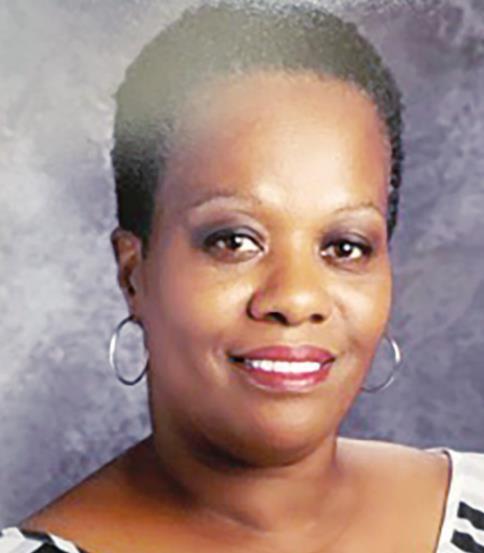
Having left the public school system before the arrival of COVID-19 and the subsequent school closures that followed, I am very interested in the progress of our nation’s public schools. My interest is primarily focused on trends and practices that directly impact instruction and student achievement, and education data that reveals how current practices are helping or hindering our students’ social and academic growth.
It doesn’t take the intellect of Albert Einstein to realize the last year of instruction is not likely to net social or academic outcomes that will support optimal achievement in the classroom. The indecision around opening campuses, confusion and contradicting information related to COVID-19 vaccinations, and infection potential for students and teachers has served to further hinder the full, unencumbered return of our students to the classroom.
As the decision-makers still ponder what to do, our children who continue to receive instruction online are not getting the support and quality of instruction they could receive in the classroom. I am sympathetic to the plight of the public school system having to deal with the social, academic and fiduciary costs and responsibilities that came with the pandemic. However, the sympathy I feel for the system is sec ondary to the needs of our nation’s students. While this pandemic persists, our students cannot continue to serve as guinea pigs as public education administrators try to figure out how they want to proceed with instruction as we end the school year.
I cannot sit quietly while kids fall farther behind socially and academically. Many parents need the system to establish measures that allow for students’ safe return to school. My concern is, while the social, political and health kinks are being worked out, the quality of education services is diminishing every day. The decline is unacceptable and cannot be allowed to persist. I am not confident that public education will ever regain equilibrium after being further ravaged by the pandemic. Remember, prepandemic academic outcomes were not impressive.
We should be creating education platforms that serve students more effectively and holistically. The obstacle to success is, of course, money. Not the availability of money, but the willingness of education leadership to redirect money from unproductive expenditures, such as the several billions of dollars spent on standardized testing, to innovative options that meet students’ needs.
This year, Dallas ISD is spending about $400 million on standardized testing. The test results will not be used to establish campus or district ranking, nor will they influence student promotion, retention or graduation. Yet, Dallas ISD will still spend millions to test students who have lacked proper preparation for a test that will only serve to reveal what we already know: students did not learn much this year. Campuses nationwide are full of innovative thoughts and ideas that are held hostage by politics, tradition, nepotism, cronyism, greed and apathy. Students pay the ultimate price presently, and in the future as public education continues with the status quo.
Fortunately, education alternatives are on the rise as parents, teachers and community members who are weary of the “business as usual” mentality of America’s public schools seek and create innovative options for students. Even as tax dollars are taken with very little given in return, many families are opting to pay out of pocket to ensure their children learn, grow and develop into educated, productive, responsible citizens. The monopoly once held by public schools is slowly crumbling. Considering the pre and postpandemic performance of our public schools, that is a good thing.
Follow Me on Twitter @DrTeresaSanders
Check out my blog @www.TeresaESanders.com
- Log in or Subscribe to post comments.