
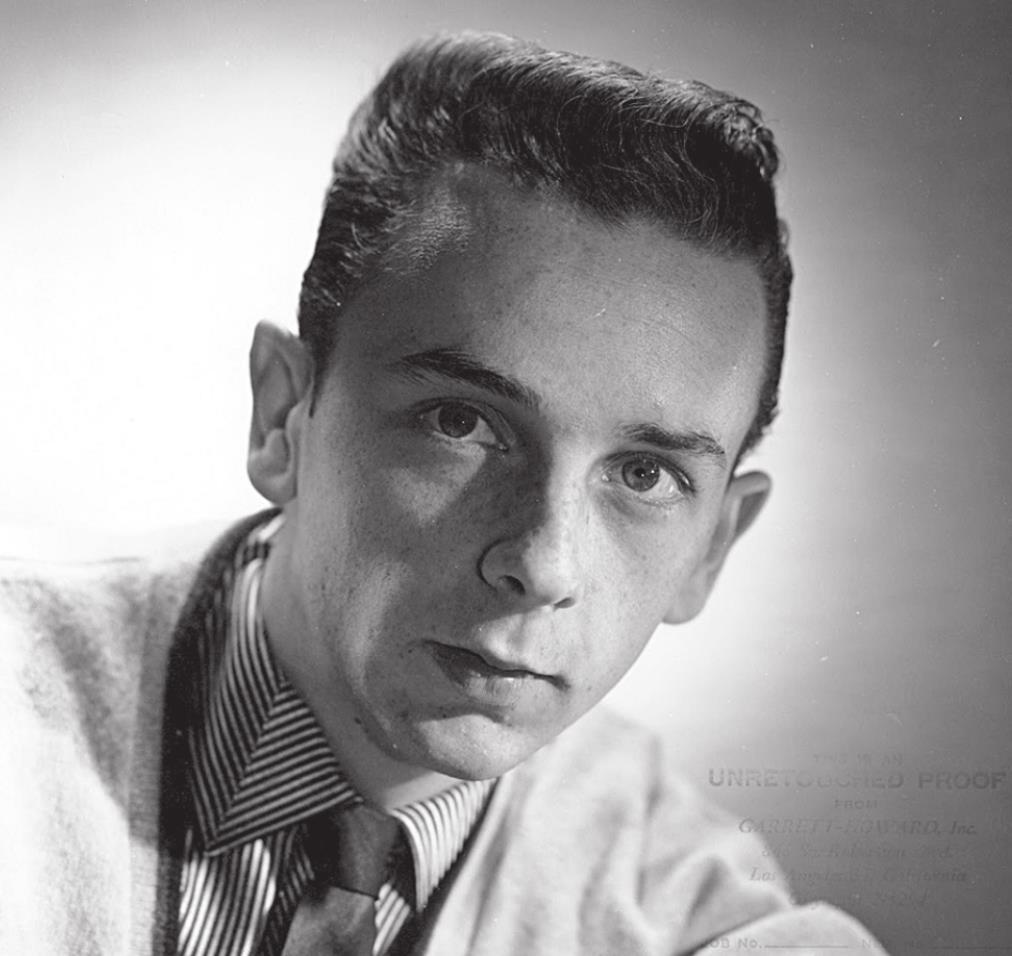
The above words by Ronnie Spector succinctly sum up the life of her former husband and producer of some of her great “hit music” with “wit, passion, and intelligence,” as so many of his former associates would, and still will, submit as “gospel,” when remembering PHIL SPECTOR. Ronnie also said, “I still smile whenever I hear the music we made together, and always will. The music will be forever.”
Before I really paid much attention to the music on pop radio stations, this man was already building his iconic reputation, and as I journeyed through my teens and twenties, even “sports-minded” Themer knew who Phil Spector was and what he did with music and, unfortunately, with his own life and the lives of others.
1939—Born in New York and moving on to California during his early teen years, Spector had a tumultuous family life and fared little better at school and in public.
BUT—MUSIC was a different story already before he graduated form high school and then after, as he went to college to (at that time) become a court reporter! He reportedly had “perfect pitch” and easily learned to play well several musical instruments by the time he was twenty years of age.
Around 1958, he paid his own way to record his own “record” that was inspired by the inscription on his father’s grave—“To Know Him Is to Love Him.”
The singers were known as “The Teddy Bears,” and this song took a while but finally made it all the way to #1 on the charts, selling more than a million copies and giving Phil the respect and name he needed.
He was a guitarist and vocalist, plus being a producer!
When this group’s popularity dwindled and died, it was on to New York to team with and form alliances with record veterans with business expertise and several name stars in the “singing” world, including one of my favorites—Carole King.
A well-known figure, Lester Sill, helped Spector move on and up all the way to producing three top-ten hits you might remember as well as I do—“Corrine, Corrina” (Ray Peterson); “Every Breath I Take” (Gene Pitney); “I Love How You Love Me” (The Paris Sisters). His first #1 produced hit was “He’s a Rebel,” credited to a group, called “The Crystals.” (I won’t tell people how old you are if you remember all these!)
Phil Spector always maintained a group of special “studio musicians” to use for recordings, because he always believed that “Songs and Productions take first place over the musicians who perform—artists or regulars.” (paraphrased). And he was usually described as “driven and demanding;” fortunately, he enjoyed writing about a theme that has remained important to musicians through the ages—YOUTHFUL LOVE!
1963—A Christmas Gift for You from Phillies Records—considered by many “experts” to probably be the finest “multi-artist” Christmas record of all time.
It was unfortunate that Spector was not nearly as functional or successful outside of the recording and producing that he so loved.
1964 saw things not going nearly so well, but “back he came” around 1965 with the Righteous Brothers and their iconic “You’ve Lost That Lovin’ Feelin’,” which many music experts say is probably the “most played song in radio’s history.”
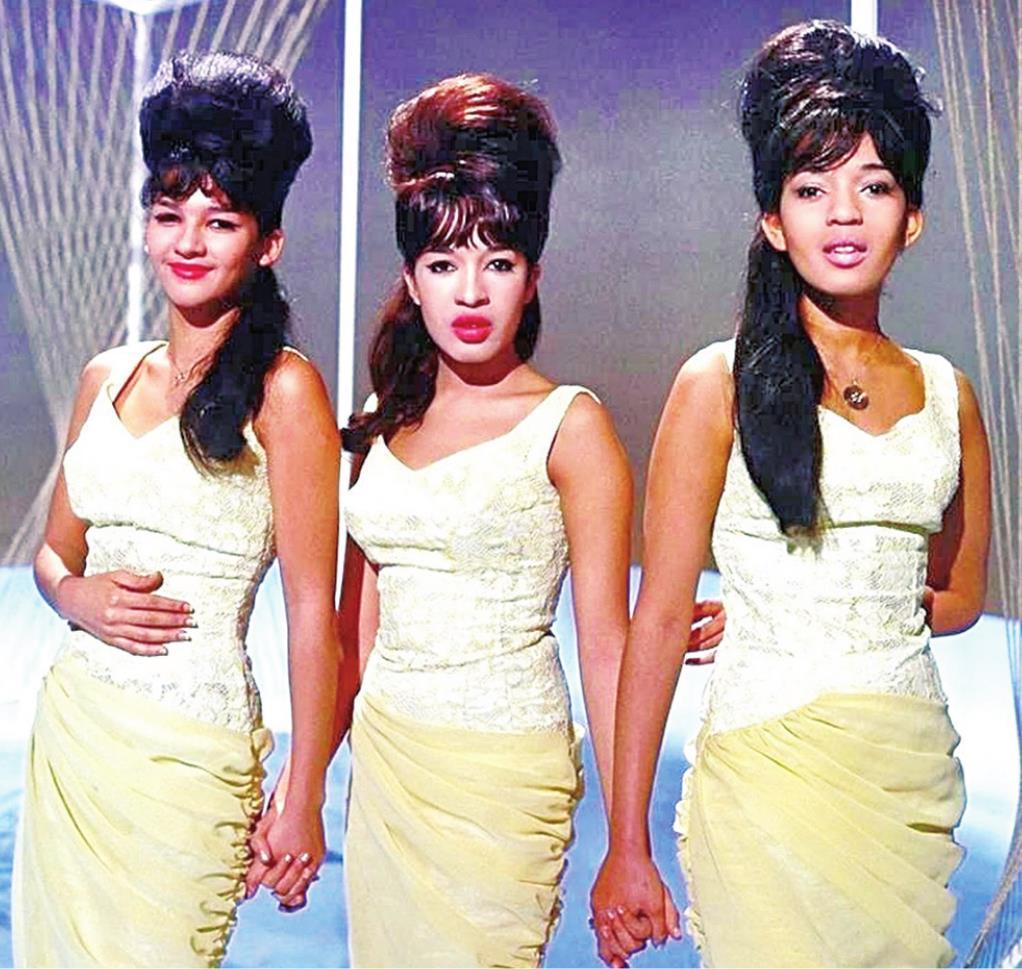
His marriage to Ronnie lasted from 1968 until 1974! She was part of “Ronnie and the Ronettes,” an American “girl group” from Spanish Harlem in New York—Lead Singer was Veronica Bennett (later Ronnie Spector); the other two members of the trio were Estelle Bennett (sister) and Nedra Talley (cousin). Their famous iconic song was “Be My Baby.”
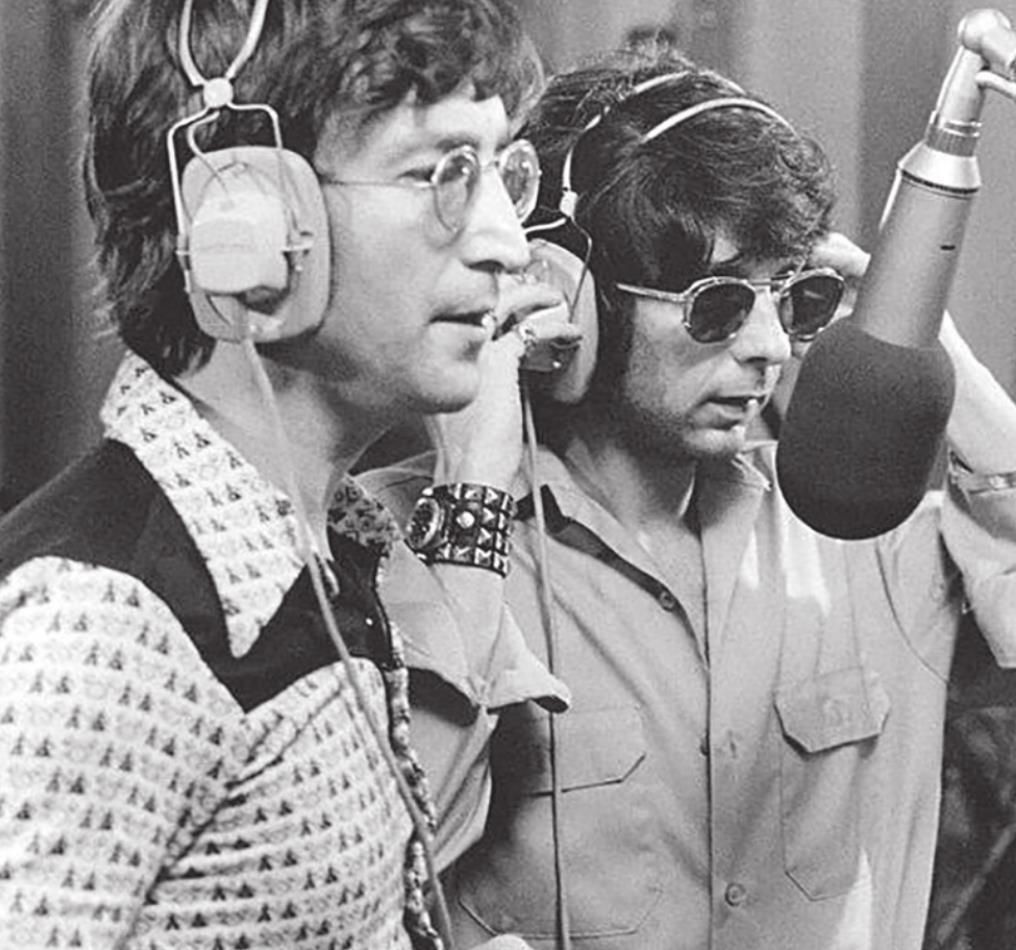
In the early 1970s, he collaborated with the Beatles and was probably the reason “The Long and Winding Road” was a success! And after that success, he stayed on and worked with the Lennon and Harrison for a while. He produced the album, Let It Be, by the “Beatles.” He also was responsible for “My Sweet Lord.”
As time passed, he also worked with Cher, Dion DiMucci, and Darlene Love and produced an album yet in about 1980, End of the Century, by the Ramones.
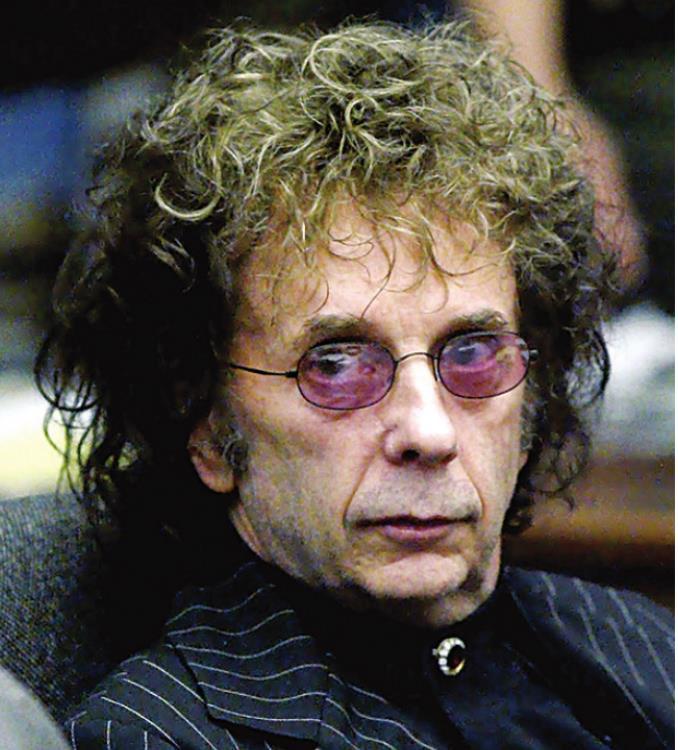
1989, he was inducted into the Rock and Roll Hall of Fame (and later the Songwriters Hall of Fame), but things began to and continued to unravel with his life until in 2003, he was arrested for murder. The legal system moved slowly, but after investigations and one mis-trial in 2007, he was sentenced to prison in 2009, where he remained until his death at 81 years of age from natural causes in a hospital this past January.
Although his life was littered with problems, he will probably be longer remembered for his masterpieces of writing and production and his intense drive towards artistic music perfection. And, he never did completely “lose that Lovin’ Feelin’” for music!
- Log in or Subscribe to post comments.