
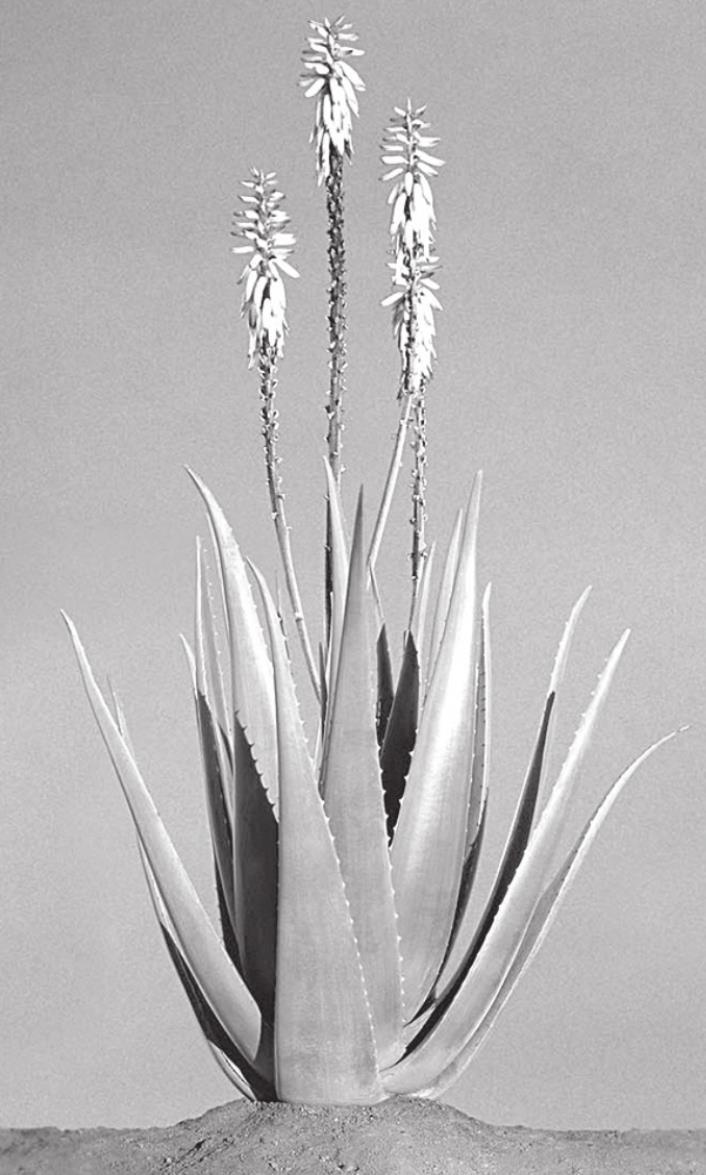
For most of my life I have heard the above advice but did not take it seriously until the past years of retirement when I have had more time to work outside and suffer various “dings,” scratches, bites, stings, burns, a possible snake bite, and various rashes. I must admit that I have not used the “miracle stuff” recently, because my supply died from too much attention, especially watering in a container that did not drain well, but just the other day I happened across a “blurb” on the internet, extolling the virtues of this WONDER PLANT. Allow me to share what I have experienced and what I have learned by listening and reading.
1. The plant is a succulent, which means it has the characteristics of having parts that are fleshy, thickened, and engorged so as to retain moisture inside, especially in dry areas or (in the cases of casual growers) at times of little watering, either naturally or by a planter. Often the plants have what appear to be “waxy” coatings on stems and leaves/lobes. Examples are various types of sedum, cactus, or jade plants.
2. The plant grows best in bright light and well-drained soil. Fertile planting/potting mixes of soil are best, but most types of soil will work at least adequately.
3. Watering should be thorough and hearty, but then the soil should be allowed to become completely dry before re-watering.
4. A little fertilizer every three or four months is often helpful but not exactly necessary.
5. The plant can be grown indoors or out, but it seems to do much better outside in the bright light, except during freezes. It can be grown in containers on window sills, patios, or gardening areas or just right in the natural “ground” areas of gardens or flower beds.
If you grow it in the kitchen or near your outdoor grilling area, it will be handy if you burn yourself, for burns seem to be its “specialty healing area.”
Sometimes, if growers are “lucky,” the aloe vera will produce yellow flowers on a spike or stem. (I have had this happen only twice that I remember—once indoors and once out.)
6. The “literature” has suggested that ALOE can improve baldness, skin issues, and wound healing. It is used topically and orally. TOPICALLY (on the skin) SUPPOSEDLY can help acne, lichen planus, oral submucous fibrosis, burning mouth syndrome, burns and radiation-induced skin toxicity, herpes simplex, psoriasis, and diabetic foot ulcers. Orally (by mouth) SUPPOSEDLY can help for weight loss, diabetes reduction, hepatitis, and inflammatory bowel disease—and as a general health aid. Keep in mind that the plant is a perennial evergreen and grows “wild” (naturally) in tropical and semi-tropical areas, even if they tend towards being arid— as long as there is sufficient periodic moisture! Mine have done the best when I have sheltered them or brought them indoors when freezes are in the forecast! And, they have done better when I have tended to sometimes forget to water them rather than remembering too often!
WARNING—WARNING: Although topical use has caused very few side effects or irritations, oral use has caused quite a few complaints from minor to very serious! THEREFORE, always consult a doctor before using this plant as a “medicine,” in any shape, form, or application, and always tell your doctor if you are using aloe vera when you go for a check-up! I have only used it topically!
- Log in or Subscribe to post comments.