
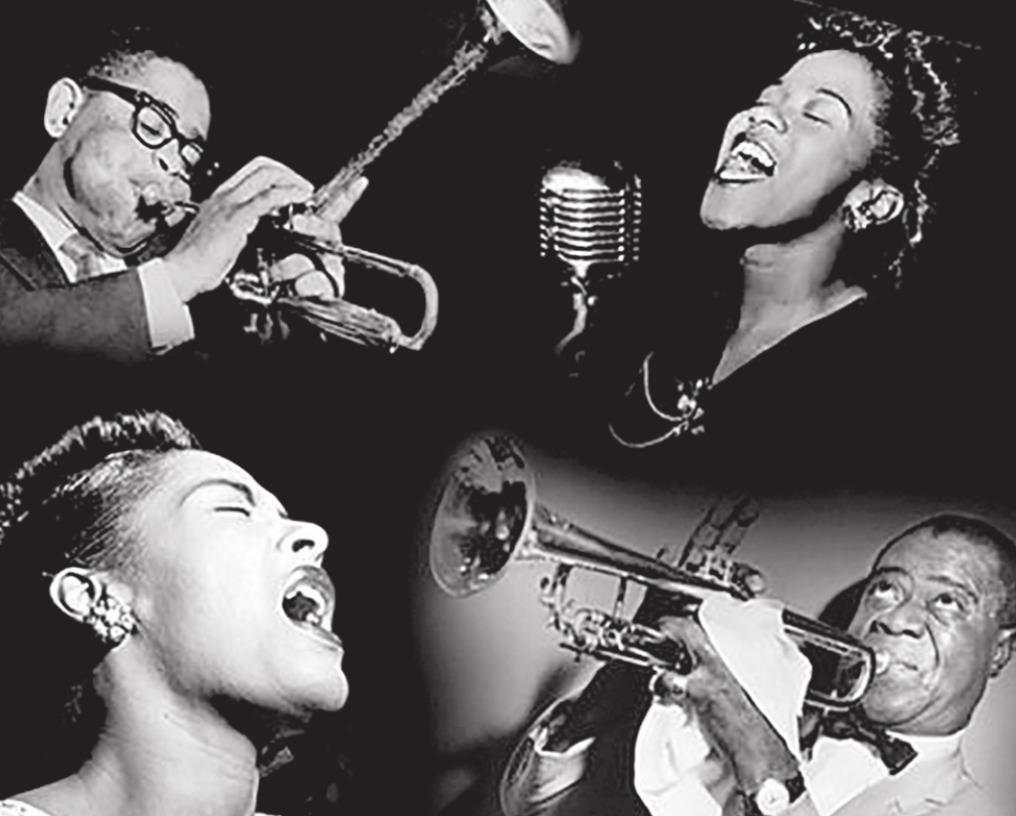
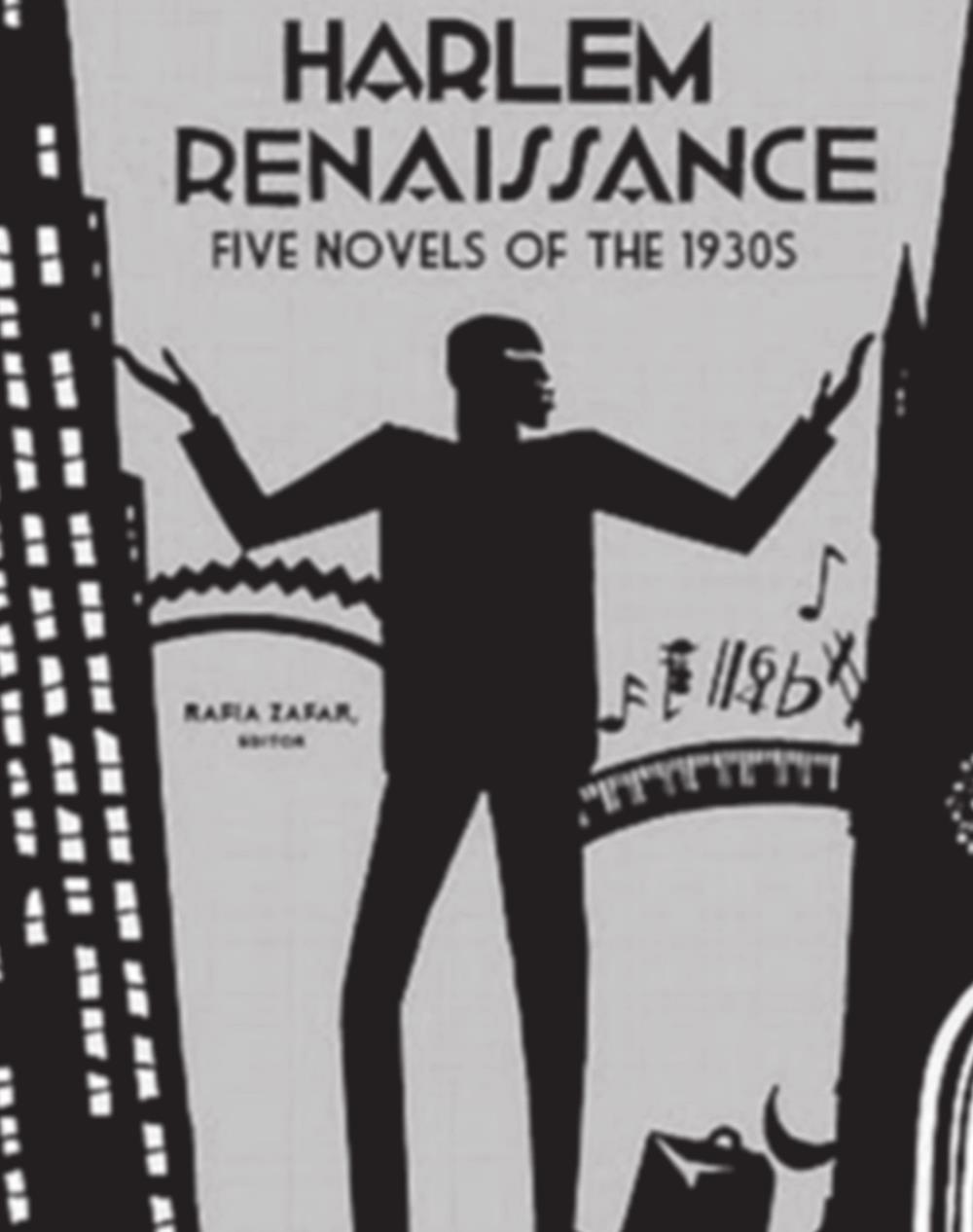
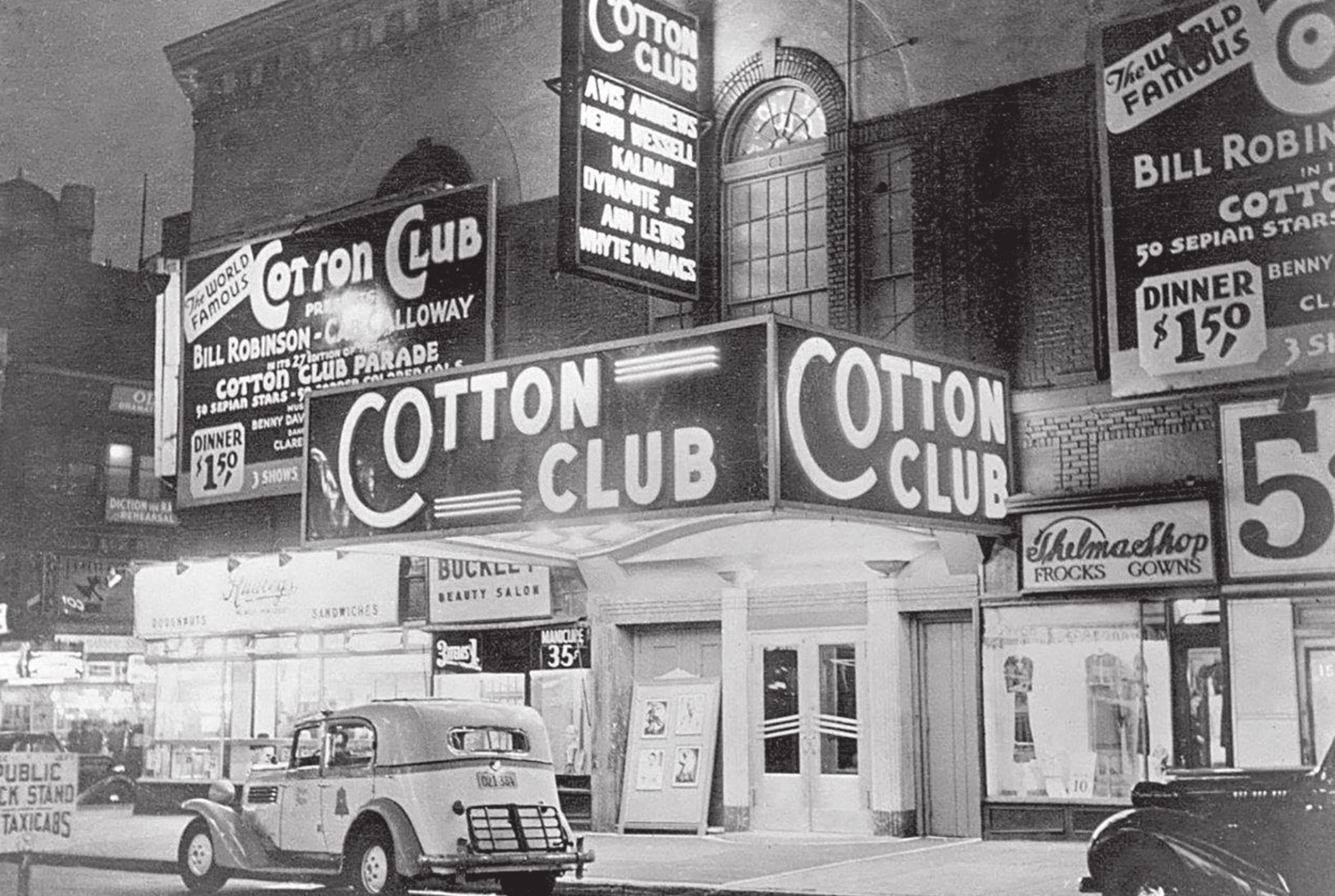
I don’t know if either of these words is the “best” to put together to describe an important literary “ERA” of the early 1900’s, but I have never come up with two that are totally more descriptive and correct. If I had, my name might now be in literature books!
Definition: 1918—1930s, a blossoming of African-American culture, especially in the “Creative Arts”—musical, theatrical, LITERARY, visual—which sought to set apart “Negro” or “Black” heritage from common stereotypes that had long held back or trivialized this heritage from “total heritage.” This literary cultural movement tended to reject traditional “American” standards of creativity (writing) and to utilize each writer’s own personal style of creating (writing) to point out/glorify individual cultural identity. *Note—This movement did not seek to reject all other styles as being less or un-important but wanted to point out the importance of “African-American” or “Negro” styles and perpetuate them, too, so that this culture would not be lost or destroyed!
Keep in mind that this movement was more a cultural and intellectual REVIVAL of (Renaissance means “re-birth.”) music, dancing, fashion, art, theatre, politics, and especially in my mind, LITERARURE during the 1920s and 1930s. To try to narrow the starting points, let’s just say for ease of locations, point to Manhattan, New York City, and especially HARLEM, a sort of “Black” cultural “mecca.” And to some, it was called the “New Negro Movement,” spreading to many urban areas of the United States—especially to Midwestern and Northeastern urban sections.
The movement never stopped, but at some times it seemed to slow, and at others it seemed to be assimilating enough that it was no longer a separate part but a portion of a whole tradition! In my opinion, success comes when all parts join together to form a whole “thing” and not just become isolated celebrated parts!
In my opinion, one man who most epitomizes the idea of a “leader” and “icon” of this Renaissance is Langston Hughes, writer of plays, essays, short stories, POETRY, and even more! His writings at that time about celebrating African-American culture and spirituality and decrying racial injustice became increasingly popular and were used as starting points for many discussions.
Let’s look at a short sampling of his style in five lines from his first book of poetry—The Weary Blues— that show us a picture of a man, sitting at a piano and playing jazz, depicting a sense of musical “mourning.” We call this style of music, “THE BLUES.”
“And far into the night he crooned that tune.
The stars went out and so did the moon.
The singer stopped playing and went to bed
While the Weary Blues echoed through his head.
He slept like a rock, or a man that’s dead.”
If you made it through this technical information and enjoyed the sampling of the poetry of Hughes, you made an “A” today. Please read the next article that will be nearly all “application, interpretation, and enjoyment” and not very much “brain spraining” as my freshman friend from Terrell said his first year at East Texas State University. Now what was this era or movement called? It was “The Harlem Renaissance.”
- Log in or Subscribe to post comments.