

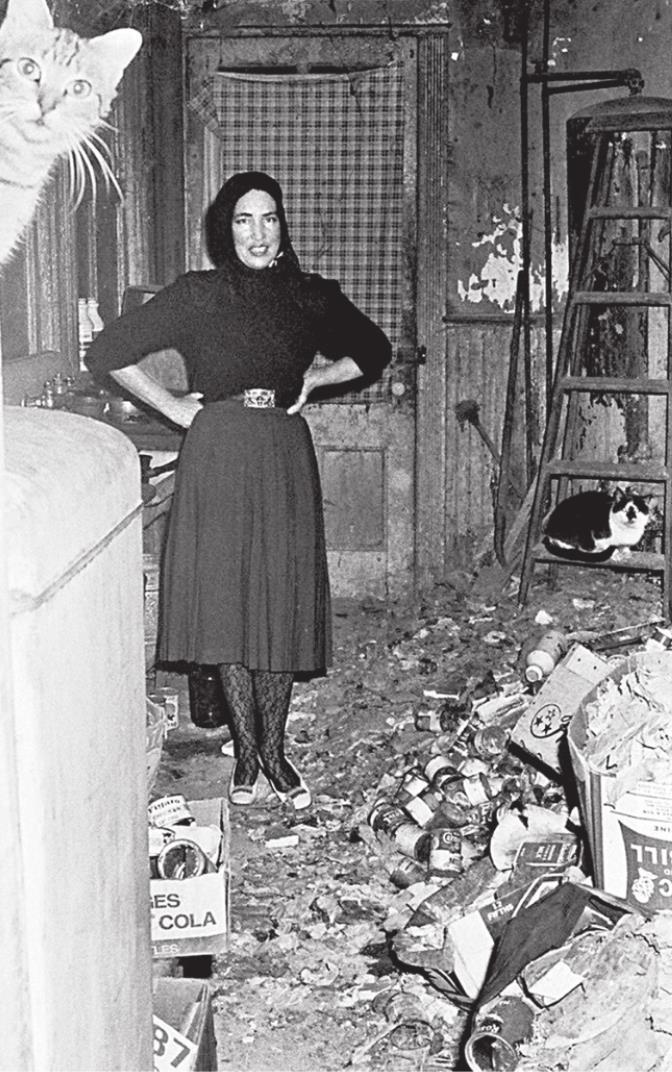
I realized, very young, that my family did things a little, well, differently. We didn’t burn bridges. We didn’t even close doors that well. Take houses, for instance – actually don’t take them, just repurpose them. Once my father bought the old church in Pleasant Grove, right down from Charco Broilers, where the big bull was up on the roof of the building, and moved it out to the no man’s land between Seagoville and Combine (to use as a house), we didn’t get rid of the single wide trailer home with the bronze appliances and the midcentmod linoleum. We just used it for “stuff.” If Daddy was looking for his professional bacon slicer, ‘cause who doesn’t prefer their bacon in whole hog form, he needn’t look any further than the trailer. When Momma’s portable/ inflatable hair dryer bonnet went on the fritz, meaning I was a 6 year old child with a wet head full of brush rollers, she just summoned for her official beauty shop hair dryer chair with the huge plastic pull down dome and the brown naugahyde seat. After all, it was just in the trailer. Similarly, I recall my Aunt Johnnie’s house, but not her real house, mind you, just her first house – the one with all her stuff. I can’t remember what we were searching for that day, but I was haunted by all the antique furniture draped in white sheets. “DD, watch out for that floorboard over there. See the one that’s bucklin’ up? It’ll give way if you step on it.” Yes, there were actual holes in the floor of Aunt Johnnie’s “stuff” house. I was convinced hobgoblins were lying in wait, their gnarly knuckled twisted hands reaching out for the ankles of yummy tasting children. Yet, I wasn’t as scared as I was mesmerized by what those places held: stories, emotions, pleas born of the fear of being forgotten. Thus began a lifelong addiction to all things old & decrepit, objects with chippy peely paint, once loved things left to decay in dark corners, and, most especially, falling down and often abandoned houses. In the 80’s, during one of my failed community college stints aimed at becoming the next Frank Lloyd Wright, I found both kinship with like minds and a 70’s documentary with a cult following. Welcome to Grey Gardens.
The first words I recall hearing Little Edie Beale say in her Mid-Atlantic accent, the one spoken by only actors and aristocrats such at the Bouvier family, which she was from, was simple. “Winston is missing.” See, Edie Beale and her mother, Edith Beale (hence the designation of Big & Little with the Edie nomenclature) were born into American royalty. Big Edie was the aunt of Jackie Kennedy Onassis. The accent is crucial. It sets the scene for what I’m about to tell you. Big Edie was an aristocrat. She threw lavish parties. She had a summer home. She had a namesake daughter who was rumored to be even more beautiful and more charming than America’s Camelot princess. If you can’t find the clip of Jackie O chatting with reporters about the furniture in the White House, watch any Katherine Hepburn movie. It’s a learned accent: a little Boston, a little British, a little Hamptons, and a lot of expensive boarding school. It’s an accent we don’t hear any more. But, back to the Edies. Big Edith ran afoul of her husband, who left her to wallow away in their summer home on East Hampton, Grey Gardens. Big Edie’s husband assumed she would sell the property and use the earnings to fund a simpler life. Instead, she summoned for Little Edie, a former debutante pursuing a modeling/ acting career with Macy’s in New York, to return home, in 1952. They, literally, never left until Big Edie’s death in 1977. Other reports say Little Edie developed alopecia and returned home due to her lost modeling career. Still other reports say she climbed a tree and set fire to her hair. We’re getting there.
In 1971, after scathing reports from neighbors, police raided the Beale home to find deplorable conditions. The 28 room house was full of trash and tiny walking tunnels. Entire walls and sections of ceilings were falling down. Beautiful antiques were invisible under cloaks of decomposing newspapers and layers of cobwebs. Human and feline excrement filled most rooms. There were raccoons living amongst the Beales and the cats (including Winston, who really was missing for a bit), bereft of things like electricity and running water. The Edies ate room temperature food from questionable cans. By then, Big Edie, once a beauty in her own right, was bedridden and bedraggled. Little Edie, still prone to spontaneous Broadway dance numbers, roamed the property in costumes to suit each day, often sporting bathing suits with tights and skirts made into head wraps. She threatened to leave her mother to fend for herself, wishing for the bright lights of the stage again. A $30,000 home improvement bailout from the former First Lady caught the attention of novice filmmaker brothers, the Maysles, who filmed the Edies for over 70 hours, producing the 1976 film, Grey Gardens, considered a masterpiece of the derelict home genre. A 2009 HBO attempt at recreating the documentary as a drama starred Drew Barrymore as Little Edie, who, surprisingly, nailed the Mid-Atlantic accent, ‘cause, duh….she’s a Barrymore.
If you can’t tell, I’m obsessed with this riches to rags story. Was there an underlying theme of mental illness, or were the Edies just determined to stay and watch their world collapse as a middle finger to the life that was taken from them? We’ll never know. Side note: after her mother’s death, Little Edie returned to Manhattan for an 8 day run in her own ill-reviewed burlesque show, at age 60. Take that, world. Here’s to houses full of old stuff and the people who love them. Watch the documentary. You’re welcome!
- Log in or Subscribe to post comments.