
Keep in mind that this article is being written by a man of 100% German heritage (ethnicity), whose forefathers and foremothers came to the United States to get away from the rules of the two Kaiser Wilhelms and to support the Democracy of our great country, which also immediately became theirs. Therefore, my knowledge of tamales has been all “American” fostered!
Christmas Time and Tamale Time go hand-in-hand, and this year I did not have any in my stomach, hands, or even refrigerator! And, I guess my Sons did not have any either, because they came to the hacienda on Old Military bearing none! And where were Marty, Harry, Tony, Robert, Sam, Roland, Natalia, and Lawrence when I so needed them?
Just what is a TAMALE? Answer: Different things for different folks, depending upon your distant and recent family backgrounds!
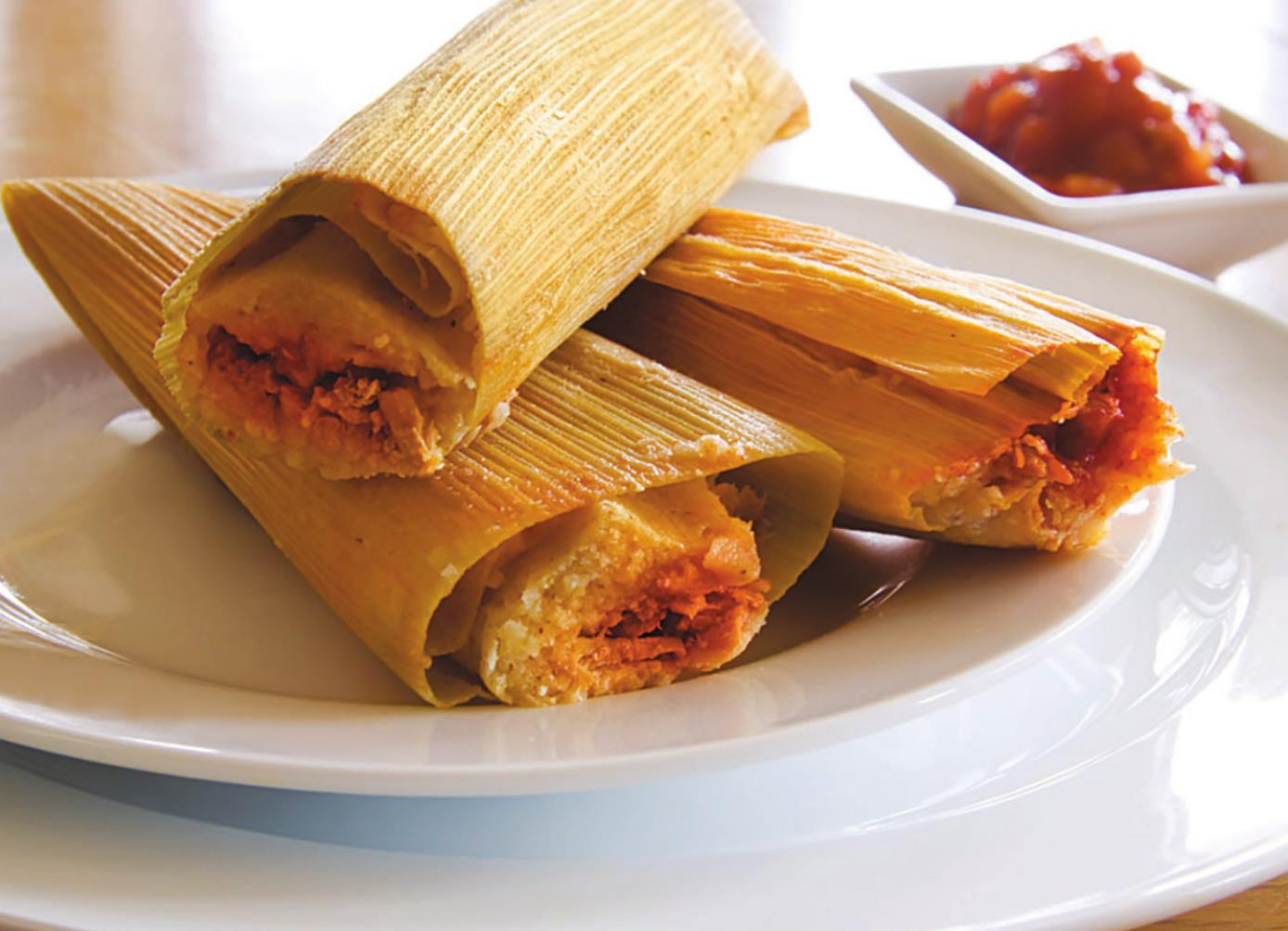
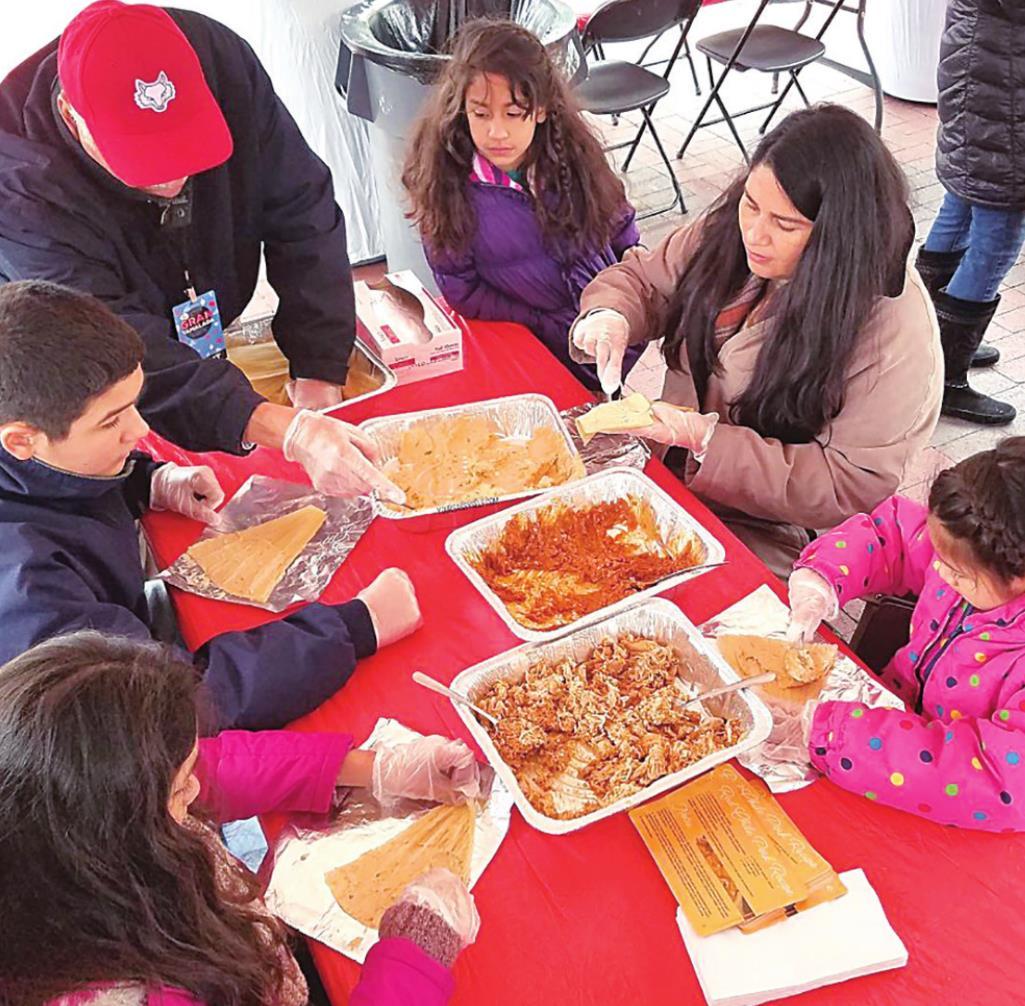
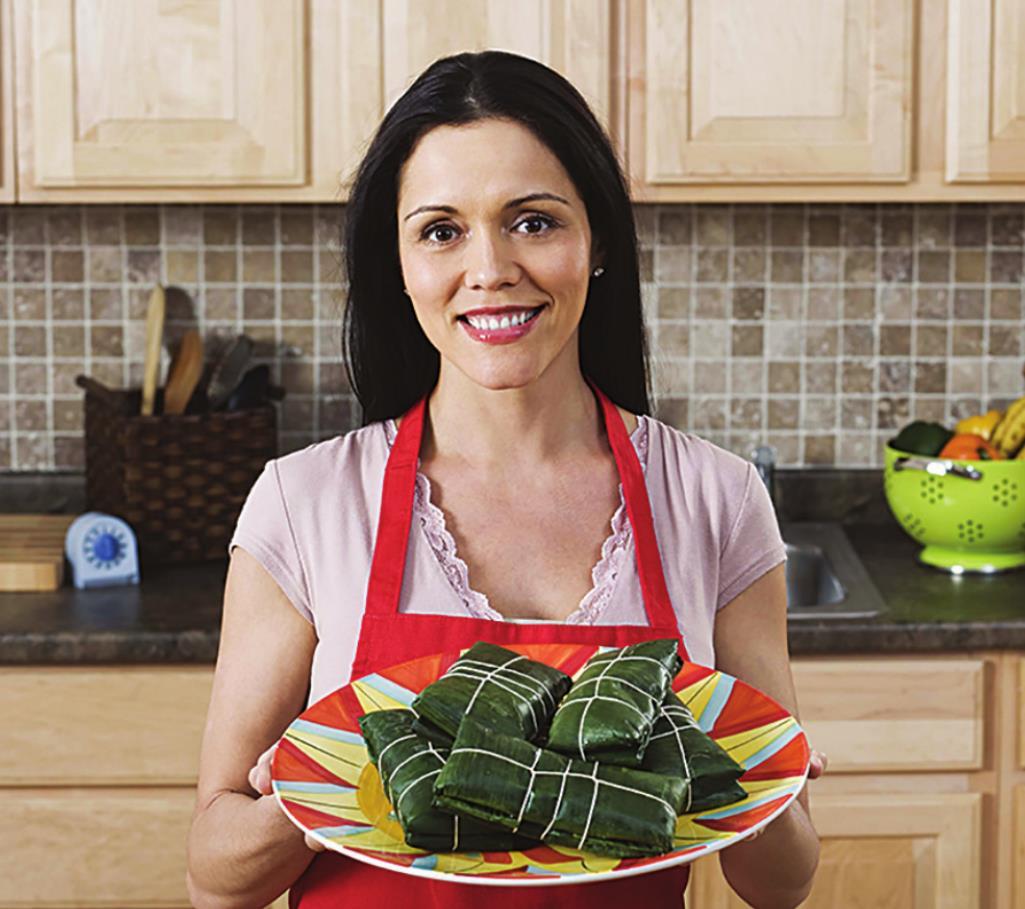
Southerners of Latin American heritage probably think of them as “tender dumplings, wrapped in leaves” and made at family gatherings, called “tamaladas.” However, the “wrappers “ can vary from fresh or dried corn husks, banana leaves, or maxan leaves. The “dough” can be corn, potatoes, plantain, rice, malangas, sweet potatoes, white yams that might be flavored with cheeses or herbs. If more fillings are desired, they might be pork, turkey, chicken, beef, seafood—or prunes, almonds, pineapple, olives, capers, raisins.
Now, I bet most of you are saying: “That is way too much information for what we eat here in Forney, Texas,” and I basically agree and will admit that I augmented my information a “tad” for the above section by getting some information from Southern Living.
I read that in El Paso, special Christmas Eve meals featured “hand-made” tamales, “notably the pork ones with el guisado and slathered in red sauce,” served by the grandfathers and grandmothers and older uncles and aunts and mothers and fathers, who are now gone!
I read that in Canutillo, an eatery called “Tamales Lupita,’ can’t keep up with the demand for tamales, both on premises and on-line for home delivery.” And more and more as I read accounts of the demand for tamales being overwhelming, I see that effects of the Pandemic hold much of the blame, as the relatives who know the secrets of the “special tamales,” are being lost—forcing younger seekers to turn to commercial establishments.
And, the idea of LA TALAMADA (the family gathering to build tamales), defined earlier, is a key ingredient of great tamales. The extended family would gather to soak corn husks, prepare pork meat, chicken, or other fillings, and add HATCH CHILES from nearby New Mexico. Then, they stuffed ingredients into the thick corn dough, masa, wrapped it all inside corn husks, and steamed them over gigantic boiling pots of water. (Much of this is the memory of poet, Benjamin Alire Saenz, who still makes tamales for his close friends, even though his Mom, Eloisa, is no longer with the family.)
And across the state line at La Primera, one owner, Carlos Favela, has customers “call to get recipes for tamales since the matriarchs and patriarchs of the families have been lost to COVID.”
And now, back to Don Themer, whose first taste of a tamale was from a T. V. Dinner that his Mom heated up in the oven. He remembers scraping the refried beans from the sides of the “cardboard” container, which came steaming out of the 350 degrees oven, and wishing there were more tamales and fewer beans!
A few years later, I began eating the “Mexican food” that was served at local restaurants and then moving up to El Fenix and El Chico and then on to the proliferation of mostly “Tex-Mex” restaurants all around our areas.
But then came one time being with someone who stopped at a pick-up truck, parked at the end of a long drive-way that led to a farmhouse off Malloy Bridge Road on the way home from Seagoville or Ferris. He bought two dozen tamales from an old man with a sign that said, “homade tamalies,” and who proclaimed that his “sort of wife” made them fresh each week-end day.
H. S. and I each ate four on the way home, and I was “in tamale heaven.”
Then, while I was a teacher, I sampled the tamales made by Spanish Teacher, Rebecca Flores, and I was in “second tamale heaven.”
Later for years, I ate those made by Mrs. Quintero and Mrs. Rivera, Moms of some of my favorite students back in the “old days.” And, I was in “third tamale heaven.”
Continuing happily, even during recent years, there has always been someone selling home-made tamales at one of the banks, or by word-of-mouth, or on-line, and we would have them at the Smith Christmas.
But not this year! The Pandemic has put a “pause” in our extended-extended Family get-togethers, and I have not had my 2020 TAMALES.
I certainly hope I have not doomed myself to a year of “bad luck,” since I missed such an iconic and almost sacred holiday tradition!
- Log in or Subscribe to post comments.