
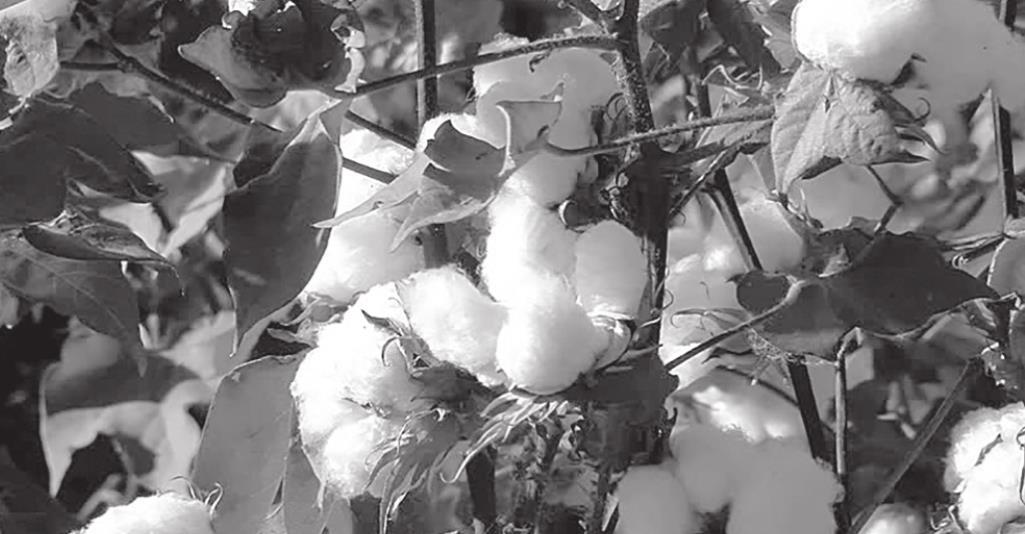
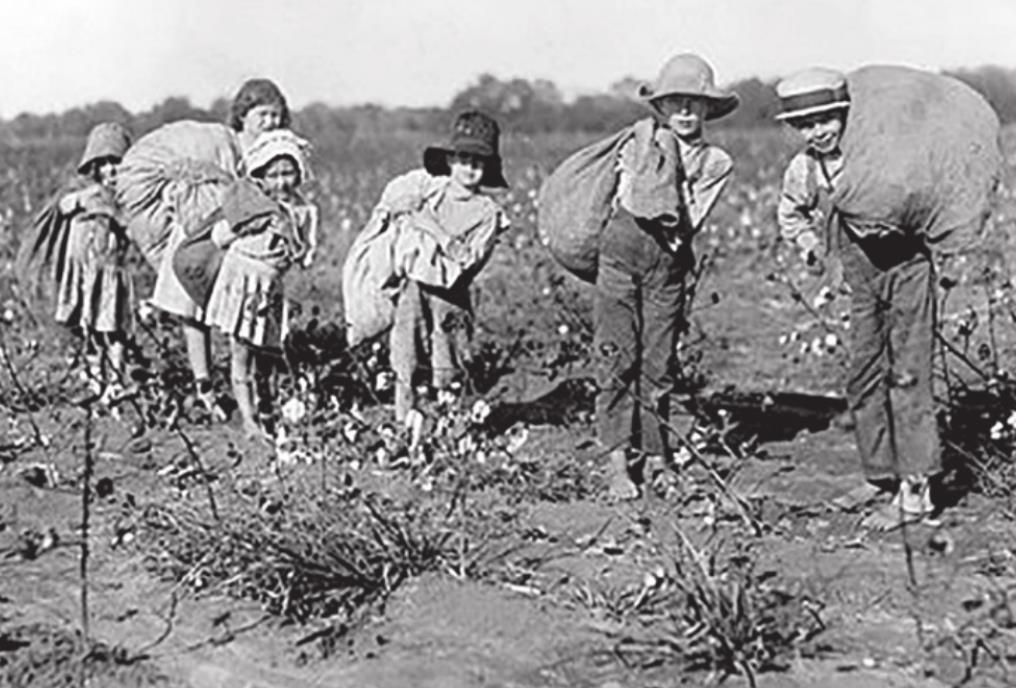
**Billy Owen Costello, son of William O. “Bill” (farmer, mail carrier, car salesman) and Maxine Costello (my 3rd grade school teacher), one afternoon had a “bright idea” of how all of us “kids” in the neighborhood could get rich—by PICKING COTTON! He told us to meet beside the Costello house at 7:00 a. m. the next morning and to be ready to work at our new business!
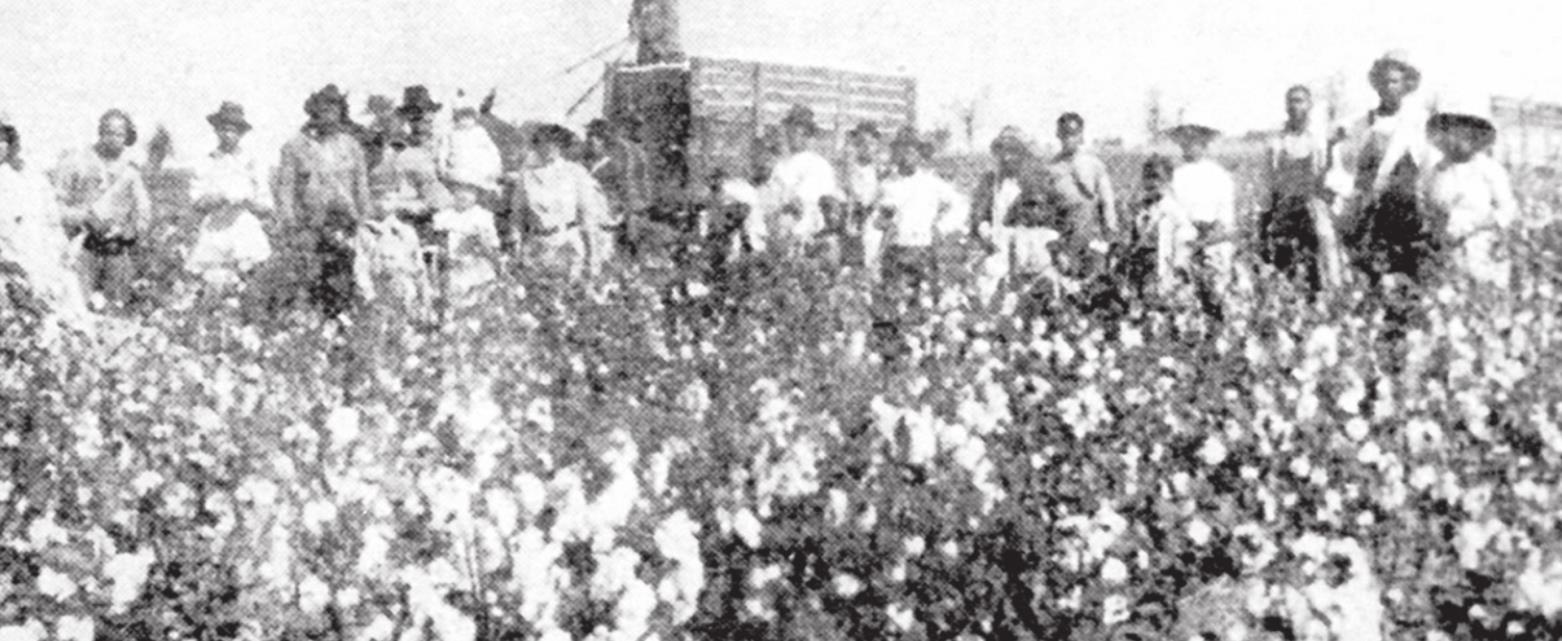
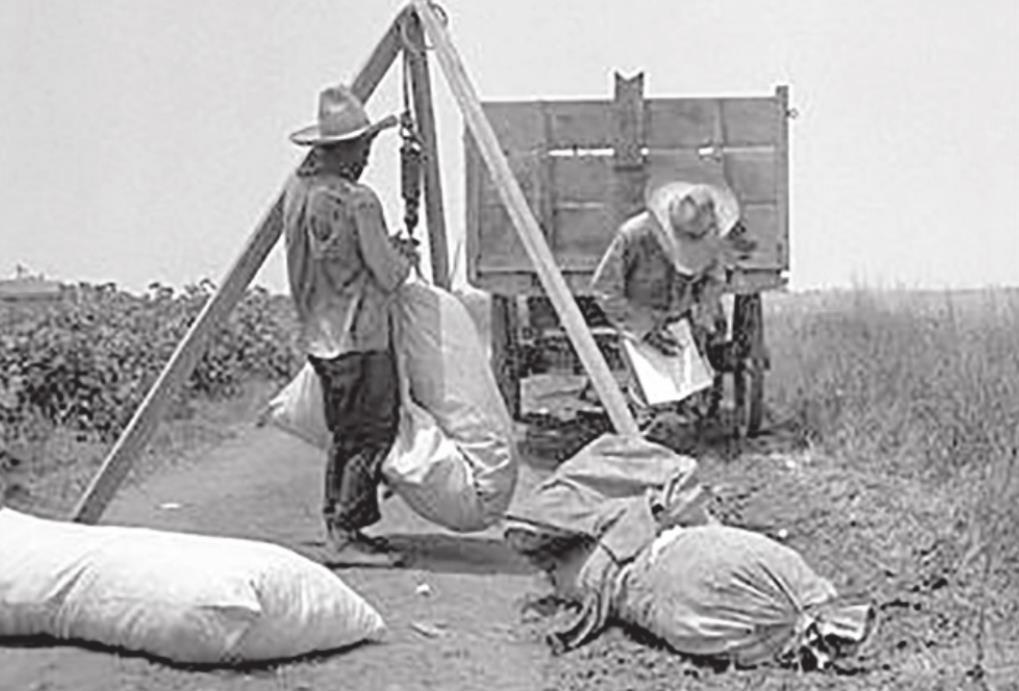
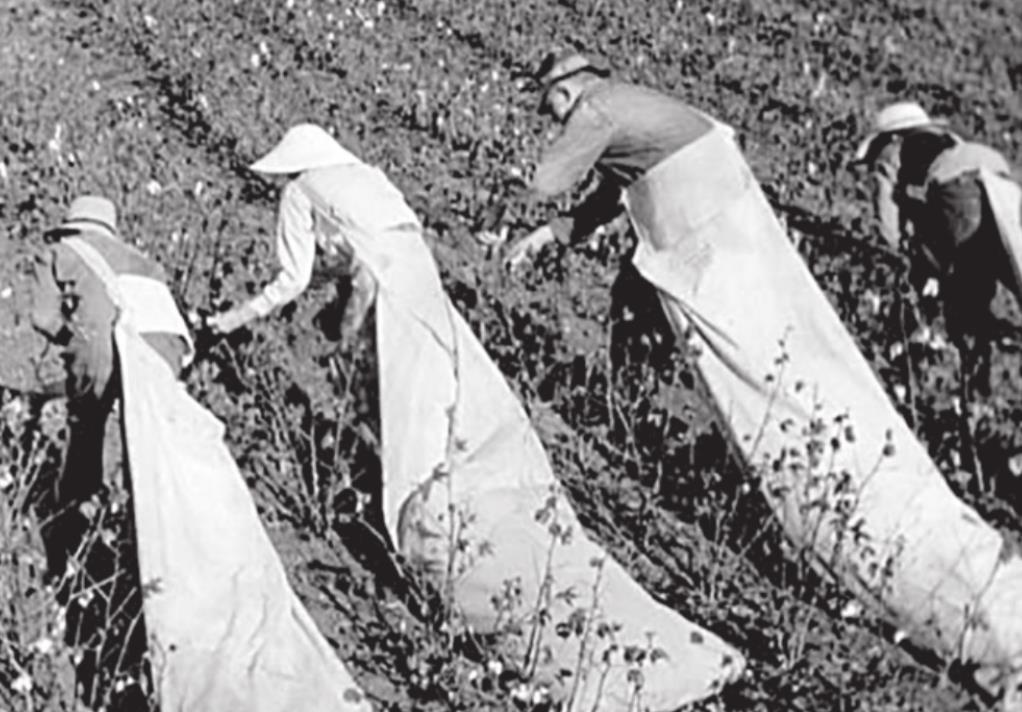
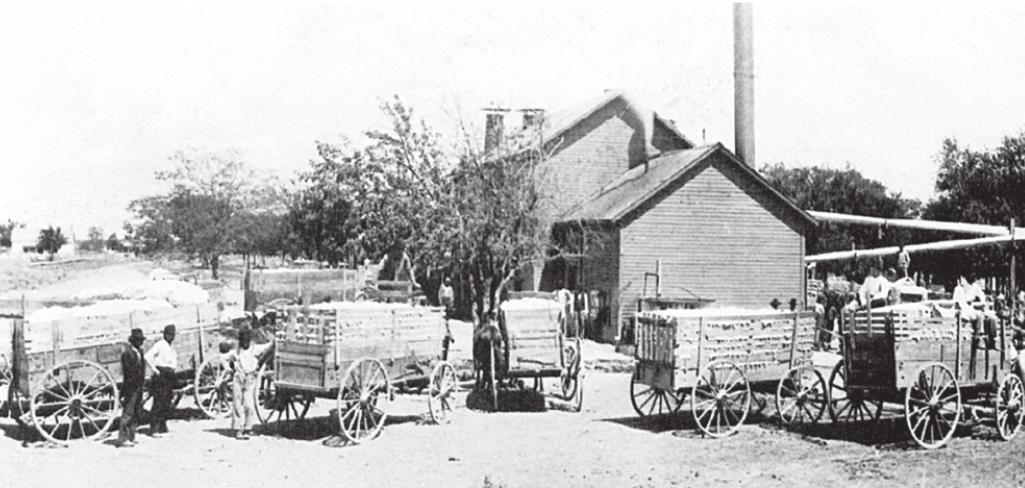
So, about eight or so of us were lined up on Shands Street, which was just a dirt road then, and looking around at a big cotton wagon, a large scale with a giant steel arm and some ropes, several five to eight feet long cloth cotton sacks, and a big galvanized water cooler and galvanized common cups.
There were acres and acres of Guyton McKellar cotton plants as far as we could see to the south, covering the area now housing Johnson Elementary School and Warren Middle School and going on past those to where the Ligon Addition (Melody and Pecan Lanes) now has a multitude of what were once “new houses.”
We “young-uns,” led by Billy Owen and including Pat Adams, David Costello, Don Themer, George Hughes, Tookie Tucker, Howard Penney, and maybe one or two more (memory might be a bit cloudy!), picked up our bags from the “field boss,” whom I did not recognize but seemed old, rough, and tough, and began “PICKING” and “PULLING.” There is a difference between the two, as I later found out!
An old lady, whom Billy Owen and Pat knew, but the rest of us did not, kindly took us “under her wing” and tried to advise us how to work effectively! She must have been there since sunrise, for her bag (one of the long ones) already had a foot or two of “fluff” in the end. She advised us to move over to a less-populated area of the field so that we wouldn’t be in anyone’s way and so that we could “pick” at our own pace—turned out to be good advice.
We picked and picked and just about when I thought we had been there for four or five hours, someone said that it was 10:00 o’clock and that we could stop for water if we wanted to.
I was leery about all of us mightily differing in age and social status and size drinking out of the few cups that were hanging off the “water bucket;” but, I WAS THIRSTY, and the water was cold!
Our five minute break seemed to last about one minute; then we were back at work, and it seemed to already be 100 degrees in the “no shade!”**
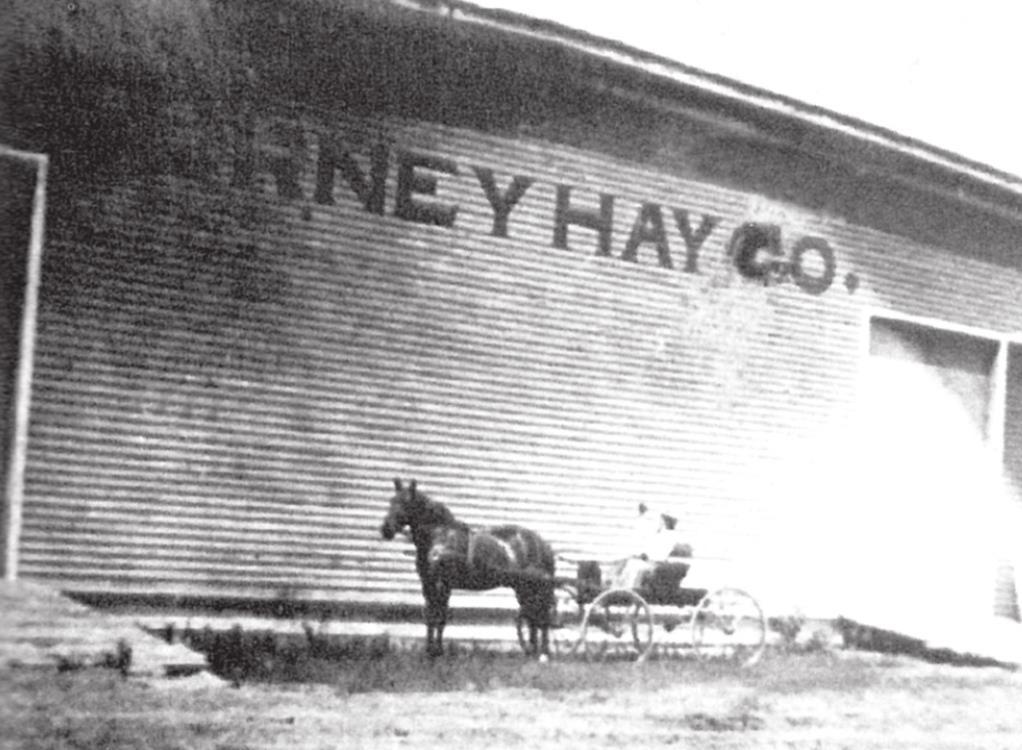
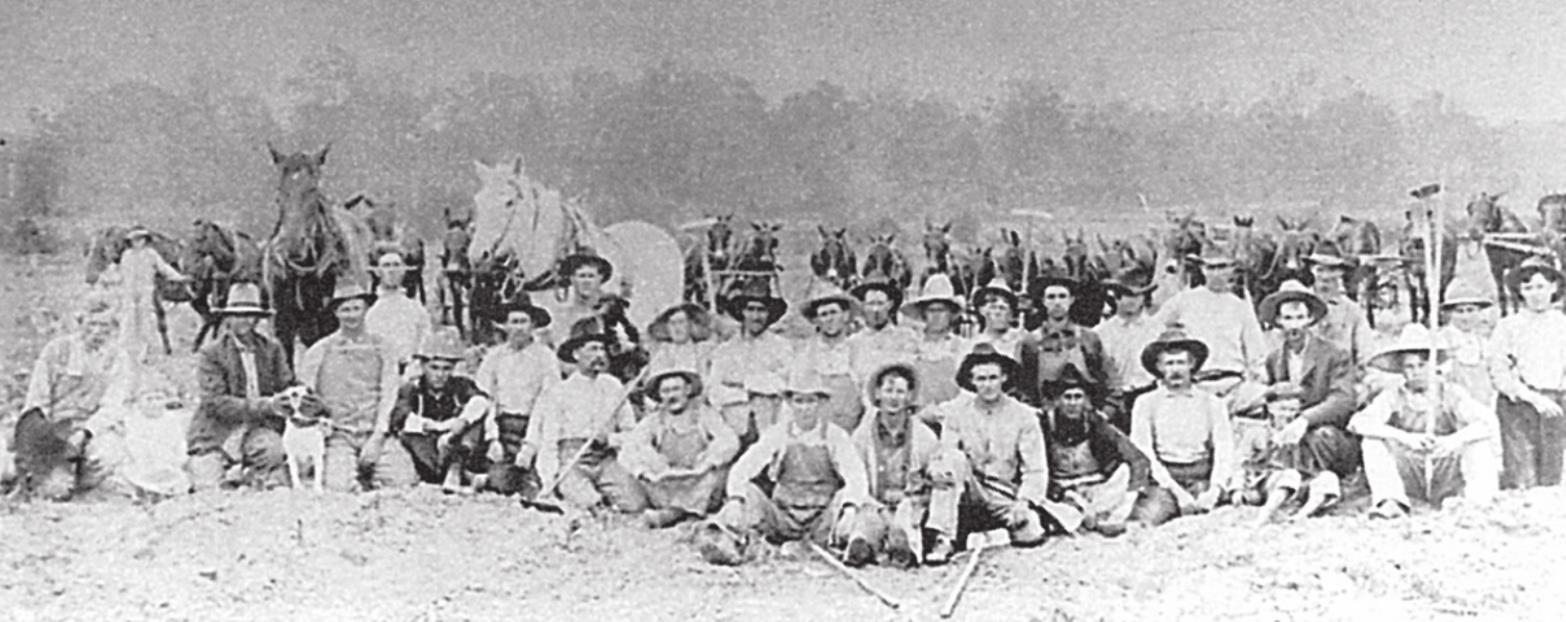
In 1889, Forney shipped out 20,000 tons or more of nice, sweet local hay, and there were fifteen huge hay warehouses by 1901.
By 1912 annual hay production had declined to around 12,000 tons and the number of warehouses to eleven.
In 1925, only one lone hay warehouse remained as the internal combustion engine and the ever-increasing profitability of cotton farming were the undoing of the Forney blackland hay industry.
The Boren Meadow and the Stitzle Meadow in the Talty Neighborhood were two of the final large meadows to be put into cotton cultivation.
When the cotton economy later failed during the Depression, OLD TIMERS looked back nostalgically to the Forney Area’s golden haying days and strongly lamented the “plowing under” of the once great meadows.
Honestly speaking, though, the great “4-LEGGED HAYBURNERS” no longer were the power and transportation for America’s agriculture or even some of the transportation—and times would never return to the old ways!
Already by 1880-1890, though, when more acreage was devoted to hay than to cotton, COTTON was each year becoming a little greater part of the local economy!
Most early settlers did grow cotton, but primarily for their own uses. Commercial production of cotton in our area had been negligible prior to the Railroad’s inroads to more and more regions.
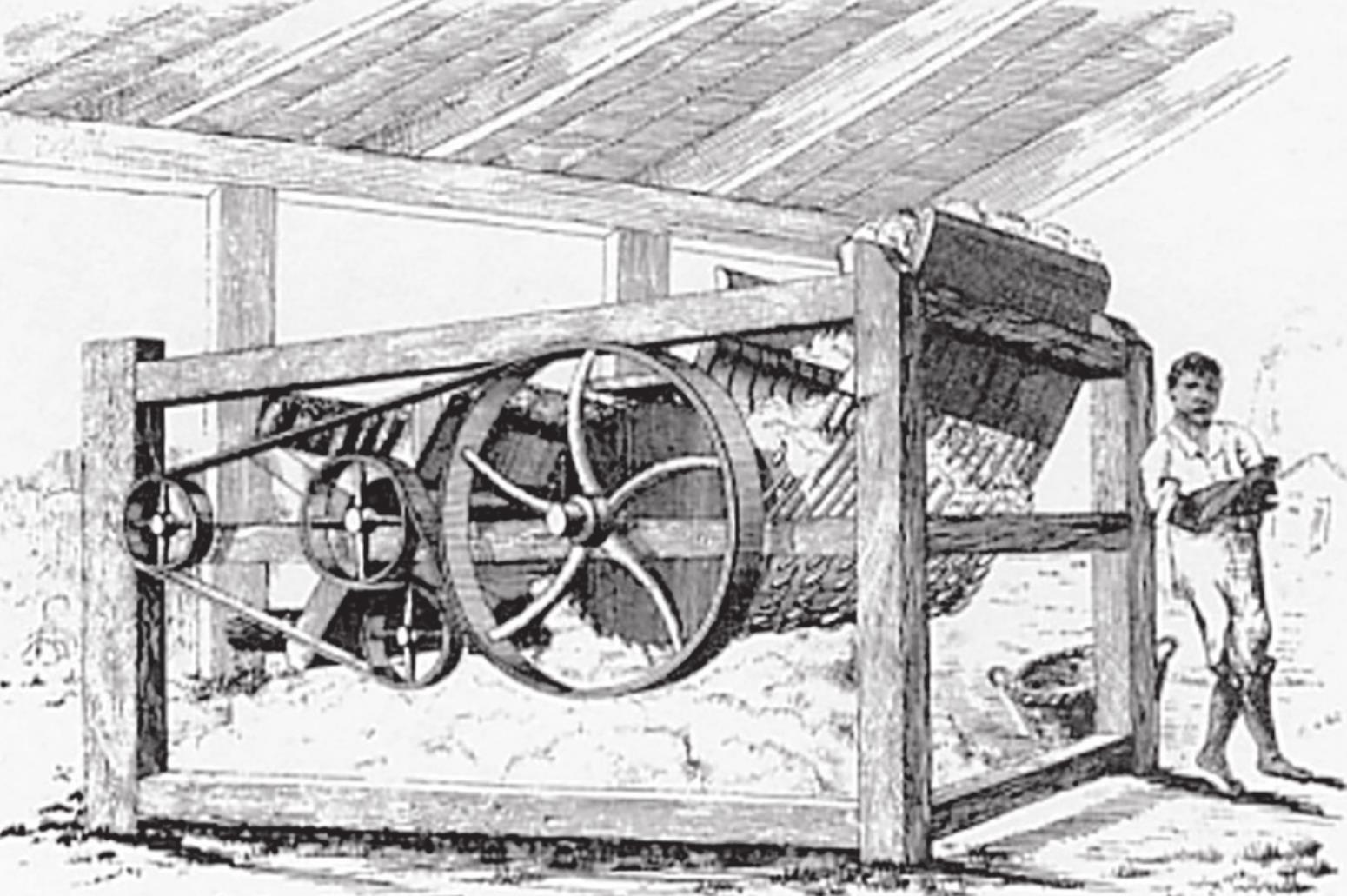
The 1st COMMERCIAL cotton crop in our immediate area was supposedly raised by John M. Lewis a little prior to 1870 and was GINNED at Haught’s Store across the East Fork of the Trinity River in Lawson, which was the nearest gin to Forney at that time.
The 1st Gin in Brooklyn was erected about 1874 by Harry H. Bowles on his farm—just north of town (east side of Pinson Road’s intersection with U. S. 80) and was “horse-powered” and soon sold to John A. Ocheltree.
Ocheltree rapidly moved the apparatus into town a short distance away and located on the N. E. corner of Buffalo and Burgett Streets, a location where John C. McKellar later also operated a gin.
John A. McKellar, too, set up another gin somewhere around 1874, probably on the same site as his already operating grist mill.
Forney’s 1st STEAM-POWERED GIN (most likely) was established by Shands and Company about 1887.
By 1889, G. H. Crawford and Dick C. Kincaid also owned and operated local gins.
ALL STEAM-POWERED GINS had “ponds” (Many Forney folks and other Texans call them “tanks.”) on their land to supply the water that generated the STEAM. However, these ponds were found to have various other uses, such as swimming pools for local children. They also became very popular locations for “Baptisteries” for “Immersing” Denominations, such as Baptists and the “Campbellites.”
KINKCAID’S POND in the center of the block of land, bounded by Bois d’Arc, Aimee, Elm, and Broad Streets, was probably the favorite meeting place for “immersers” in the 1890s.
Unfortunately and sadly, the gin ponds, without lifeguards or even supervision during many times, became the locations of many accidental drownings by children and even some adults, who sought relief from the summer’s heat!
Gins were dangerous places in other ways and for other reasons, too. Miscellaneous accidents were fairly often occurrences, as clothing and/or limbs were entangled in the ginning mechanisms, tearing the clothing, injuring or even jerking off parts of the body, or even pulling workers into the cutters of the gins and causing great injuries or even deaths. At least one Forney child was killed that way, and Dr. E. P. Chambless, a physician of early Forney, lost at least part of his medical career when he lost an arm in the gin of G. H. Crawford.
Another somewhat common accident was the explosion of a gin’s boiler, causing steam and debris to fly into the surroundings of the working plant and possibly causing injuries or deaths. FORTUNATELY, while at least two or more of the early Forney Area gins documented the explosions of boilers, no one was reported as being seriously injured.
Cotton gins also caught fire rather regularly during the ginning season—on a rather expected basis—as the occurrences of bits of metal or rocks in the “raw cotton” shooting off sparks as the results of being struck by machine parts and then igniting the fluffy cotton or accumulated waste lint— not an insignificant problem in those early fire-fighting days of “bucket brigades” as now we see in “old-timey” movies!
It seems that every steam-powered gin of old had had a steam whistle, which could be used as an alarm that would signal for help from the volunteer fire department.
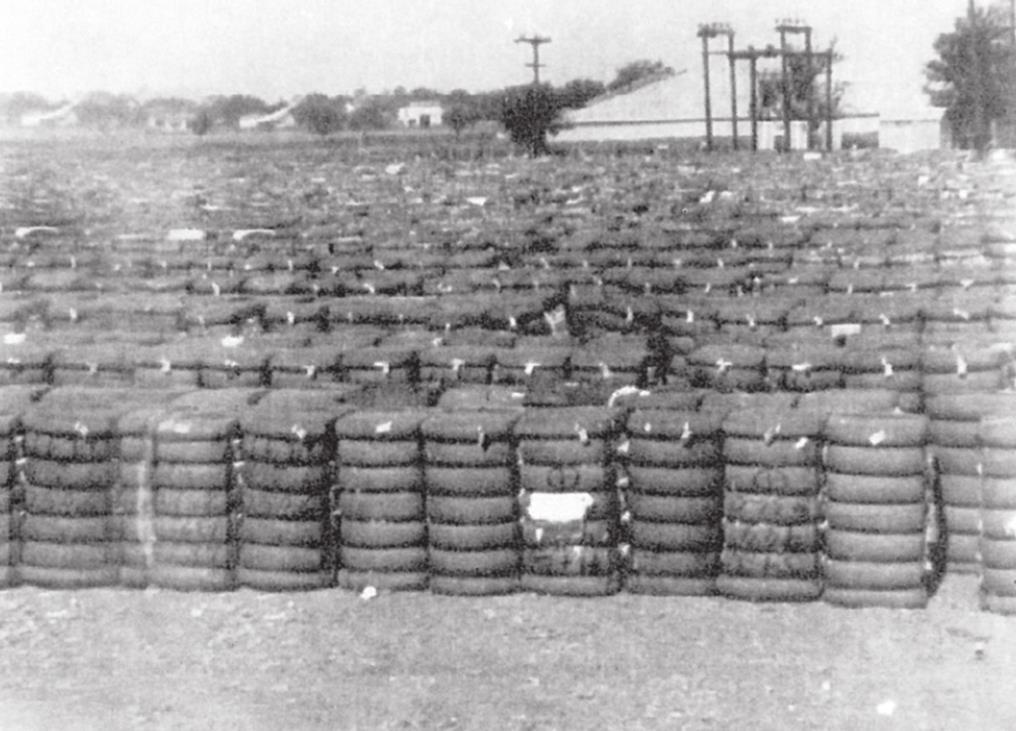
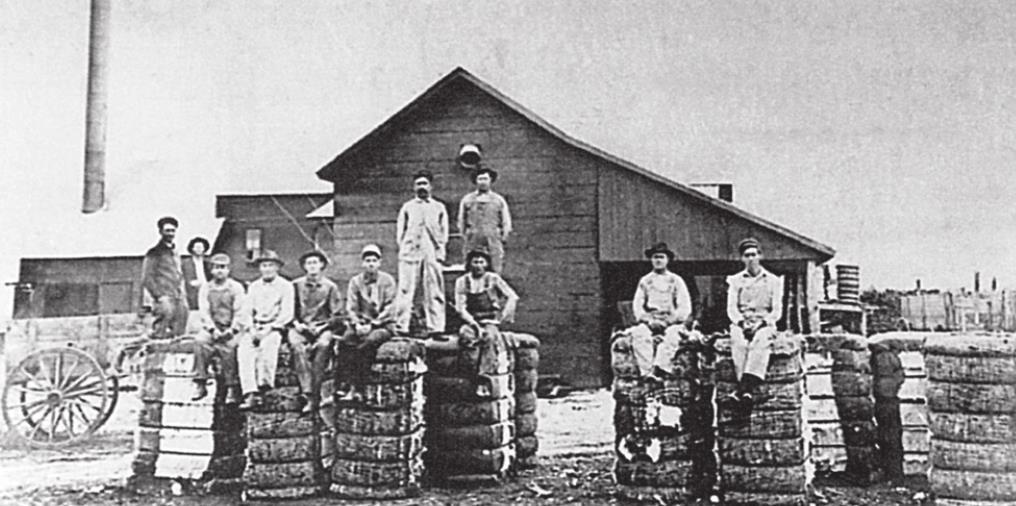
Once cotton was ginned and then baled, the cotton was temporarily stored outdoors in COTTON YARDS at various sites around the main town area until it could be sold and shipped out to manufacturers or transferred to warehouses locally or near other sales sites.
BUT, BEFORE THE COTTON COULD REACH THE FINAL STATE IN THE PREVIOUS PARAGRAPH, IT HAD TO BE PLANTED, CULTIVATED, PICKED (PULLED), AND HARVESTED, as the Forney Area devoted more and more tillable acres to KING COTTON! And, this is where we will begin next week.
- Log in or Subscribe to post comments.