
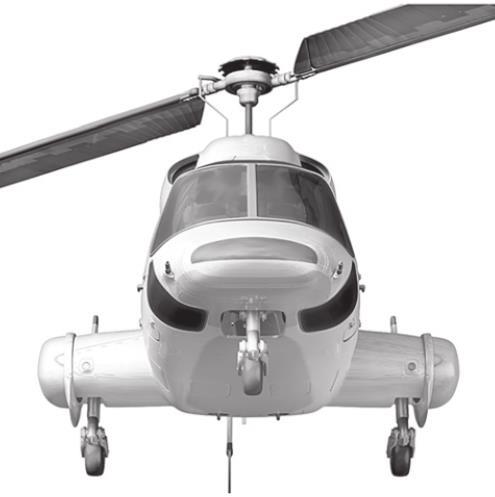
The term “helicopter parent” was first coined in 1969 by teenagers who were quoted in Dr. Haim Ginott’s book “Parents & Teenagers.” Helicopter parent describes an overbearing parent who would “hover over kids like a helicopter.” Nearly 50 years later, the term has persisted, and we even included as a dictionary entry in 2011.
Helicopter parenting, sometimes called “lawnmower parenting” or “bulldoze parenting,” refers to a style of parenting in which parents are overly focused on the lives of their children, taking extreme responsibility for their children’s experiences.
As discovered during the study “Helicopter Parents: Examining the Impact of Highly Involved Parents on Student Engagement and Educational Outcomes,” by Rick Shoup, Robert M. Gonyea, and George D. Kuh, 38 percent of freshmen and 29 percent of seniors in the United States said their parents intervened on their behalf to solve problems either “very often” or “sometimes.”
Helicopter parenting may seem like parents are simply being overprotective, but such an approach might have a serious impact. Many therapists say that parents need to get over being overly involved; otherwise, they risk potential psychological damage to their children.
According to Chris Meno, an Indiana University psychologist, helicopter parenting can take a serious toll on the psychological well-being of children into adulthood. Those who have been overparented may have difficulty knowing when to ask for help versus when to make their own decisions. Being overly focused on their children can be problematic for adults, too - potentially making their lives more about their kids and less about their own lives. This may lead to unnecessary anxiety.
According to Ann Dunnewold, Ph.D., a licensed psychologist and author of “Even June Cleaver Would Forget the Juice Box,” helicopter parenting can start with shadowing a toddler, ensuring a child has a certain teacher in elementary school and providing an unhealthy amount of assistance to youngsters when arranging school schedules or helping with homework.
Adults who are helicopter parents may have good intentions, but they may end up hurting their kids’ decision-making ability and self-esteem. Finding the right balance between offering assistance and hovering can be challenging. Adults can first recognize the following signs of potential helicopter parenting and then take strides to give children more breathing room:
• Paying adult children’s bills or offering extensive financial assistance.
• Doing chores for children that are age-appropriate and fully within kids’ abilities to handle.
• Calling teachers or professors to negotiate grades.
• Texting or calling a child constantly for updates on his or her day.
• Using mobile phone technology or social media to “spy” or keep close tabs on kids’ interactions at all times.
• Failing to let children make their own mistakes, including getting poor grades or missing assignments.
Helicopter parenting may actually lead to a strained relationship between parents and children. A 2015 study published in Social Development found that toddlers who are given space to explore and interact with their surroundings on their own have a better relationship with their parents. The experts say parents should be available for their children, but let the kids take the initiative to seek their parents out.
Altering helicopter parenting behaviors can take time, but it is possible, and kids can benefit greatly from such changes.
- Log in or Subscribe to post comments.