
(Article One) Shortly after the War Between the States had taken its heavy toll on so many, including a family in Brooksville, Mississippi, the story began. Two fine, young sons of Madison Macajah and Nancy Brooks were killed in the war—Samuel at age 23 and Benjamin at age 21.
Only three years earlier, they had lost two lovely daughters, Shadie Ann at 24 and Mary Eliza at age 22.
The family was devastated by the post-war chaos in Mississippi and by their personal losses and tragedies…..
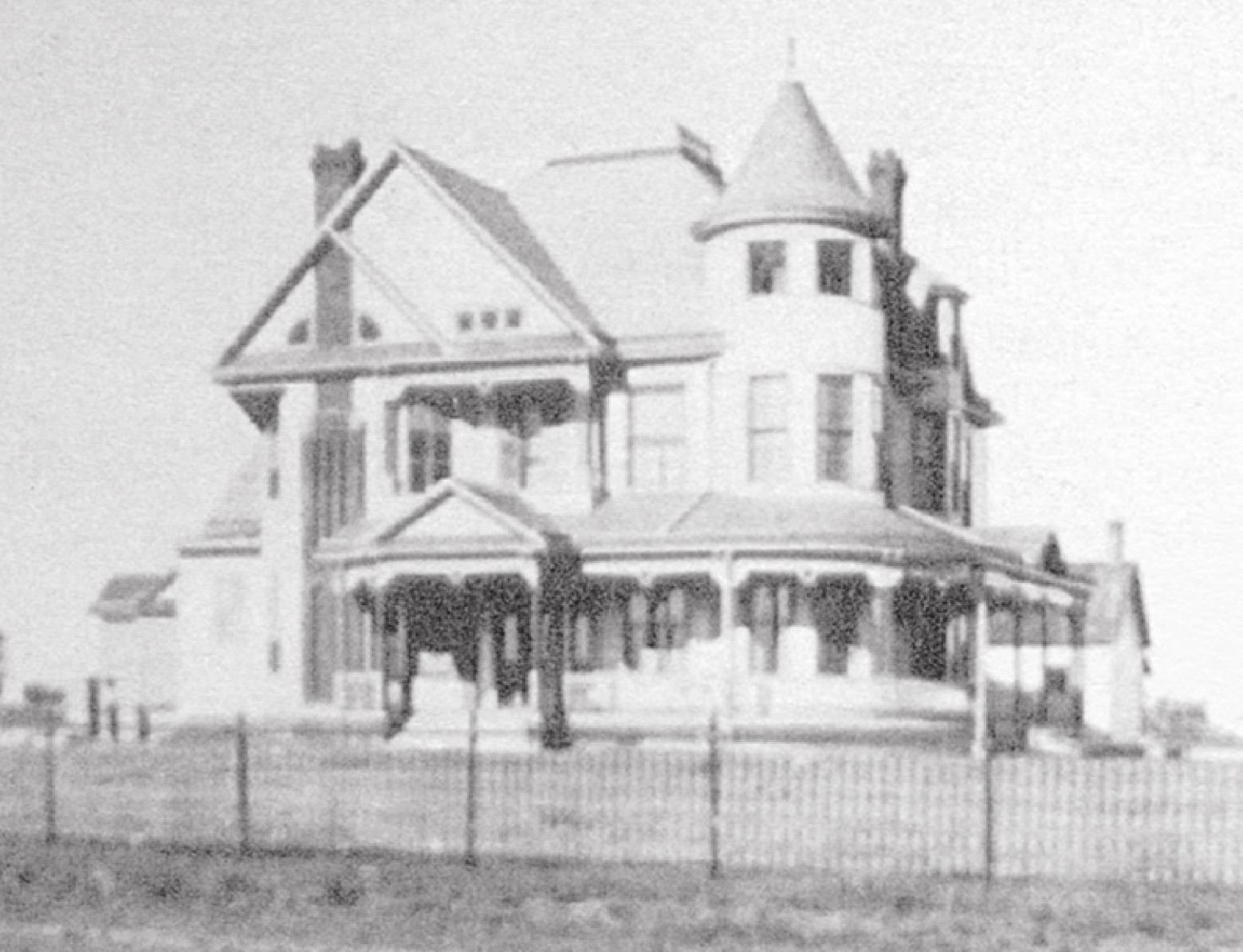
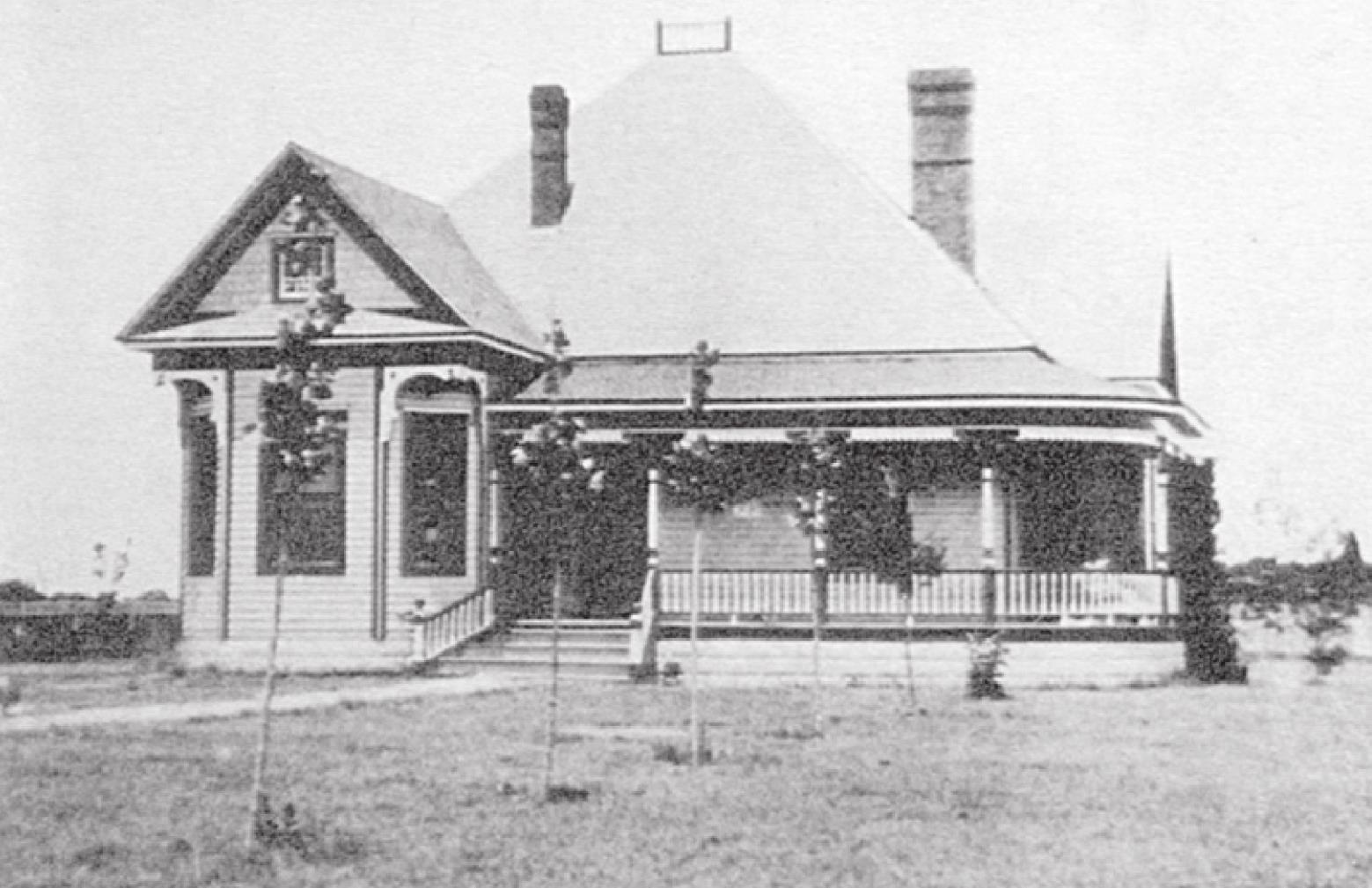
…..THE MADISON MACAJAH & NANCY BROOKS FAMILY: Mr. Brooks sought to re-locate, to begin to live over away from the “plundered” South. He went first to Mexico, but then decided against leaving “his country” and next chose Searcy, Arkansas; however, it still was not what they were seeking, and in the late 1870s the family migrated to the area that was to become FORNEY!
The rich, black land and gentle, rolling terrain reminded him of Mississippi—and here they settled with their children: Charles, James Knox, Petre, Sallie, Macajah Madison, and William Armstead. These were people of purpose and education, and they became outstanding Texans.
Judge M. M. Brooks sat on the Court of Criminal Appeal of the State of Texas and once ran for Governor.
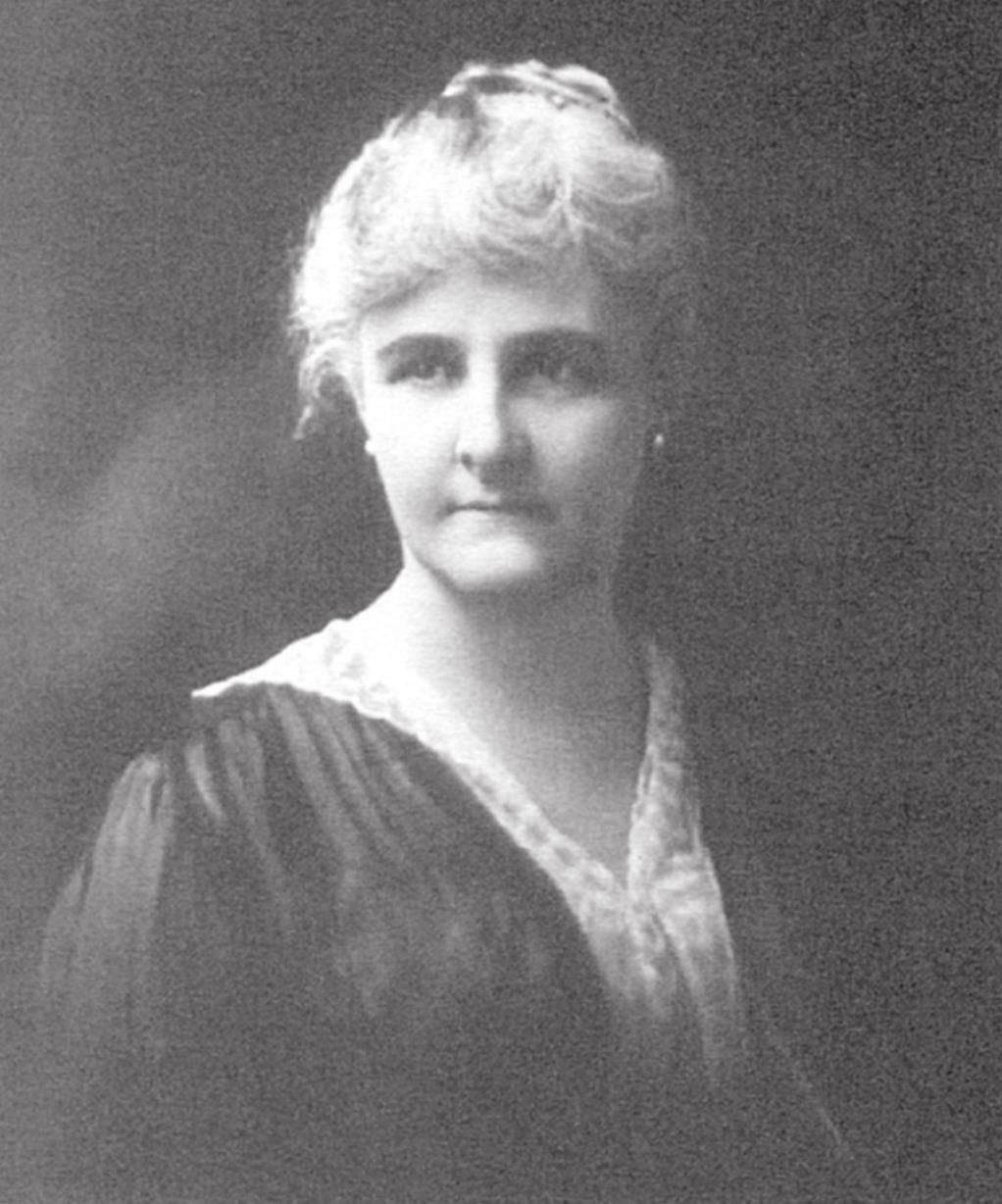
W. A. Brooks was a successful banker and farmer, who was asked to serve on the Federal Reserve Board. He married a beautiful school teacher from Missouri, Blanche Lane, and they had three children: W. A., Jr. (1899-1946), James Knox (1900-1968), and Sue Ellen (becoming Mrs. Gordon West of Wichita Falls).
On December 2, 1978, Mrs. James K. (Birdie) Brooks was buried in Forney’s Hillcrest Cemetery. The Brooks plot was then full! A chapter closed in Kaufman County. A pioneer family passed from the scene.
The beloved land is still held (1978) by surviving family members who reside in distant places. Now, they only have their memories of a gracious Southern way of life, whose embers of the still unforgotten past are stirred afresh.
Sallie, daughter of James and Birdie Brooks, married James Fitzpatrick, and they had three children—Knox, Sally Brooks, and Michael. She supplied this informa tion for the Kaufman County Historical Commission.
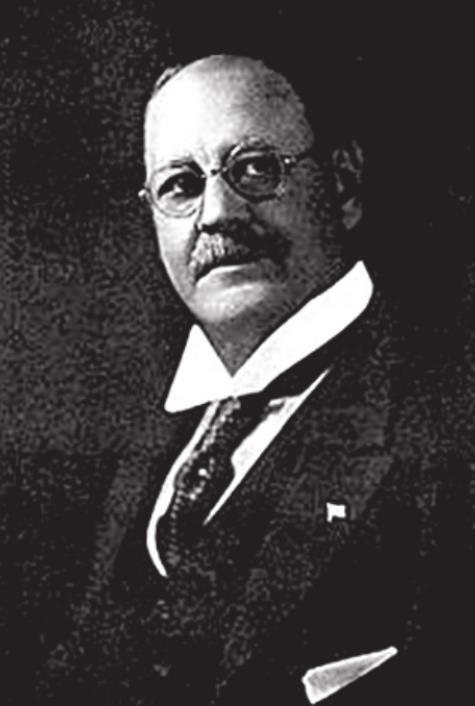
(Article Two) His mother, Hetty Green, was the wealthiest woman in the country during the ‘90s, but she was also known as the “most miserly.” In 1892 she bought the run-down Texas Central Railroad, and on January 27, 1893, her son arrived in Terrell, Texas, to manage it.
**Supposedly, Ned’s mother, Hetty, had refused to pay for medical treatment of a leg injury to her young son and decided to treat it herself, with a devastating conclusion—an amputation was needed to save his life, and he had to use a “cork” prosthetic leg from that time on as he grew to 6’ 4” in height.**
“NED” Green soon put the railroad into excellent physical condition and in very short order had the line he then named The Texas Midland Railroad on a “paying basis.” He located the shops and main office in Terrell and began extending its lines into Greenville, Commerce, and Paris, in the process of which he established the town of Quinlan.
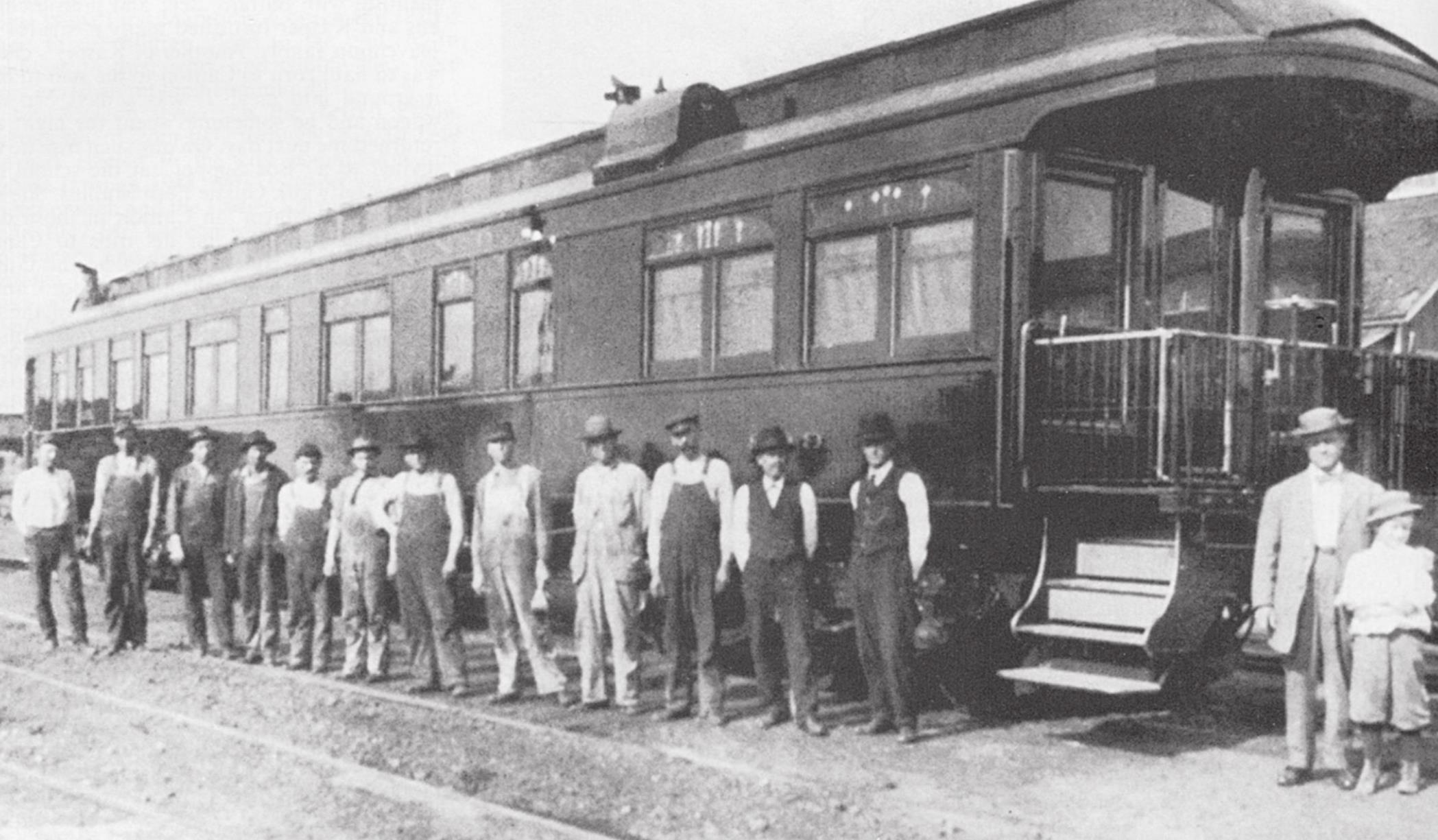
He made up the crack “name” train called the Lone Star Special, which was the first train in the South to have an observation and a sleeping car—and a café lounge!
He also operated the first electric-lighted train in the state of Texas.
Colonel Green’s interests did not stop with the railroad, however, for in 1903, as a result of his interest in scientific farming, experiments were conducted on the Porter Farm, which ultimately led to the formation of the Extension Service of the Department of Agriculture, which was later to have a profound impact upon American farming methods in the years to come.
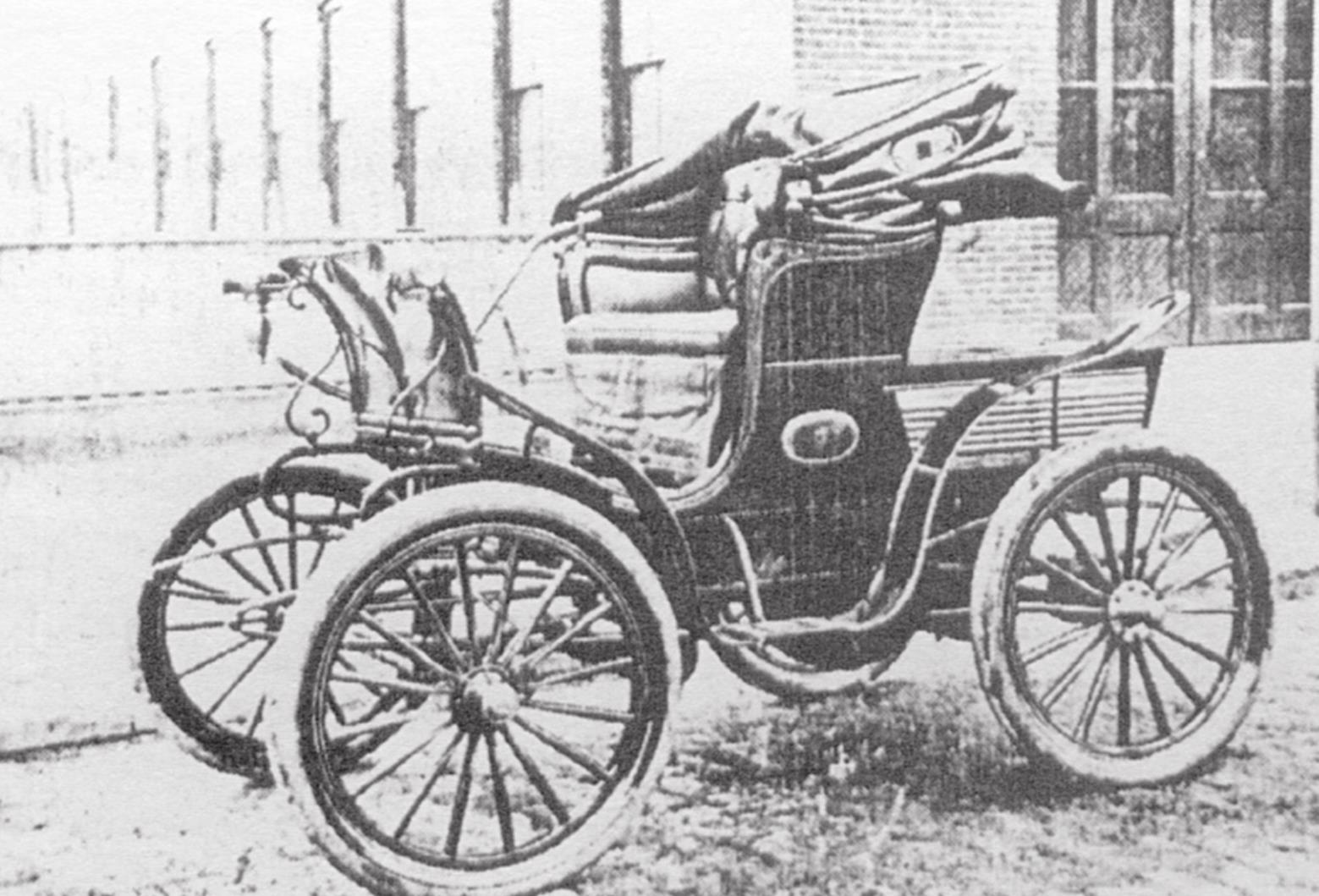
COLONEL EDWARD HOWLAND ROBINSON GREEN also drove the first automobile from Terrell through FORNEY to Dallas, making the trip in 1894 in five hours—but leaving a trail of frightened horses in his wake!
**He brought one of the first automobiles into Texas, a St. Louis Gas Car Surrey, and was reportedly involved in the 1st car accident in the state, when a farm wagon forced him off the marked road and into a ditch in October of 1899. He had been accompanied by the car’s manufacturer, George B. Dorris, and the 30-mile trip took 5 ½ hours. Repairs to the car were made by a local Forney blacksmith. Arriving in Dallas, they were met by a cheering crowd and hailed in area newspapers, becoming a sensation of local citizens!**
As a result of his personal popularity, Green was ap pointed a colonel on the military staff of Governor O. B. Colquitt, a resident of Terrell at that time.
Green’s other interests included politics, and for eight years he was Chairman of the Republican Party of Texas and was a delegate to several Republican National Conventions.
Green often took great interest in theatrical matters and routinely made up special trains to run for outstanding plays.
He was also instrumental in organizing several groups in Terrell, who promoted dramatic and literary activities and in supplying financial backing to several others.
Not satisfied with “behind-the-scenes” involvement, the Colonel also appeared in a number of minstrels and plays, winning recognition as a competent actor and entertainer.
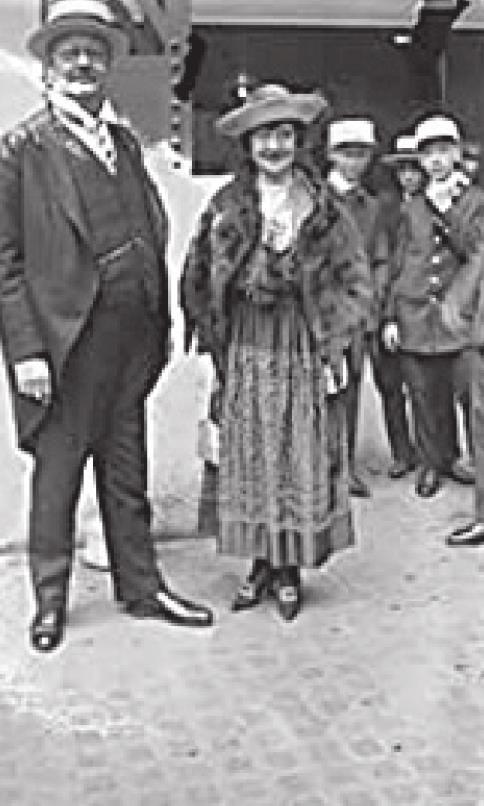
**Colonel Green may be best known for his affair-of-the-heart” with the lady who ultimately became his wife— Mabel E. Harlow—who was a beautiful red-head for whom Green had designed a luxurious private rail car, with her name painted on both sides. Mabel and he lived for a time in his apartment over the old opera house, but moral attitudes of that day would not tolerate such a life-style—and Mabel was scorned out of town (but not the Colonel).
Many years later in 1917 the Colonel and Mabel were married in Chicago.
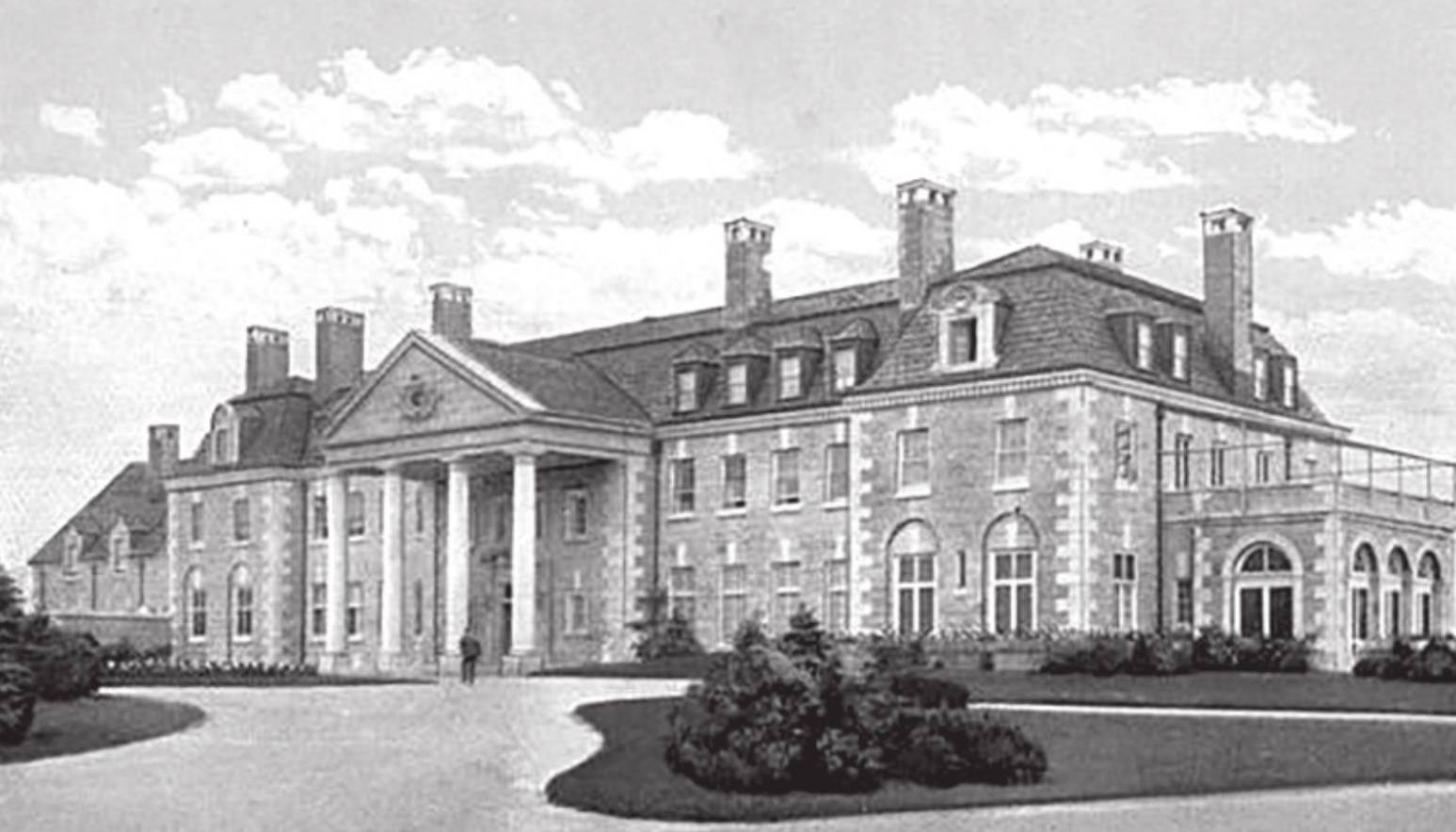
Colonel Green left Terrell in 1911, having by then built a three-story mansion in Dallas about 1909. After that, he took up residences at various times in Florida, Massachusetts, and Illinois.
JUNE 8, 1936, marks the end of this entertaining life and lifestyle of a man who also had an impact upon Forney’s history.
- Log in or Subscribe to post comments.