
We had just returned from a trip to Oklahoma, where there is a “mask recommendation” but not “requirement,” and stopped at the Post Office to see what we had missed. It was not a busy time, but a few people were going into the building—and some chose not to “mask up.” In Oklahoma, the masking request had been pretty uniformly followed in eateries and “close” gathering places, but on the streets and in not dense places, distancing was the most commonly practiced—or so it seemed to me! Regulations for Assisted Living and Nursing Homes were almost like those in Texas, as we found out when we visited my Aunt for her 100th Birthday.
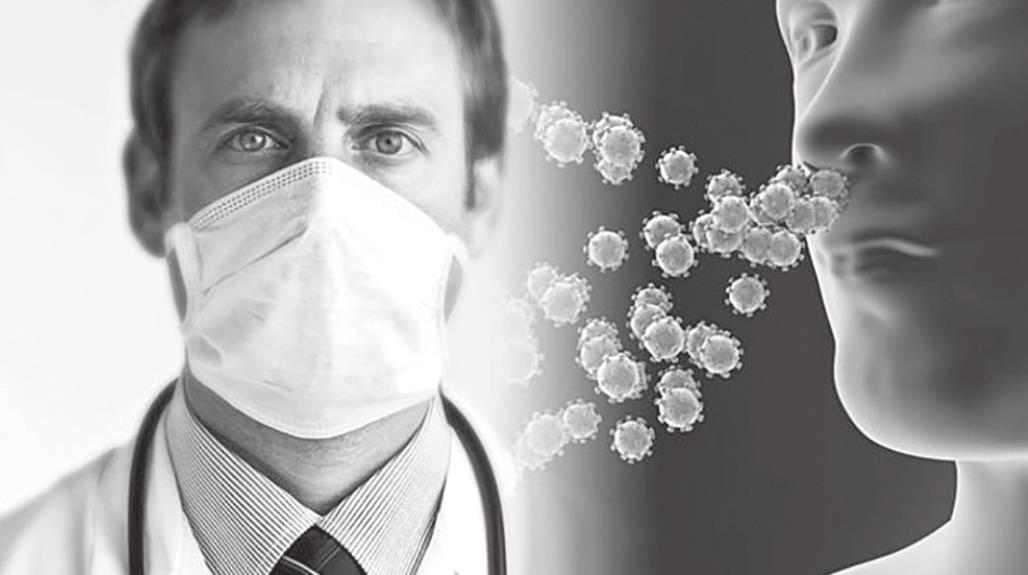
So, WHY WEAR A MASK? Many folks to whom I have talked say that “masks protect them from getting diseases.” They say their masks keep the germs from entering their bodies. Others say that the masks protect other people from the wearers’ germs and thus “protect the other people around the wearers.”
What is the TRUE SCOOP? Does anyone really know?
1. The CDC recommends that people wear facial masks in public settings and when around people who do not live in their households, especially when other social distancing measures are difficult to maintain, because masks MAY HELP PREVENT people who have COVID-19 from spreading the virus to others. This is called source control.
COVID-19 can be spread by people who do not have symptoms and/or do not know that they are infected. This is why it is important for all people to wear masks in social/public settings and to practice social distancing.
COVID-19 is easily spread among people, especially the more closely they interact and the longer the interaction continues.
It appears possible that the virus can be spread by touching a surface or object that has the virus on it and then touching your own mouth, nose, or eyes areas.
2. And so now, ANOTHER REASON FOR WEARING A COVID-19 MASK—Various studies seem to show that if you are accidentally exposed even though wearing a mask, the face covering can still reduce the risk of becoming seriously sick from COVID-19, according to a Dr. Monica Ghandi and a Dr. George Rutherford, infectious disease specialists at U. C. San Francisco.
Studies show that masks may not filter out all liquid/ viruses of droplets, but the viruses that do get through are at a lower dosage than for someone without any mask at all! This may then influence just how sick persons may become, depending upon just how well their immune systems can “knock out” a smaller number of virus particles before they multiply.
Various studies concerning the above ideas have been being conducted since the 1930s, and indications are that the suppositions about “DUAL PROTECTIONS” from masks are probably true!
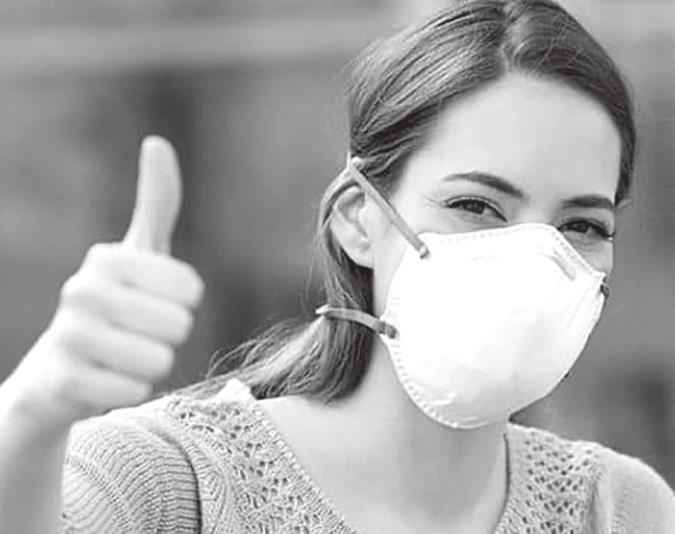
Therefore, “why you wear a mask” is probably not nearly as important as is the fact that “you just wear one!” It appears that it certainly cannot hurt the average person—and really may help!
P. S. Remember that Don Themer is not a doctor— just a reader, listener, discusser, and writer! And yes, so far, I have tried to “practice what I preach.”
- Log in or Subscribe to post comments.