
At the onset of the CO‑VID 19 pandemic, many homeowners suddenly found themselves in need of more usable square footage in their homes. Required to work from home due to so‑cial distancing recommen‑dations, millions of work‑ing professionals suddenly found themselves setting up shop at kitchen tables or is‑lands, in alcoves, garages, or even walk-in closets. Those makeshift offices were never supposed to be permanent, but as companies loosen workplace policies and em‑brace full remote or hybrid working arrangements, pro‑fessionals are seeking more permanent home office solu‑tions.
Home additions are a pos‑sibility for homeowners who need more usable square footage, but add-ons may not be the right option for every‑one. If adding on won’t work, homeowners may want to look up ... at their attics.
Attics with ample space can make for ideal home of‑fices, as they’re away from the hustle and bustle of a home’s main floor. That can make it easier to concentrate when everyone is in the house and reduce the likeli‑hood that video calls with colleagues and clients will be interrupted by kids and pets.
Attic conversions are not always possible, and the fol‑lowing are three important factors homeowners may need to consider before they can go forward with such projects.
1. Dimensions: Both the renovation experts at This Old House and the real es‑tate experts at UpNest in‑dicate that at least half of a finished attic must be a minimum of seven feet high and seven feet wide and 70 square feet. Requirements may differ depending on where homeowners live, but that 7-7-70 guideline is generally the minimum re‑quirement. An attic that fails to meet such requirements won’t necessarily be a lost cause, but it might be costly to make adjustments that ultimately align with local codes.
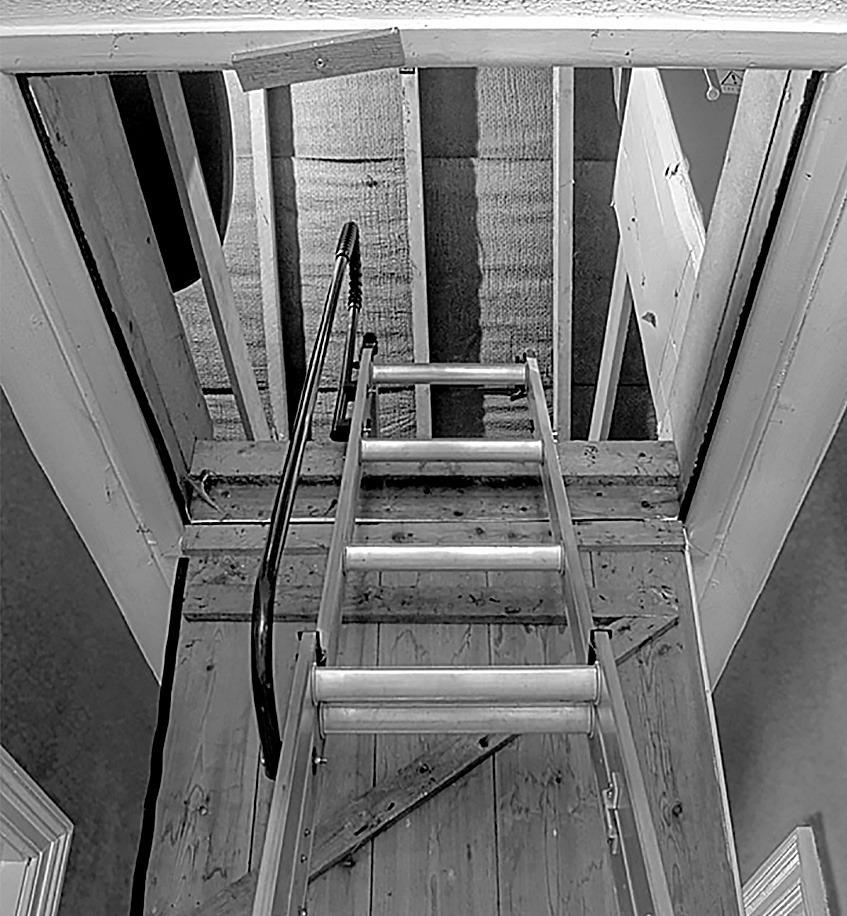
2. Access: Access is anoth‑er aspect that must adhere to local safety guidelines. Many attics are accessible only through pulldown lad‑ders, but that will have to change if homeowners re‑purpose their attic spaces. A staircase that complies with local laws will need to be installed, and contractors can work with homeowners to build that and estimate the cost. Homeowners who simply want to put desks in their attics without going with full-fledged conversions are urged to adhere to local access requirements any‑way, as they’re intended to ensure residents can safely escape attics in the case of a fire or another emergency.
3. Climate control: Attics are converted to provide residents with more livable space. Converted space is only livable if the climate within the attic can be con‑trolled so it’s cool in the summer and warm in the winter. An existing HVAC unit needs to efficiently heat and cool an extra room. If it can’t, bills might spike be‑cause the rest of the home likely won’t be as comfort‑able, forcing homeowners to adjust thermostats to offset that discomfort. That also could affect the unit’s life expectancy. Before going forward with an attic reno‑vation, homeowners should contact HVAC professionals to determine if attic spaces can be serviced with the ex‑isting units and ductwork, or if an alternative arrange‑ment must be worked out to make the spaces livable.
Attic conversions can be great ways to make existing spaces more livable. Home‑owners considering such projects should pay attention to three important variables as they try to determine if at‑tic conversions will work for them.
- Log in or Subscribe to post comments.