
I have always enjoyed eating pork; fried, cooked in roasts with veggies, barbecued, sausage, cured bacon and ham, it really doesn’t matter. I love pork, wild or otherwise! I honestly prefer quality pork cooked right over any other meat. As a youngster growing up on a small farm in northeast Texas, we always butchered a couple of hogs each winter, and occasionally someone would shoot a feral hog which always wound up on the pit, exposed to long hours smoking over hickory wood. I’m positive my dad would be in ‘hog heaven’ today if he knew all he had to do was take a walk in the woods with his trusty old 30-30 and collect all the wild pork he needed. Back in the fifties and sixties, he would raise six or eight hogs per year. A couple provided winter meat for the family, and the remainder were sold as a cash crop. Hogs were a valuable commodity, and most farmers had a ‘hog pen’ out behind the barn.
Fast forward to the eighties when the wild hog boon occurred over much of the south and southwest, the epicenter being Texas. Wild pork was suddenly plentiful and many of us that were raised in an era where pork was king were quick to keep our freezers stocked from the wild. Oh, the meat wasn’t as fat as the domestic hogs we were used to, but it was tasty. And we quickly learned how to transform wild pork into tasty main courses for our meals. At first, sportsmen were overjoyed at the ‘new’ big game animal they had to hunt. Leases with wild hogs were at a premium. I remember taking over a hunting lease up in Jack County that was excellent for deer, quail, and turkey hunting but no hogs. The previous lease manager gave up this prime hunting spot for another that offered hog hunting. Truth be known, many hunters stocked their hunting areas back then with trapped wild hogs. Today, that would be considered idiocy and a bit illegal, but back then it was a common practice. This helped greatly to disperse the wild hogs widespread across the state.
I interviewed a couple of wild hog buyers in preparation for this article, and the truth is, regardless of the great number of wild hogs roaming the woods and fields right now, wild pork is at a premium. Trapping gets a bit tough this time each year, probably because this is a prime month for sows to birth baby pigs and the sounders (herds of hogs) disperse as mother hogs seek seclusion to give birth. Hunting ranches depend heavily on hog trappers to keep their ranches stocked, and the ones I visited with are scrambling to locate replacement hogs for the ones taken by hunters.
Wild hogs generally bring between thirty and fifty cents per pound. Heavier hogs are priced a bit higher because they provide larger cuts of meat that ultimately wind up as pork chops on the dinner plate at a fancy restaurant, demanding top price. Large boars are also highly sought by hunting preserves as trophy animals. When I did the math, I discovered there is probably almost as much profit in trapping and selling wild hogs as raising domestic porkers. About 75 cents per pound is the going price for pen-raised hogs, and given the cost incurred in labor and feeding them, it’s easy to see how selling a wild pig for thirty to fifty cents per pound is a pretty attractive proposition compared with the cost and expense of raising a domestic pig to market size. It’s a safe bet to say that nobody dealing with hogs, wild or domestic, is making a great deal of money at current prices. While there is obviously no feed or rearing pens involved with trapping and selling wild hogs, fuel, traps, and corn for bait are factors the trapper has to recon with.
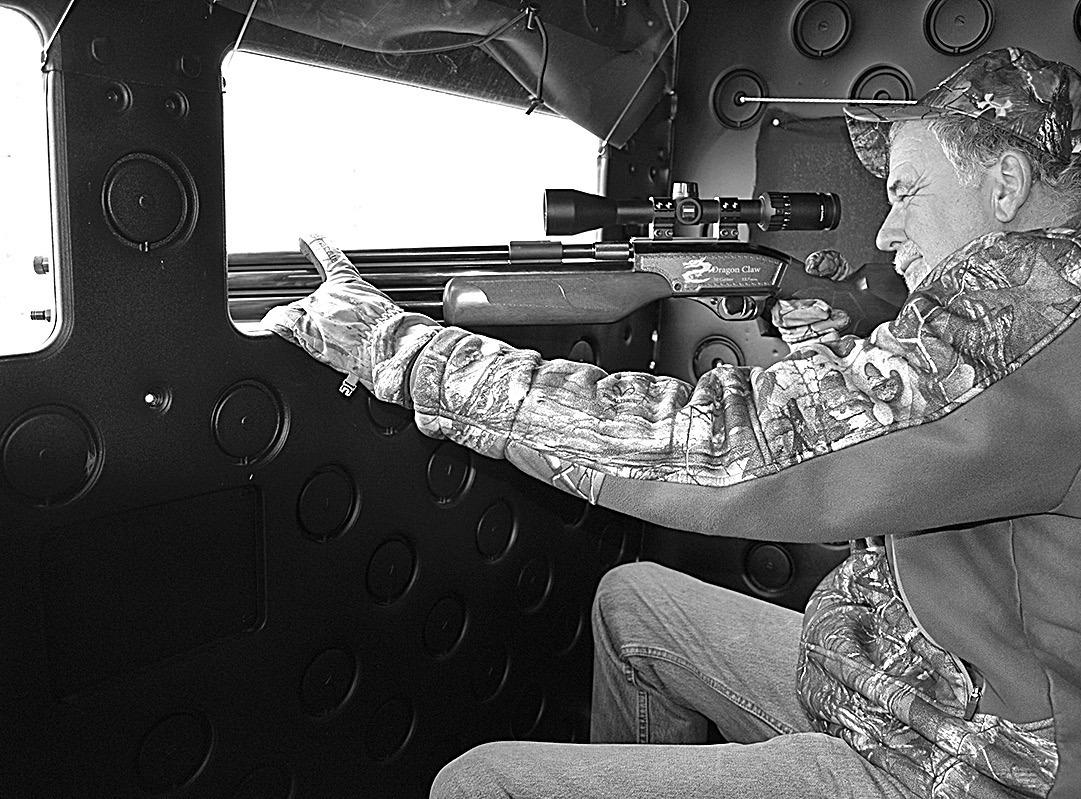
We hunters like to think we are ‘ridding the land’ of wild porkers, and we do take a lot of hogs each year, especially hunters using AR style rifles with thermal scopes at night. But hunting alone will never keep up with the task of removing the sixty or so percent of wild hogs each year necessary to keep numbers at current level. Trapping is by far the most effective method of removing hogs. A good trapper with a cell phone activated gate can watch traps carefully and very often trap and entire sounder of hogs.
If the price of groceries keeps skyrocketing, all these wild pork chops roaming the wilds might become more appealing to non-game eaters! These days, we can buy a whole chicken for about the price of a dozen Grade A Large eggs. Here’s a Dutch Kettle Recipe that will put that chicken to good use!
DUTCH KETTLE CHICKEN
This recipe can also be cooked in a heavy pot in the oven, but it tastes way better when cooked outside in a Dutch kettle using campfire coals for fuel.
LET’S GET COOKIN’ First, melt a stick of butter in the cast iron kettle. Take 3 rows of Ritz Crackers and smash them into cracker meal. Season chicken thoroughly with salt and pepper and dredge in the butter. Now coat the bird thoroughly with the cracker meal making sure to add a bit more black pepper. Sprinkle the extra cracker meal over the chicken, cover, and place coals below and on top of the Dutch Kettle or put in oven heated to 350 degrees. Bake about 50 minutes then check for doneness. Serve with the extra cracker meal as a topping. You can also substitute Cornish hens for the whole chicken.
Remember our late winter Outdoor Rendezvous in Greenville, Texas on 15 tree-covered acres at the Top Rail Cowboy church. Live music, campfires, chuck wagon cooking, free booth space. Come and join us for a day of fun. For more information or to reserve a booth, contact Luke Clayton at 214-435-1816 or pastor Charlie Nassar at the church at 903-217- 3778.
- Log in or Subscribe to post comments.